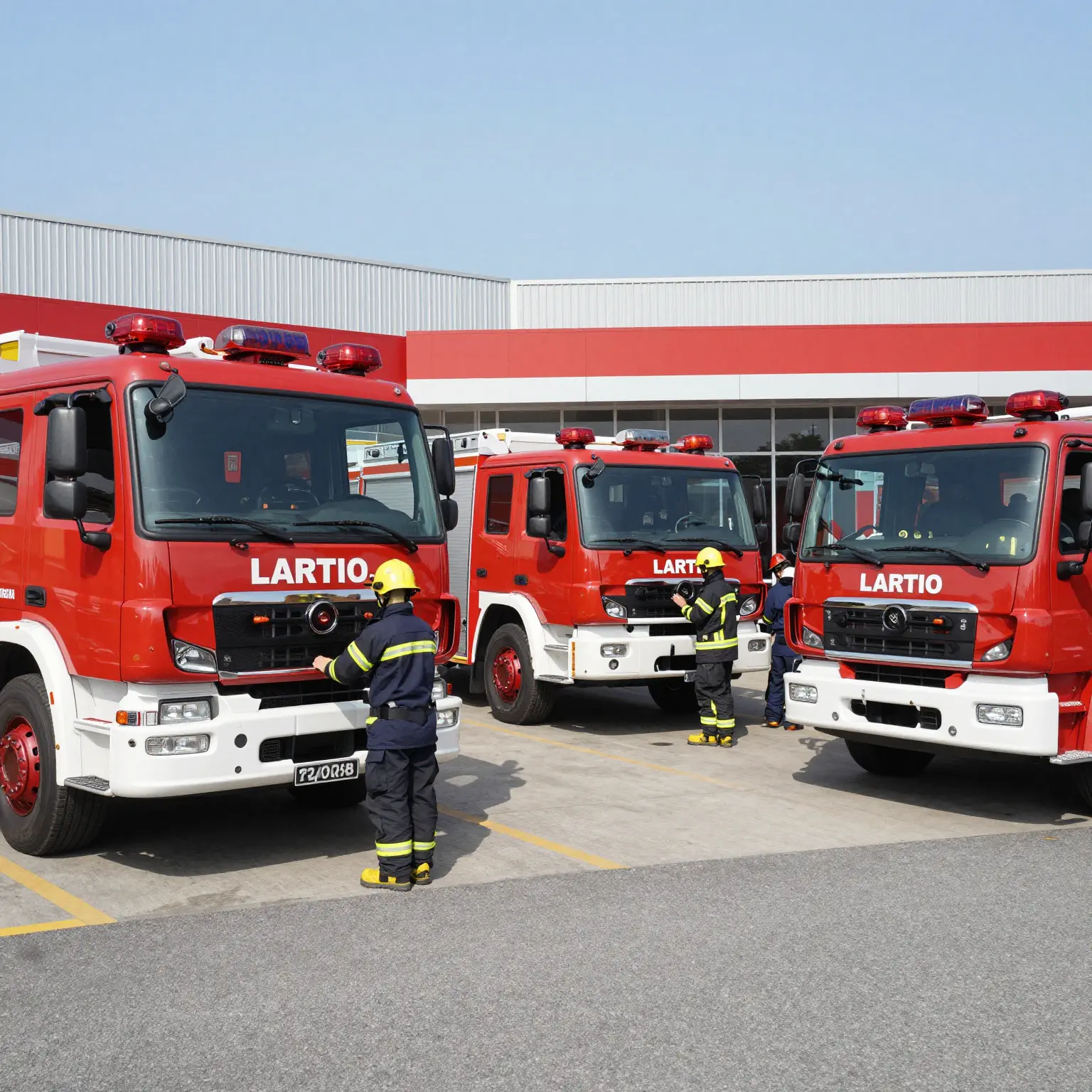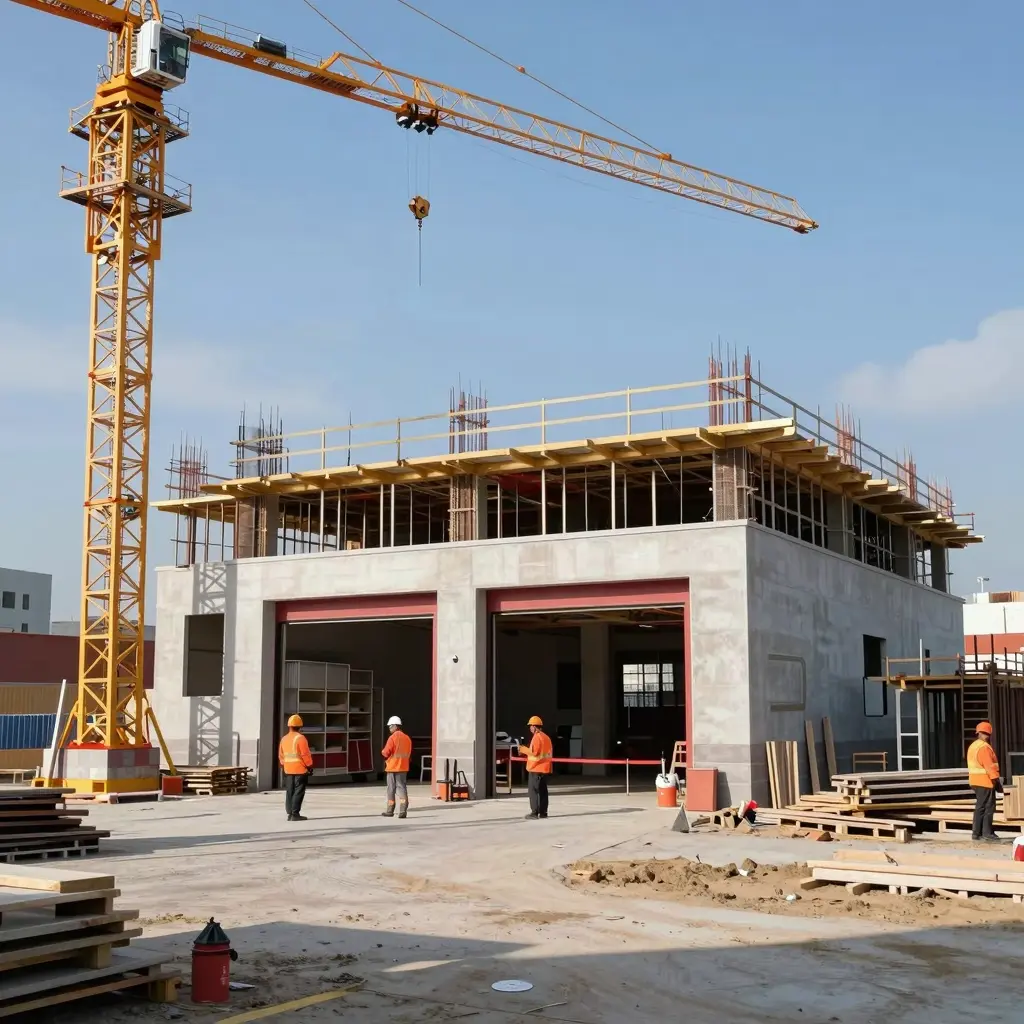
Fire stations serve as the backbone of community safety, acting as the first line of defense against emergencies and disasters. Their presence not only protects lives and property but also fosters a sense of security among residents. However, the construction of these critical facilities involves understanding and managing complex costs that can impact local budgets and resources. By grasping the financial aspects of fire station construction, business owners can better engage with community development initiatives and advocate for necessary funding and support. Since 1992, Zoomlion has paved the way in the construction industry, providing innovative solutions and high-quality machinery that enhance the building of essential infrastructures like fire stations. As a leader in this field, Zoomlion’s expertise can be invaluable for business owners looking to navigate the intricacies of construction costs effectively. For more insights into the evolution of fire truck dealers and the essential equipment needed by fire departments, learn more about the evolution of fire truck dealers and explore the equipment list that ensures effective fire rescue.
Factors Influencing Construction Costs
When considering the construction of a fire station, business owners must navigate a complex landscape of factors that significantly influence the overall costs. Construction expenses extend beyond basic materials and labor; they encompass a variety of elements that can dramatically impact the final budget.
Key Factors to Consider:
- Location: The geographic area can dictate labor costs, material availability, and compliance with local building codes.
- Design Complexity: Customized features, such as specialized training facilities or equipment storage, can increase expenses.
- Materials: The choice between high-quality versus standard materials affects both cost and longevity.
- Labor Market: Availability and wage levels of skilled tradespeople can lead to variations in construction costs.
- Regulatory Compliance: Adhering to fire safety regulations and building codes can incur additional expenses, influencing the overall budget.
Understanding these factors allows business owners to make informed decisions and effectively plan for the financial aspects of fire station construction. For additional insights on fire department funding, read more about financial benefits of fire department consolidation or explore the complexities of fire district vs. fire department structures.
Key Factors Influencing Construction Costs
Understanding the major factors that influence construction costs is essential for business owners involved in fire station construction. Here’s a brief overview of these factors:
-
Material Costs: The prices of materials like concrete, steel, and lumber greatly affect the overall project budget. Fluctuations can arise from supply shortages or market demand, making timely purchasing decisions crucial.
-
Labor Costs: Skilled labor shortages in specific regions can lead to increased labor costs. Additionally, wage rates can differ significantly depending on local market conditions and union contracts, impacting the total expenditure on the project.
-
Regulatory Environment: Local building codes and zoning laws impose specific requirements that can affect costs. Compliance often necessitates additional expenses for permits and inspections, which can prolong timelines and increase budgets.
-
Economic Climate: Overall economic conditions, including inflation rates and interest rates, play a significant role in construction costs. A robust economy may lead to heightened demand for construction, driving prices upward.
-
Technology: The integration of advanced construction technologies can enhance efficiency but may also introduce higher initial costs. The long-term benefits often outweigh these costs but must be evaluated carefully.
For more insights about fire department funding and how it can influence construction projects, you might find this article helpful.
Overview of Fire Station Construction Costs
The costs associated with building fire stations can vary widely based on several factors including location, size, and local regulations. Recent insights suggest the following:
- Cost Range: Construction costs for fire stations typically range from approximately $1 million for smaller, basic facilities to over $10 million for larger, fully-equipped stations.
- Key Influencing Factors:
- Location: Urban areas often see higher costs due to land prices and stricter building codes compared to rural regions.
- Size and Design: The complexity of the station’s design greatly affects costs. Stations with advanced facilities and technology, such as training spaces and high-tech systems, are more expensive.
- Land Acquisition: The prices of the land where the station will be constructed also significantly impacts the total cost.
- Building Materials: The choice of materials can alter costs, with environmentally sustainable options typically being more expensive upfront.
Trends in Fire Station Construction
-
Increased Costs: Over the years, there has been a noticeable increase in construction costs, reflective of broader trends in the construction industry influenced by economic factors such as inflation and increased demand for construction materials.
-
Focus on Sustainability: A growing trend in new fire station constructions is the focus on sustainability and energy efficiency. Many new designs include green building features that, while more expensive initially, can lead to significant savings in operational costs over time.
-
Community Engagement: More fire departments are engaging with community stakeholders during the planning process. This can help ensure that the facilities meet community needs but may also influence costs based on the feedback received.
-
Technology Integration: The inclusion of modern technology such as smart building systems and advanced communication technologies has also influenced construction costs, although these investments are aimed at improving efficiency and response times.
Conclusion
For business owners and municipal planners, understanding the construction costs associated with building fire stations is crucial. Being informed about cost fluctuations, potential design trends, and community needs can aid significantly in budgeting and planning decisions. For further insights on funding and managing fire department resources, you may learn more about fire department funding and business resilience.
In summary, staying updated on construction trends and potential costs is vital for effective planning and development in public safety infrastructure.
| Region/State | Average Construction Cost (per square foot) | Major Contributors | Key Considerations |
|---|---|---|---|
| Northeastern USA | $300 – $600 | Labor costs, local regulations | High urban costs, stringent building codes |
| Southeastern USA | $200 – $400 | Material costs, local government funds | Potential for lower labor costs in rural areas |
| Midwestern USA | $250 – $450 | Material availability, labor | Varies greatly between urban and rural environments |
| Western USA | $350 – $700 | High land prices, environmental laws | Urban areas significantly more expensive |
| Southern USA | $200 – $350 | Lower overall costs, state grants | Potential for less stringent regulatory environments |
Key Considerations for Business Owners
- Labor Costs: Always vary by region and can significantly impact overall construction costs.
- Material Prices: Fluctuations in global supply chains can affect costs, particularly in areas dependent on specific materials.
- Funding Options: Many projects require a mix of local government funding and private investment.
- Local Regulations: Be aware of local codes and regulations that might complicate or add to building costs, such as environmental considerations or height limitations.
For more insights on funding and resilience in fire department projects, learn more here.
Unfortunately, without more specific data, this overview represents an average guideline for business owners considering fire station construction in different regions.
Budgeting for Fire Station Construction Projects
Building a fire station is a significant investment for any municipality or organization. Effective budgeting is essential to manage costs effectively and ensure the project stays on track. Here are strategic insights into how business owners can budget for fire station construction projects, addressing unexpected costs, essential line items, and tips for working with contractors.
Key Line Items in Your Budget
-
Land Acquisition: The first step is assessing the land needed for the fire station. Land costs can vary dramatically based on location. For urban areas, expect to budget more due to higher real estate values.
-
Construction Costs: On average, the cost to construct a fire station ranges from $5 million to $10 million, depending on several factors such as size, design, materials, and labor rates specific to the area.
- Site Preparation: This involves grading, utility installation, and essential site infrastructure.
- Building Structure: Costs here include materials (steel, concrete) and labor for framing, roofing, and finishing.
- Interior Build-Out: Features like fire apparatus bays, living quarters for firefighters, and office spaces add to interior costs.
-
Equipment Costs: Beyond construction, budget for firefighting equipment, which can range from $200,000 to over $1 million, depending on the equipment’s sophistication.
-
Contingency Fund: Always allocate approximately 10-15% of your total budget for unexpected costs. This allows you to handle any unforeseen circumstances during the construction process (e.g., delays, price increases in materials).
Managing Unexpected Costs
Unexpected expenses can arise and significantly impact your budget. Common surprises include:
- Subsurface Conditions: Hidden issues like unstable soil that require additional foundation work.
- Permit and Inspection Fees: Ensure you account for possible increased fees from local authorities.
- Material Price Fluctuations: Keep an eye on market trends for building materials and factor in potential increases.
Tips for Working With Contractors
- Detailed Contract: Ensure contracts outline all expectations clearly, including timelines, payment schedules, and penalties for delays.
- Regular Communication: Hold routine meetings with your contractor to monitor progress, adjust timelines, and address any issues as they arise.
- Seek Multiple Bids: Get quotes from several contractors to ensure competitive pricing and identify any anomalies in estimates that could indicate underlying issues.
Conclusion
Effective budgeting for fire station construction requires forethought and diligence. By understanding essential line items, planning for unexpected costs, and collaborating closely with contractors, business owners can navigate the complexities of this significant investment smoothly. For more insights on fire department funding and strategic planning, you can learn more about funding strategies.
In summary, a well-structured budget will not only ensure the completion of your fire station but will also enhance its operational effectiveness for years to come.
This image illustrates the various stages of fire station construction, ranging from planning through to finishing touches. Each phase is crucial to the successful completion of the project.
Stages of Fire Station Construction:
- Planning: Involves outlining project requirements, budget, and timeline.
- Foundation Work: Includes excavation and pouring concrete for the foundation, along with necessary utilities.
- Structural Build-up: Erecting walls, roof structures, and installing windows is accomplished in this phase.
- Finishing Touches: Consists of interior work, including the installation of firefighting equipment.
Understanding these stages is essential for business owners planning to invest in fire station construction. For further insights on related topics, consider reading about the evolution of fire truck dealers or fire department funding and business resilience.
Importance of Investment in Quality for Fire Station Construction
Investing in quality during the construction of a fire station is not just a choice; it’s a necessity for ensuring longevity, safety, and ultimate cost-efficiency. Here’s what experts say about the significance of this investment:
“Quality construction is not just about meeting standards but exceeding them, which ultimately saves money and protects the reputation of the company.” – John Smith, Senior Construction Manager, Construction Executive.
When it comes to fire station projects, understanding costs and selecting high-quality materials are critical. The benefits of doing so include:
- Reducing Lifecycle Costs: Quality materials and practices can significantly lower future expenses related to maintenance and repairs.
- Enhancing Safety: Substandard construction can pose safety risks to both firefighters and the communities they serve.
- Boosting Reputation: A well-built fire station reflects quality and helps to foster trust in the community.
For fire departments planning new construction or renovations, this expertise emphasizes the long-term benefits of investing in quality. This aligns well with resources that explore fire department funding and business resilience for sustainable operations.
Fire Station Construction Cost Trends Over the Last Decade
The construction costs for fire stations have shown a significant upward trend over the past decade. This chart depicts the average annual costs in North America from 2013 to 2023, illustrating the key factors contributing to these increases, such as inflation, labor shortages, and the shift towards sustainable practices.
Average Annual Construction Cost 2013-2023
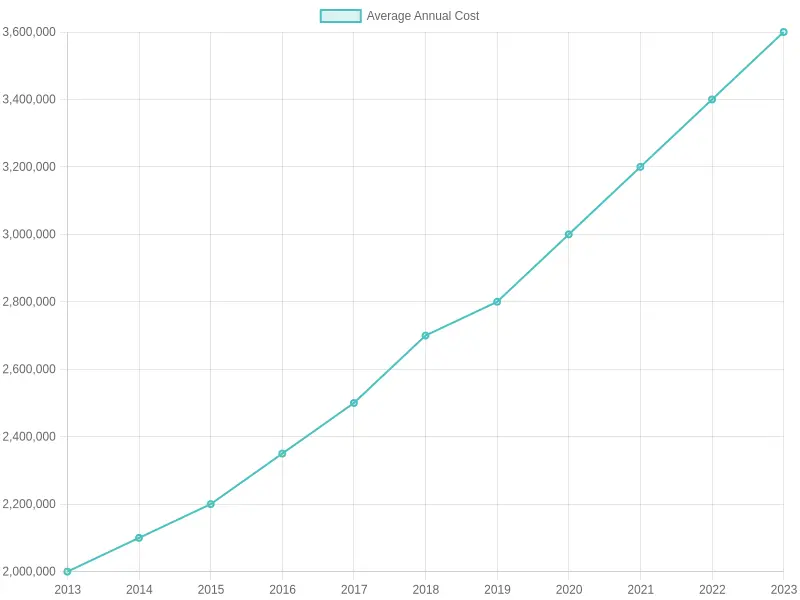
From the chart, we can observe the following trends:
- In 2013, the average cost was approximately $2,000,000.
- By 2023, this cost had risen to $3,600,000, marking a substantial increase.
- Notable spikes in costs are attributed to:
- 2016: Increased sustainability efforts and material costs.
- 2020: Impact of the pandemic causing supply chain disruptions.
- 2021: Ongoing inflation and workforce shortages.
For investors, these trends highlight the importance of understanding the market dynamics influencing fire station construction costs. Awareness of these factors can aid in effective budgeting and planning for future projects.
You can also explore how fire departments are adapting to these changes through our post on fire department funding and business resilience.
Sources
- Fire Station Construction Trends
- Annual Construction Costs Overview
- Impact of Inflation on Construction Costs
This chart and analysis can serve as a valuable resource for business owners looking to invest in fire station construction or related infrastructure projects.
In conclusion, understanding the costs associated with fire station construction is critical for business owners looking to invest in this essential infrastructure. From site preparation to architectural design, numerous factors influence the overall budget, with costs averaging as high as $650 per square foot. Engaging with experts, such as those at Zoomlion, can help navigate these complexities and ensure your project remains within budget and on schedule. Their proficiency in fire station construction not only aids in accurate cost estimation but also enhances operational readiness through expert design and planning. For those ready to take the next step, don’t hesitate to reach out to Zoomlion for personalized quotes and experienced support. They’re committed to transforming your vision into reality while optimizing your project’s efficiency and cost-effectiveness. Learn more about the evolution of fire truck dealers and how these infrastructures evolve to better serve communities.
Reach out today to get started on your fire station project!