In the intricate landscape of emergency services, understanding the distinctions between a fire district and a fire department is crucial, particularly for business owners. A fire department is typically a part of the local government, responsible for responding to fires, medical emergencies, and rescue operations within a specified area. They are equipped with trained personnel and specialized vehicles to handle different emergencies effectively. In contrast, a fire district is a geographical area that may encompass multiple communities, and it is primarily focused on funding and supporting those fire departments through taxation and resource allocation.
For business owners, grasping these differences is not just an academic exercise; it directly impacts safety measures and emergency planning. Knowing which entity is responsible for fire protection services in their area can help owners better prepare for emergencies, ensuring that they have the necessary resources and support in place. Moreover, understanding the workings of both entities enhances overall safety protocols, potentially preventing loss of property and safeguarding lives. A solid foundation in these terms can lead to more informed decisions regarding fire safety equipment and emergency response plans, fostering a safer business environment. For more insights on safety measures, check out our comprehensive fire rescue truck equipment list.
Understanding Fire Departments: Their Structure and Operations for Business Owners
Fire departments are essential public safety organizations dedicated to protecting lives and property from fire hazards. For business owners, understanding how these departments operate can illuminate the vital role they play not only in emergency response but also in fire prevention and community safety initiatives. This knowledge can help integrate fire safety measures into business operations and planning. Learn more about fire rescue truck equipment to ensure your business is adequately protected.
Understanding Fire Departments
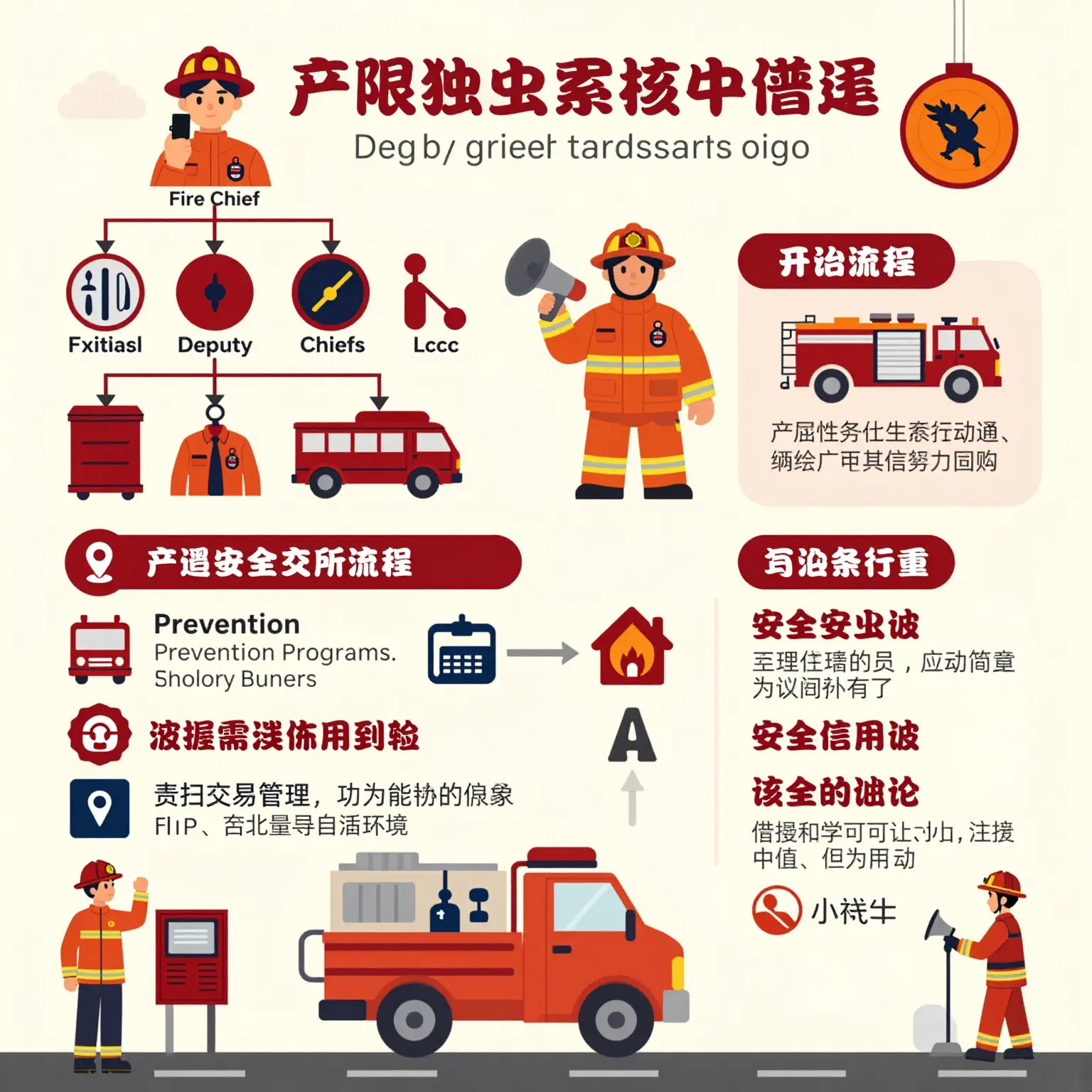
A fire department is a strategic organization responsible for providing firefighting and rescue services to the community. Equipped with trained personnel and specialized equipment, fire departments play a crucial role in public safety. Typically structured hierarchically, a fire department will have a Fire Chief at the helm, followed by Deputy Chiefs, Battalion Chiefs, Captains, Lieutenants, and Firefighters. This organizational framework enables efficient response times and effective management of resources and personnel.
Structure of a Fire Department
- Fire Chief: The senior-most officer, responsible for the overall operation and management.
- Deputy Chiefs: Assist the Fire Chief and oversee specific divisions or functions.
- Battalion Chiefs: Manage operations during emergency responses and supervise groups of firefighters.
- Captains and Lieutenants: Lead teams on the ground, ensuring operational efficiency and safety protocols are followed.
- Firefighters: The front-line personnel who respond to emergencies, conduct rescues, and participate in community education.
This hierarchical structure is essential for effectively managing the different aspects of firefighting, rescue, and community engagement.
Role in Community Safety
Fire departments are vital to community safety, extending their roles beyond just extinguishing fires. They often engage in fire prevention programs and public education efforts, teaching citizens about safety measures to prevent fires. For instance, many departments run community training sessions on how to use fire extinguishers and maintain safe practices in both residential and commercial environments. Additionally, fire departments often assist at-risk communities by connecting them with critical resources.
In essence, the partnership between fire departments and local businesses is instrumental in enhancing safety. Business owners are encouraged to interact with their local fire departments for:
- Fire Safety Training: Ensuring staff are well-trained in emergency response.
- Regular Inspections: Collaborating to identify potential hazards and compliance with fire codes.
- Community Programs: Participating in local safety initiatives and educational outreach efforts.
Fire departments are more than first responders; they are a crucial component in building safer communities through prevention and education. To learn more about fire rescue truck equipment, check out our detailed resource.
Understanding the roles and operations of your local fire department can empower businesses to engage proactively in safety measures, fostering a sustainable environment for everyone.
Understanding the Differences: Fire Districts vs. Fire Departments
Fire districts and fire departments play crucial roles in providing fire protection services, but they differ significantly in various aspects. Below is a comparative table highlighting the key differences between the two.
| Aspect | Fire Districts | Fire Departments |
|---|---|---|
| Funding Sources | Funded through voter-approved mill levies based on property values. | Funded through city/county budgets and taxes; may also receive grants. |
| Administrative Structure | Established as special taxing entities; governed by a board. | Managed by municipal or county governments; may operate independently. |
| Service Areas | Typically cover larger, unincorporated areas; can provide regional services. | Usually serve specific municipalities or urban areas; focus on community needs. |
| Operational Flexibility | Can create additional services (e.g., medical response) as needed by the community. | Limited to services defined by municipal codes; may require approval for expansions. |
| Tax Levy Process | Local voters must approve tax rates necessary for district operations. | Tax rates determined by local governments or councils without direct voter input. |
| Accountability | Accountability to local voters; reports on spending and services are often public. | Accountability to city/county leaders; reports are often less publicly scrutinized. |
Conclusion
Understanding the differences between fire districts and fire departments is essential for business owners and residents alike. This clarity helps inform decisions about safety services, funding, and emergency preparedness in your community.
For more detailed insights into the evolution of fire services, learn more about this topic. Additionally, if you’re interested in necessary equipment for fire response, check out our fire rescue truck equipment list.
Understanding Fire Districts: Key Insights for Business Owners
As a business owner, recognizing the unique characteristics of fire districts is crucial. Fire districts differ significantly from traditional fire departments and play a vital role in ensuring community safety. In this section, we will explore the distinctive features of fire districts, their operational frameworks, and what they mean for businesses like yours. From funding structures to service delivery models, understanding these nuances can help you better navigate your responsibilities and opportunities within the community. To delve deeper into the evolution of fire service, check out our article on the evolution of fire truck dealers and explore essential tools in fire safety by reviewing our fire rescue truck equipment list.
Understanding Fire Districts: Governance, Funding, and Functionality
A fire district is a designated geographical area that provides fire protection and emergency services to its community. Unlike fire departments, which are typically municipal services funded by local government budgets, fire districts operate as independent organizations, often governed by elected boards or commissioners. This governance structure allows fire districts to tailor their services to meet the specific needs of the communities they serve.
Governance of Fire Districts
Fire districts are usually established through state legislation and operate independently within their designated boundaries. Their governance often encompasses:
- Elected Board of Directors: Fire districts are often governed by an elected board that is responsible for making key decisions regarding budgets, staffing, and operational policies.
- Regulatory Framework: Every fire district must adhere to local, state, and sometimes federal regulations, affecting how they operate and the services they provide.
Funding Mechanisms
The primary source of funding for fire districts comes from property taxes. According to a report from the Benton County Fire District, fire districts in Washington State primarily rely on property taxes assessed based on the real estate valuations within their boundaries. This funding model typically involves:
- Property Taxes: Residents pay taxes that specifically fund fire services, which ensures a sustainable revenue stream for operations.
- Additional Revenue Streams: Fire districts might also receive funding through grants, service fees for emergency medical services (EMS), or other local taxes, depending on state regulations and community needs.
Functionality and Community Service
Fire districts serve the community differently from traditional fire departments:
- Broader Coverage: Fire districts often serve multiple communities or larger geographical areas than a single municipal department, thereby providing consistent service across jurisdictional lines. For instance, they may integrate resources to offer comprehensive emergency services to rural areas.
- Autonomy in Operations: Unlike fire departments that might rely on city budgets and policies, fire districts have the flexibility to allocate their resources as they see fit, often leading to increased efficiency and responsiveness to local needs. Furthermore, as noted in a report by FireRescue1, fire chiefs in districts often handle broader strategic management responsibilities akin to a CEO.
In conclusion, fire districts play a critical role in community safety by providing dedicated fire protection services, governed by local officials and funded primarily through property taxes. Understanding the distinctions between fire districts and fire departments can be essential for business owners and community members alike in appreciating the resources and protection available to them.
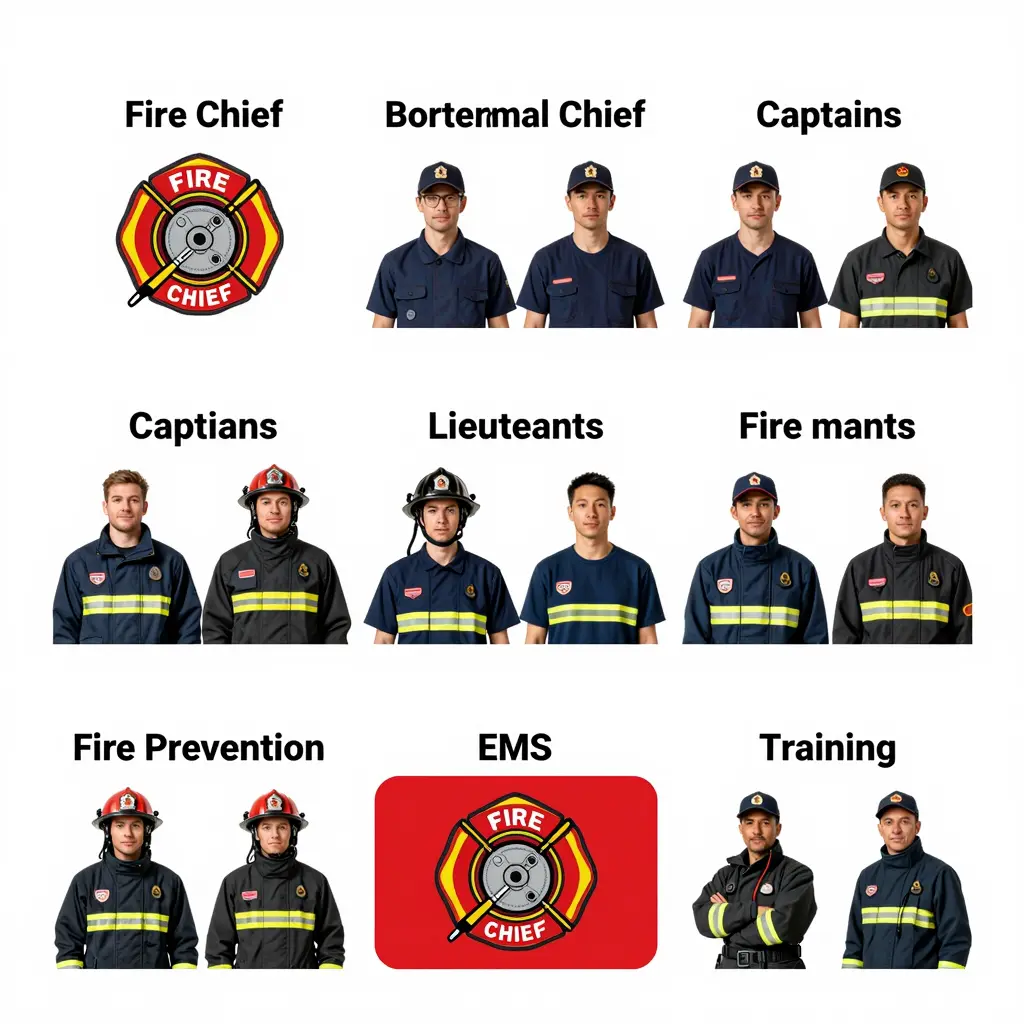
A visual representation of a typical fire department structure, highlighting key roles and units within the organization. This image serves as an aid to understand the hierarchy and functional divisions within a fire department.
Understanding the distinctions between fire departments and fire districts is crucial for business owners and community leaders alike. As Fire Chief David Harris puts it, > “Fire departments operate under strict municipal guidelines, but fire districts provide flexibility and autonomy, which helps in addressing the unique needs of various communities. In essence, understanding these roles can significantly enhance public safety and resource management.”
This quote highlights the essential differences and the importance of comprehending each entity’s responsibilities.
Here’s a brief overview of how these entities differ:
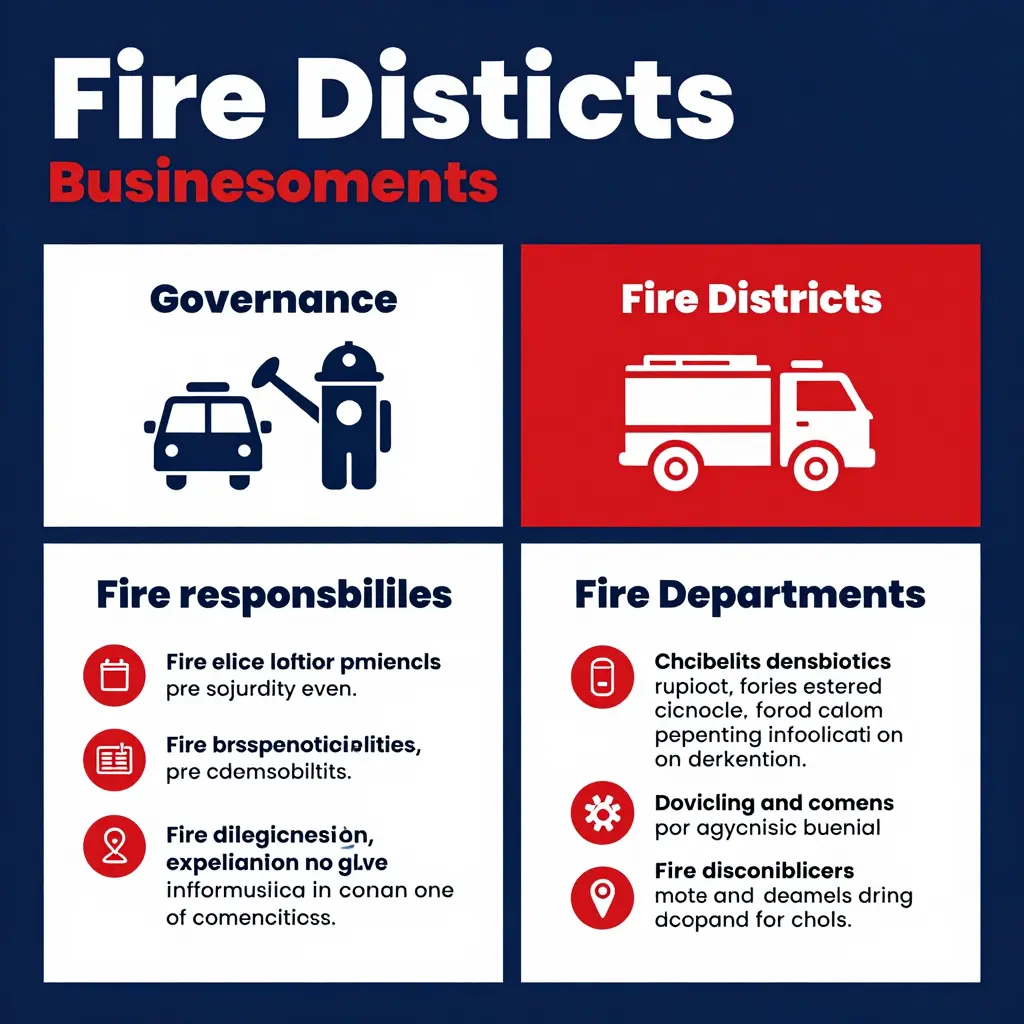
Key Differences
| Aspect | Fire Department | Fire District |
|---|---|---|
| Governance | Municipal entity governed by local laws | Independent entity that may serve multiple municipalities |
| Funding | Funded by municipal budgets | Primarily funded through property taxes |
| Scope of Service | Provides localized services | Offers broader coverage, often in rural areas |
| Responsibilities | Focus on firefighting and emergency response | Includes budgeting, staffing, and local governance |
For more in-depth understanding, learn more about the evolution of fire truck dealers or check our guide on fire rescue truck equipment.
By grasping the nuances between fire districts and fire departments, business owners can better navigate safety protocols and engage with their local fire services effectively.
Common Misconceptions About Fire Departments and Fire Districts
As business owners, understanding the role and capabilities of fire departments and fire districts is crucial for safety and compliance. However, several misconceptions may cloud this understanding. Here are some common misconceptions:
-
Fire Departments Are Only for Emergencies
Many believe that fire departments are only necessary when a fire has already occurred. In truth, they emphasize fire prevention through community education and safety inspections, so proactive engagement with your local department can save lives and property. -
All Firefighters Are the Same
There is a common misconception that all firefighters have identical training and responsibilities. Different fire departments may specialize in various areas such as rescue operations, wildland firefighting, or hazardous materials management, which reflects their diverse training and expertise. -
Fire Districts Are Unrelated to Local Business Needs
Some business owners think that fire districts are only concerned with residential safety. However, fire districts actively evaluate the risks associated with local businesses, providing tailored guidance to ensure compliance with fire codes and enhance safety measures. -
Fire Sprinklers Are More Damaging Than Beneficial
A prevalent myth is that fire sprinklers cause more damage than fire itself. On the contrary, properly installed sprinklers effectively control fires before they spread, minimizing overall damage and loss, which is especially vital for commercial properties. Learn more about fire safety. -
Annual Inspections Are Optional
Many business owners mistakenly think that fire department inspections are optional. Regular inspections are necessary to identify potential hazards and ensure compliance with safety regulations, which can ultimately protect your business and employees. -
Fire Departments Don’t Foster Community Relationships
Some believe that fire departments operate in isolation. On the contrary, most departments engage in community outreach and education programs to strengthen public awareness of fire safety and preparedness, benefiting businesses and residents alike. -
Firefighting Happens Only When Fires Occur
People often think that firefighting is a reactive profession. However, firefighters are also involved in prevention and education, responding to medical emergencies and providing community training on fire safety principles. Explore fire rescue truck equipment.
Conclusion
In conclusion, understanding the differences between a fire district and a fire department is crucial for business owners who need to ensure their operations are well-protected. A fire department typically operates within a municipality, offering comprehensive services funded by local taxes, while a fire district may cover a broader area and could involve volunteer firefighting services managed by a board. Choosing the right fire service depends on factors such as the nature of your business, your location, and the specific fire protection services required.
It’s essential to evaluate these aspects to make an informed decision that guarantees safety and compliance. At Fire Trucks Inc., we are committed to helping you identify the fire service that best suits your needs. Whether you’re looking for equipment, advice, or quotes, our knowledgeable team is here to assist you. Don’t hesitate to contact us today and discover how we can help protect your business efficiently.
Your safety is our priority, and we look forward to partnering with you for a secure future.