Introduction
As a business owner, ensuring the safety and resilience of your community is paramount. One critical aspect that directly influences community safety is the budget allocated to fire departments, which are the first line of defense in emergency situations. In recent years, the budgetary constraints faced by many local fire departments have raised concerns not only about public safety but also about the implications for local businesses. An adequately funded fire department can make a significant difference, minimizing response times, enhancing operational readiness, and ultimately safeguarding the very businesses that contribute to the local economy.
Organizations like Zoomlion, which operate under a dual-listed nature, emphasize the relevance of safety investments in community infrastructure. When fire department budgets are robust, the community thrives, leading to a boost in consumer confidence and business stability. Conversely, underfunding can lead to disastrous outcomes, leaving business owners and residents vulnerable to fire-related emergencies. To better understand the vital intersection between fire department budgets and business safety, it’s essential to recognize how collective efforts towards maintaining adequate funding can pave the way for a secure future. For insights and tips about enhancing safety measures for your business, learn more about fire department manuals.
| City | Total Budget | Personnel Allocation | Equipment Allocation | Community Programs Allocation |
|---|---|---|---|---|
| Los Angeles | $837 million | 75% | 15% | 10% |
| New York City | $2 billion | 70% | 20% | 10% |
| Neenah, WI | TBD | TBD | TBD | TBD |
| Nederland, TX | TBD | TBD | TBD | TBD |
Budget Insights
- Los Angeles has a total budget of $837 million, with a significant portion allocated towards personnel expenses due to the growing demands for fire prevention and emergency responses. Approximately 75% is allocated for personnel, which reflects the city’s focus on staffing amid increasing service demand.
- New York City operates with a much larger budget of $2 billion, with 70% dedicated towards personnel, indicating a similar trend in prioritizing human resources to enhance service delivery.
Budget Considerations for Business Owners
Understanding how fire department budgets are allocated can be critical for business owners as it helps in anticipating the fiscal health of emergency services they rely on. In growing cities, personnel and equipment expenses will likely continue to rise, emphasizing the importance of effective budget management.
For more insight into fire department resources, consider reading our fire department manual for business safety.
Historical Context of Fire Department Budgets
Over the past few decades, fire department budgets in the United States have undergone significant transformations. This evolution can be attributed to a variety of factors, including rising operational costs, advancements in technology, changing economic conditions, and growing public safety demands. Below, we delve into the key statistics and insights that illustrate this historical evolution.
Rising Budgets and Economic Influences
Historically, fire department budgets have generally increased. For example, in recent years, the Los Angeles Fire Department’s budget has fluctuated due to economic challenges and climate change impacts. The budget was cut by $17.6 million in the 2024-2025 fiscal year, dropping from $837 million to approximately $819 million, reflecting broader budget cuts amid ongoing wildfire crises (source). Such decisions underscore the impact of economic conditions on funding allocations.
The economic landscape has a direct relationship with budget changes, exhibiting various degrees of fluctuation based on GDP growth, inflation rates, and unemployment. Here’s a brief summary of the influence of economic factors on fire department budgets:
| Year    | Economic Factor        | Budget Change (%) | Source                          |
|---------|------------------------|-------------------|---------------------------------|
| 2020    | GDP Growth             | -5.1              | [Bureau of Labor Statistics](https://www.bls.gov/data/inflation_calculator.htm) |
| 2021    | Inflation Rate         | 7.0               | [Bureau of Labor Statistics](https://www.bls.gov/data/inflation_calculator.htm) |
| 2022    | Unemployment Rate      | 3.6               | [Bureau of Labor Statistics](https://www.bls.gov/data/inflation_calculator.htm) |
| 2023    | Interest Rates         | 4.0               | [Investopedia](https://www.investopedia.com/articles/basics/04/100804.asp)      |
| 2023    | General Economic Growth | 2.5               | [Trading Economics](https://tradingeconomics.com/)                            |
Urban vs. Rural Budgets
A notable trend is the disparity between urban and rural fire department budgets. Urban departments generally command higher budgets due to greater population densities and demand for services. For instance, in 2023, the budget allocations for major urban departments were as follows:
| Category         | Urban Fire Department Budgets (USD) | Rural Fire Department Budgets (USD) | Notable Cities              | Year |
|-------------------|--------------------------------------|-------------------------------------|-----------------------------|------|
| Los Angeles       | $500 million                         | N/A                                 | Los Angeles                 | 2023 |
| New York City     | $600 million                         | N/A                                 | New York City               | 2023 |
| Chicago           | $300 million                         | N/A                                 | Chicago                     | 2023 |
| Houston           | $220 million                         | N/A                                 | Houston                     | 2023 |
| Dallas            | $200 million                         | N/A                                 | Dallas                      | 2023 |
| San Francisco     | $150 million                         | N/A                                 | San Francisco               | 2023 |
| Average Rural     | N/A                                  | $50 million                        | Various Rural Locations     | 2023 |
As indicated, urban fire departments like those in Los Angeles and New York City receive significantly higher funding than their rural counterparts, which can vary greatly based on local government support and community needs. This disparity can often result in varied response capabilities and resources available across different jurisdictions.
For business owners, understanding these trends is critical, especially when considering investments in fire safety equipment or collaborating with fire services. Keeping abreast of budget changes can foster better partnership opportunities and enhance community safety efforts.
Conclusion
The landscape of fire department budgets continues to evolve, influenced by economic fluctuations, public expectations, and the increasing demands of modern firefighting. Consequently, stakeholders must remain informed about these trends to successfully navigate the intersection of community safety and fiscal responsibility.
By staying engaged with local fire departments and understanding their budgetary needs, businesses can contribute to enhancing the safety infrastructure essential for the community they serve.
For more insights on fire department operations and equipment, check out our fire rescue truck equipment list and learn about the distinctions between fire districts and fire departments.
Funding Sources for Fire Departments
Fire departments play a crucial role in ensuring community safety, and their funding sources significantly impact their ability to function effectively. Various funding streams exist for fire departments, including local taxes, grants, and donations. Understanding these sources will provide business owners and community members insight into the implications they have for safety, response times, and overall service delivery.
Local Taxes
Local taxes are perhaps the most significant funding source for fire departments. These taxes typically come from property taxes, which are assessed based on the value of real estate within the district. For example, communities often allocate a portion of their property tax revenues specifically for fire services. A tax rate increase can allow for enhanced training, better equipment, and increased personnel, all of which contribute to quicker response times in emergencies.
However, relying solely on local taxes can be problematic, especially in economic downturns when property values fall. Business owners, particularly in affected areas, may find that decreased funding translates to slower emergency responses or fewer available services. This can lead to increased risks for both property and lives in the community.
Grants
Grants are an essential funding source, especially when local budget constraints limit available resources. Numerous federal, state, and nonprofit organizations offer grants specifically for fire departments. For instance, the Assistance to Firefighters Grant (AFG) Program provides funding for equipment, prevention programs, and training initiatives.
A notable example is the Federal Emergency Management Agency (FEMA), which periodically releases substantial grants to fire departments for specific projects, such as community engagement or training programs. By acquiring these grants, fire departments can enhance operational capabilities without relying solely on local taxpayers. However, the application process for these grants can be competitive and may require substantial documentation and proposals, thus requiring dedicated personnel to manage the grant process efficiently.
Donations
Community contributions and donations serve as a vital supplement to fire department funding. Many fire departments actively engage with their communities to solicit donations through fundraising events or targeted campaigns. For example, departments may host charity events, deduction drives, or seek support from local businesses in the form of sponsorships.
These donations can significantly impact the financial health of a fire department, enabling the purchase of vital equipment or the implementation of community-oriented safety programs. Businesses that contribute often benefit from enhanced community goodwill and a safer environment, making their investments worthwhile. A community-supported fire department can lead to reduced insurance costs for businesses, as a well-funded and capable fire service can decrease the overall risk.
Implications for Business Owners and Community Safety
The interplay between funding sources and community safety is crucial. Insufficient funding can lead to extended response times during emergencies, jeopardizing the safety of both lives and properties. For example, some communities have faced backlash for budget cuts that resulted in a reduction of available fire units, sparking debates about resource allocations and their impact on safety (see case studies on funding discrepancies).
In conclusion, understanding the complexities of fire department funding helps business owners appreciate the need for comprehensive support systems-ranging from taxes to community donations. When fire departments are adequately funded, they can ensure rapid response times and effective operations, ultimately leading to safer neighborhoods and enhanced business environments. For additional insights, learn more about fire department budgets and their implications for your business operations.
Fire department budgets are critical for ensuring safety and effective emergency responses in communities across the United States. In 2023, there are notable trends and allocations that impact both local communities and businesses significantly.
Current Budget Allocations
Different municipalities have set varying budgets, reflecting their unique needs and challenges. Here are some recent highlights:
-
Oviedo, Florida: The projected budget for the fire department in 2023 is $7.2 million. This budget accounts for services provided beyond city limits, emphasizing the importance of adaptive funding formulas for comprehensive coverage. More details can be found here.
-
Orange City, Florida: The fire department budget is significantly higher at $36 million, allocated by the Administration Division. This reflects the community’s commitment to a robust firefighting and emergency service capability. The detailed report can be accessed in the Orange City Fire Department’s annual report.
-
Florence, South Carolina: The fire department’s budget will see an increase of $96,300. Personnel costs constitute a significant portion of this spending, highlighting the critical nature of human resources in fire operations. Further insights can be explored here.
Trends and Implications
-
Increasing Budgets: Many cities are witnessing increases in their fire department budgets as they adapt to rising operational costs and ensure adequate personnel and equipment to respond to emergencies. This trend reflects a broader acknowledgment of the importance of fire safety in urban planning and public welfare.
-
Cost Management Strategies: Departments like Santa Monica’s fire service are reevaluating budgets to control unnecessary spending and align operations more closely with community needs. Their Strategic Plan emphasizes efficiency, indicating a shift towards smarter resource management amid growing demands.
-
Community Impact: As businesses increasingly rely on efficient emergency services, understanding fire department allocations becomes paramount. Budget fluctuations can directly influence response times, the availability of equipment, and overall public safety.
Conclusion
The financial landscape of fire departments in 2023 illustrates a determined effort to enhance safety measures across U.S. communities. Business owners should stay informed about these trends, as they may affect insurances, safety protocols, and overall operational readiness within their vicinity. Investing in fire safety through support for local departments can ultimately lead to a more secure environment for businesses and residents alike.
For further insights on how fire resources impact your local area, consider reading more about the evolution of fire services.
Fire department budgets play a crucial role in ensuring that communities are adequately protected. As many experts suggest, “Without proper funding, our ability to respond effectively to emergencies diminishes significantly.” This sentiment reflects the reality faced by many fire departments across the country. Adequate budgets allow for essential equipment procurement, training enhancements, and improved staffing levels-all of which are vital for community safety.
For instance, the Bayville Fire Company emphasizes that proper funding is essential for providing high-quality services, underscoring that without these resources, fire departments may struggle to respond effectively to emergencies. Community support through funding not only enhances the fire department’s capacity but also instills confidence among residents regarding their safety.
Business owners should recognize the importance of advocating for fire department funding, as it directly correlates to how quickly and efficiently these essential services can operate during emergencies. Engaging with local initiatives and supporting funding proposals can significantly impact the well-being of the community at large. Learn more about the role of fire departments in community safety.
The Impact of Budget Cuts on Fire Services
Fire services are essential for the safety and well-being of any community. However, continuous budget cuts have put immense pressure on these vital departments, leading to a slew of detrimental consequences that impact not only fire service personnel but also the communities they serve. As a business owner, it’s crucial to understand how these changes can affect local fire services and, by extension, your business’s safety and security.
Reduced Personnel and Resources
One of the most visible impacts of budget cuts is the reduction in personnel. For example, fire services across the U.S., including the Los Angeles Fire Department, have faced severe staffing shortages due to fiscal constraints. Reports indicate that as many as 100 fire vehicles may remain out of service due to inadequate funding, compromising the department’s ability to respond to emergencies effectively. Similarly, the BBC reported that funding gaps could lead to up to 500 job cuts in various fire departments, severely limiting their operational capability.
Slower Response Times
Fewer personnel mean slower response times during emergencies. A study has shown that areas experiencing budget cuts often report increased emergency call volumes while struggling with a lack of adequate staffing. In Allegany County, for instance, emergency call volume saw a staggering 42% increase, even as the local fire department faced a $2 million budget cut. Such increases in demand, combined with reduced resources, can lead to critical delays in emergency response, which is alarming for any business owner who relies on community safety.
Increased Community Safety Risks
The risks posed by budget cuts go beyond merely response times; they translate directly into heightened community safety concerns. Tight budgets often mean fire departments are unable to invest in training, equipment, and preventive measures. As stated in an article by Firehouse, budget cuts can lead to the emergence of larger fires, loss of lives, and a general decline in safety standards.
The Fire Brigades Union has similarly indicated that systematic budget reductions are degrading fire services across England and Wales, raising alarms about public safety. High call volumes coupled with staffing shortages can lead to overwhelming situations for emergency responders, increasing the risk of error and reducing the overall effectiveness of response efforts.
Business Owner Implications
As a business owner, you might wonder how this affects you directly:
- Insurance Costs: Lower emergency responsiveness can lead to increases in insurance premiums, as businesses may be viewed as higher risks without a capable fire department nearby.
- Community Trust: A fire department that struggles with budget cuts may foster mistrust in the community regarding safety measures, affecting local business engagement and patronage.
Conclusion
Ultimately, the continuity of effective fire services is integral to community safety and the operational capacity of local businesses. It’s critical for community members and business owners to advocate for sufficient funding for fire departments to ensure that they can operate at full capacity. Learn more about related topics here. By understanding and addressing the risks posed by budget cuts, we can contribute to a safer community for all.
Trends in Fire Department Funding Over the Last Decade
Understanding the funding trends for fire departments over the last decade is crucial for business owners, community members, and policymakers alike. The fluctuations in budgets often reflect not just the priorities of the city but also the changing dynamics of public safety and emergency services.
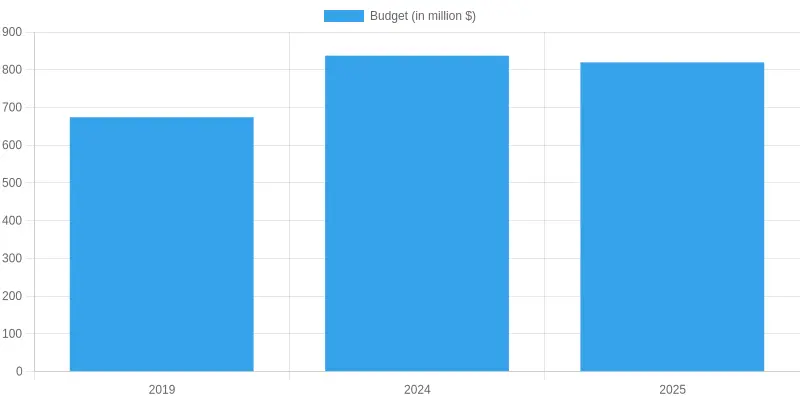
The following chart illustrates the trends in fire department funding, particularly focusing on Los Angeles, where notable budget changes have occurred:
Key Observations from the Chart:
- 2019: The budget was approximately $674.27 million, amidst growing concerns about adequate funding in fire service.
- 2024: A significant increase brought the budget to $837.19 million, possibly in response to public concerns and pressures regarding fire safety.
- 2025: A slight decrease to $819.64 million represented ongoing issues with budget allocation following political decisions.
The data emphasizes the financial challenges fire departments face, including budget cuts and reallocations in areas like law enforcement. Business owners and community stakeholders should pay attention to these trends for better emergency preparedness and resource allocation.
For further reading on the evolution of operational budgets in fire services, you can learn more about fire department structure.
In conclusion, understanding the financial dynamics of fire department budgets is crucial for business owners who care about community safety. As we’ve discussed, well-funded fire departments are better equipped to respond promptly to emergencies, ultimately saving lives and protecting property. The relationship between fire funding and community readiness cannot be overstated; without adequate budgets, safety measures and resources may suffer, potentially jeopardizing the integrity of immediate response efforts.
Moreover, businesses play an invaluable role in supporting fire departments not just through financial sponsorship but also through active community engagement and education initiatives. By partnering with local fire services, companies can contribute to a more safety-conscious environment, fostering trust and goodwill within the community. Such actions not only enhance public safety but also exhibit corporate responsibility and commitment to social values.
As a business owner, now is the time to take action. Engage in discussions with your local fire department and explore ways to collaborate. Whether it’s through sponsorship opportunities or hosting safety workshops, your involvement can make a significant difference. For expert guidance and additional support in navigating these partnerships, contact Zoomlion today to ensure that your business plays a proactive role in enhancing community safety and engaging with essential fire services effectively. Together, we can create safer communities for everyone.