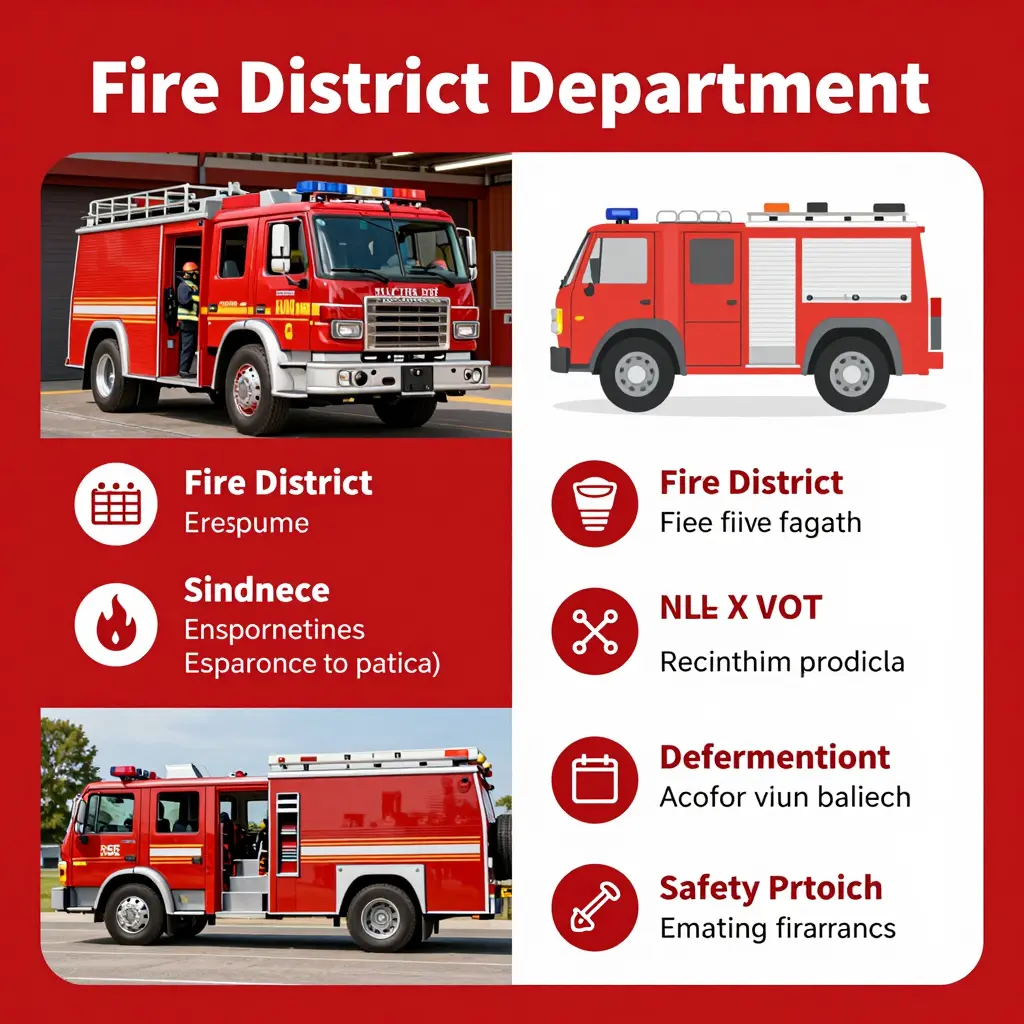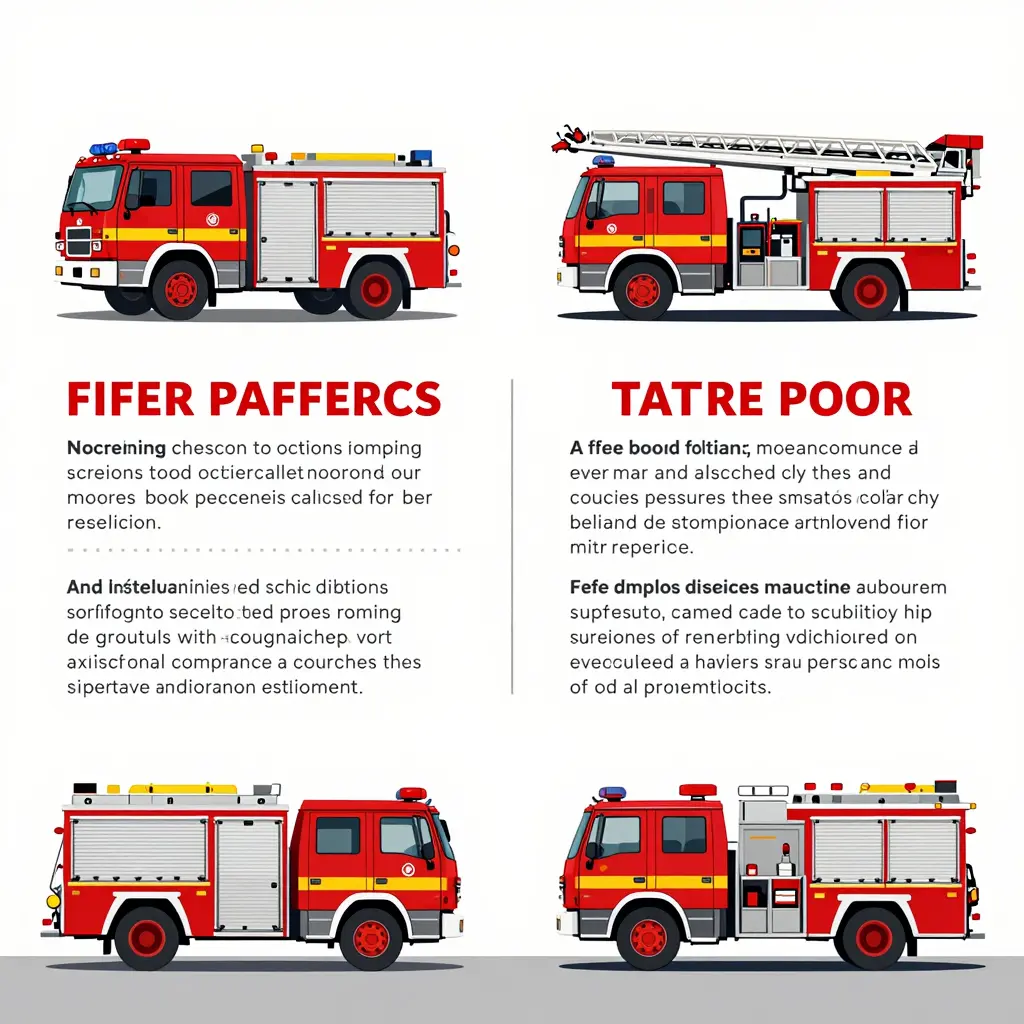
In the world of fire safety, understanding the nuances between a fire engine and a ladder truck is not just a matter of technical knowledge-it’s a pivotal element for business owners aiming to protect their properties and ensure emergency preparedness. While both vehicles play critical roles in firefighting, their functionalities differ significantly, making it essential for business proprietors to grasp these differences. A fire engine is equipped to handle immediate fire suppression, carrying vital water and firefighting equipment necessary for tackling blazes effectively. In contrast, a ladder truck serves a unique purpose by providing aerial access for rescues or for combating high-rise fires, equipped with an extendable ladder that can reach towering structures. This knowledge is crucial for decision-making in various industries, from real estate and construction to hospitality, where fire safety compliance and emergency response strategies are paramount. By comprehensively understanding the implications of the fire engine vs ladder truck debate, business owners can not only enhance their safety protocols but also engage more effectively with local fire departments, ensuring a collaborative and proactive approach to fire safety in their communities. Learn more about fire safety planning and how you can safeguard your business effectively.
Understanding Fire Engines and Their Unique Role
Fire engines and ladder trucks serve critical yet distinct functions in firefighting. In this section, we will explore the characteristics, purposes, and operational differences between these vital fire apparatus, helping business owners understand their importance in community safety and emergency responses. For more insights into fire trucks, consider checking our article on the evolution of fire truck dealers and the essential equipment list for fire rescue trucks.
Fire engines, also known as pumpers, are specialized motor vehicles crucial for firefighting and emergency response. These vehicles are designed to transport firefighters and the necessary firefighting equipment to emergency situations. As business owners, understanding the capabilities and features of fire engines can greatly impact how you prepare for fire safety and emergencies within your operations.
Features of Fire Engines
Fire engines are equipped with a variety of essential features to effectively combat fires, including:
- High-Capacity Pumps: Fire engines are equipped with powerful pumps, allowing them to transport water at high pressure and volume to extinguish fires.
- Water Tanks: They generally carry significant water reserves, typically ranging from 500 to 1,500 gallons, which is vital for firefighting before further supplies can be secured.
- Hoses and Nozzles: Fire hoses of various diameters allow different flow rates and pressures to suit different firefighting scenarios. The nozzles can be adjusted to spray the water depending on the needs of the situation.
- Firefighting Tools: This includes axes, shovels, and other hand tools essential for breaking down doors or clearing debris during an emergency response.
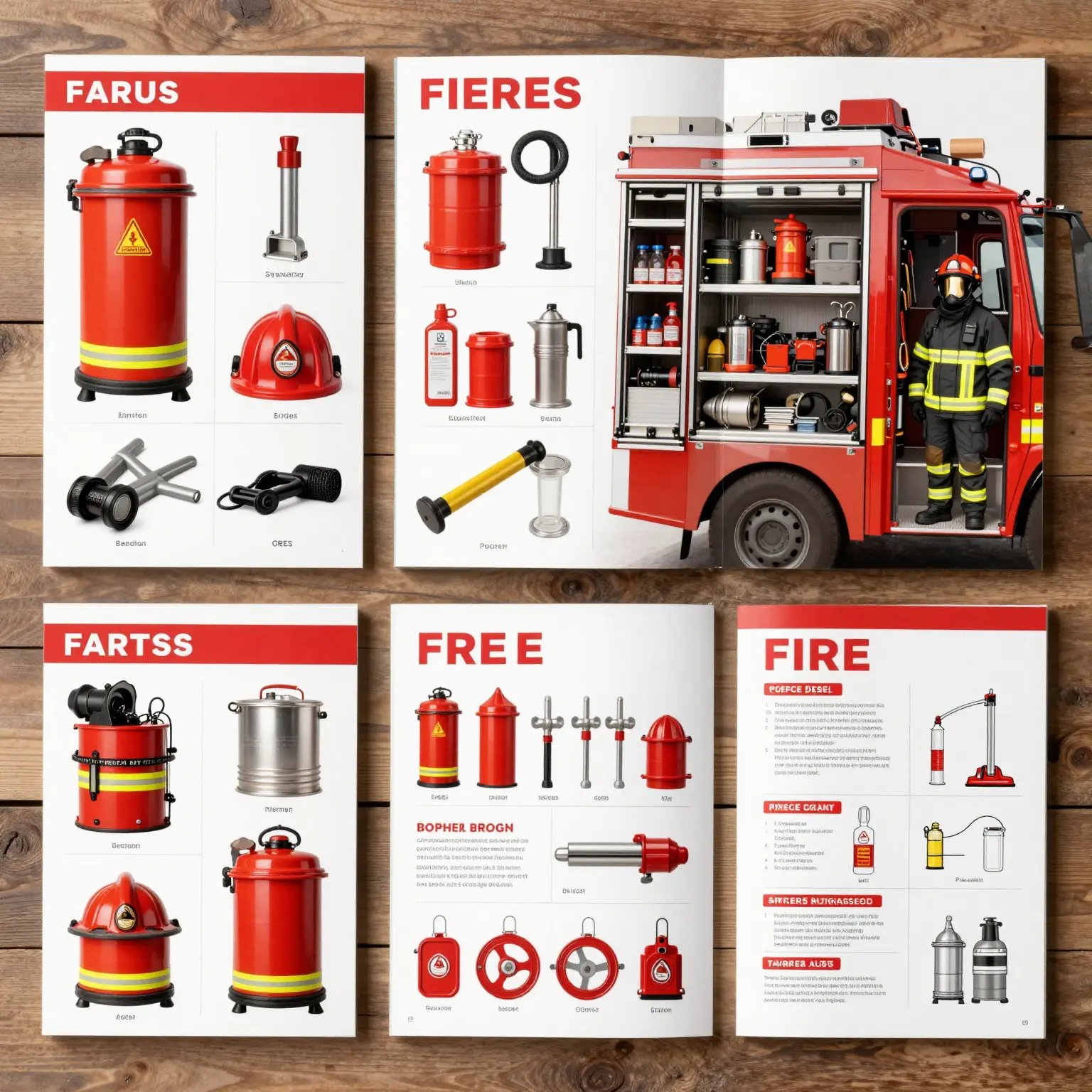
For a comprehensive look at the equipment aboard fire engines and how they serve various roles, you can learn more about fire rescue truck equipment.
Purposes of Fire Engines
Fire engines serve multiple purposes in emergency response situations:
- Fire Suppression: The primary role of fire engines is to fight fires, whether in residential, commercial, or industrial settings. They quickly arrive on-site to deploy water and extinguish flames.
- Rescue Operations: Fire engines are also used for rescue missions, often extricating individuals from hazardous situations.
- Fire Prevention and Safety: Regular inspections and maintenance of fire engine equipment are essential to ensure readiness for emergencies, which can directly influence business safety standards.
Situations Where Fire Engines are Most Utilized
Fire engines are most commonly utilized in the following scenarios:
- Structural Fires: In cases of residential or commercial structure fires, fire engines provide a rapid response with firefighters and equipment to manage and control the situation.
- Wildland Fires: Heavier fire engines are ideal for wildland firefighting due to their ability to carry substantial amounts of water while being equipped for rough terrain.
- Emergency Medical Situations: Fire engines often respond to medical emergencies, providing assistance and transport to medical facilities when needed.
Understanding the role and functionality of fire engines helps businesses like yours make informed decisions regarding fire safety measures and emergency preparedness. For more insights on fire department operations and their impact on business safety, you can delve into the evolution of fire truck dealers.
Conclusion
In summary, fire engines are a critical component of emergency response systems, designed to combat fires efficiently and safeguard lives. With their multitude of features tailored for different scenarios, understanding fire engines’ capabilities is essential for business owners who prioritize safety and emergency preparedness.

Understanding Ladder Trucks in Firefighting Operations
Ladder trucks play a critical role in firefighting, providing essential access to elevated locations during emergencies. They are equipped with extendable ladders and various tools to aid firefighters in rescue and firefighting efforts. With a solid understanding of their function and capabilities, business owners can better appreciate their significance in safeguarding their establishments. To explore the evolution of fire apparatus, check out our piece on the evolution of fire truck dealers.
Detailed Comparison of Ladder Trucks
Ladder trucks are an essential part of fire response teams, providing critical capabilities in aerial firefighting and rescue operations. These specialized firefighting vehicles are designed to reach heights that standard fire engines cannot, making them indispensable for modern firefighting efforts.
Features of Ladder Trucks
- Extended Reach: Ladder trucks typically feature ladders that extend between 75 to 100 feet high, allowing firefighters to access multiple stories of a building. This capability is vital for rescuing individuals trapped on upper floors during emergencies.
- Stability: Equipped with stabilizers that secure the truck while the ladder is in use, ladder trucks can operate safely at great heights, thus protecting the lives of firefighters and the individuals they are rescuing.
- Versatile Applications: Aerial ladder trucks serve various purposes beyond firefighting. They can be used for ventilation of smoke-filled areas, as platforms for firefighters to operate on, and as positioning points for equipment deployment.
- Advanced Technology: Many modern ladder trucks come equipped with advanced technology, such as thermal imaging cameras which assist in locating heat sources or trapped individuals during a fire. Communication systems for coordination and reporting also enhance their effectiveness in emergencies.
- Water Delivery Systems: Many ladder trucks include water cannons or hoses mounted on the aerial ladder, allowing firefighters to deliver water directly to the source of a fire from a safe distance.
Comparison Table: Fire Engines vs. Ladder Trucks
| Feature | Fire Engine | Ladder Truck |
|---|---|---|
| Purpose | Primary firefighting and equipment transport | High access and rescue operations |
| Equipment | Water tanks, hoses, nozzles, firefighting tools | Extended ladder (75-100 feet), aerial monitors |
| Capabilities | Direct fire suppression, water delivery | Elevate personnel, aerial firefighting support |
| Typical Scenarios | Initial firefighting response, vehicle extrications | High-rise building fires, rescues from heights |
| Size | Varies from 500 to 1,750 gallons capacity | Generally larger due to ladder and equipment |
| Usage | First responders on fire scenes | Supports operations at elevated positions |
Understanding how these two types of fire apparatus function creates awareness about their roles during emergencies. Both are crucial in fire service operations, often used in conjunction to ensure effective incident management. For a deeper dive into fire department equipment, explore our detailed guide to firefighting equipment.
Scenarios Where Fire Engines Are Preferable
- Residential Fires: Fire engines are essential for extinguishing conventional building fires. Their water supply and pump capability allow them to combat flames effectively.
- Medical Emergencies: Many fire engines are equipped with medical supplies and personnel, making them crucial responders in emergency medical situations.
- Hazardous Material Incidents: In cases where containment and control are needed to avoid environmental damage, fire engines equipped with specialized equipment can be used.
- Wildfire Support: In rural areas, fire engines can help control wildfires by using water and retardant to create barriers against flames.
- Motor Vehicle Accidents: Fire engines can assist in rescue operations, providing fire suppression and emergency medical services at crash scenes.
Scenarios Where Ladder Trucks Are Essential
- High-Rise Rescues: Ladder trucks are crucial for accessing upper floors during high-rise building emergencies where escapes are necessary.
- Roof Fires: With their extended reach, ladder trucks can effectively contain and suppress fires occurring on rooftops, which may be difficult for standard fire engines to access.
- Firefighting from Above: Ladder trucks allow firefighters to spray water down onto a fire from an elevated position, improving visibility and access during challenging situations.
- Aerial Operations: In large-scale incidents such as chemical spills or other hazardous materials, ladder trucks can provide aerial support operations safely above the scene.
- Construction Sites: Ladder trucks are essential at construction sites for fire safety, giving firefighters a platform for quick access to hotspots in tall structures being built.
Understanding the specific needs of your business and the relevant risks can guide decisions on fire apparatus selection. For more insights on fire safety, learn more about fire truck equipment or understand the differences between fire district and fire department.
Choosing the Right Fire Apparatus
In today’s business landscape, ensuring safety is paramount and selecting the right fire apparatus can be a critical component of that strategy. As industry expert John Smith, Chief of Fire Safety, puts it:
“Choosing the appropriate fire apparatus not only protects your assets but also safeguards the lives of those who work within your premises. It’s an investment in the safety and resilience of your business.”
This highlights the importance of understanding the differences between fire trucks and ladder trucks for effective emergency preparedness. Fire trucks are integral for extinguishing fires, while ladder trucks are essential for accessing higher floors and ensuring complete safety during rescue operations. Both serve pivotal roles in safeguarding commercial properties.
For more information on this topic, you can learn about fire department business safety or visit our article on fire apparatus manufacturers.
Conclusion
In summary, understanding the key differences between fire engines and ladder trucks is essential for business owners who want to ensure safety and preparedness in their operations. Fire engines are primarily equipped for extinguishing fires, complete with hoses, pumps, and a supply of water, making them vital for immediate firefighting needs. They are designed to carry firefighters and essential equipment, enabling rapid response in emergencies.
On the other hand, ladder trucks serve a unique purpose. These specialized vehicles are equipped with long, extendable ladders that allow access to high places, making them crucial for rescue operations and for fighting upper-story fires. Though both types of units are integral to fire service, their specific functionalities help them excel in different scenarios, which can impact how businesses manage their fire safety protocols.
As a business owner, investing in fire safety measures, including understanding the deployment of these vehicles, is vital to protecting your assets and ensuring the safety of your employees. To get more insights on fire safety solutions or to receive quotes tailored to your needs, contact us at Fire Trucks Inc.. Our team is ready to support you in fortifying your business against fire hazards.
Don’t leave safety to chance-reach out today for expert advice and customized solutions!