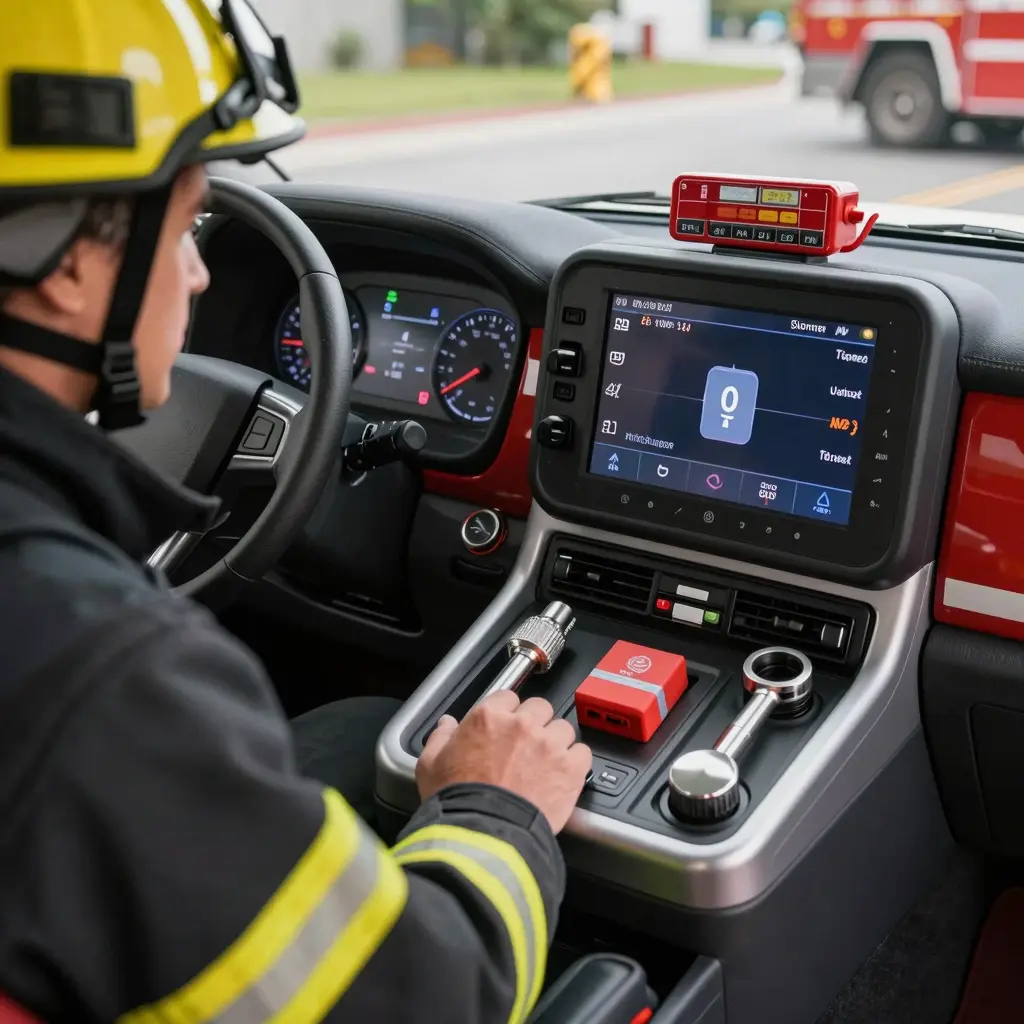
In emergency situations, time is of the essence, and the effectiveness of fire rescue operations hinges critically on the capabilities of the fire rescue trucks deployed. These vehicles are not just transportation; they are equipped with a plethora of fire rescue truck equipment designed to facilitate swift and efficient response to fires and other emergencies. Understanding the components and capabilities of fire truck gear is essential for business owners in any domain, especially those involved in construction, manufacturing, or any field where fire safety is paramount. This article aims to provide an in-depth look at the equipment lists and functional roles found on modern fire rescue trucks, delving into the vital technologies that can significantly impact life-saving efforts in crisis scenarios.
Effective fire safety procedures and equipment preparedness can mean the difference between disaster and safety, which is why being well-versed in the intricacies of fire safety equipment is essential for anyone operating within risky industries. By exploring the essential tools carried by fire rescue trucks, you can better appreciate their importance and consider how such equipment can be integrated into your own safety protocols. Whether you are looking to enhance your understanding of fire response capabilities or seeking guidance on how to better equip your facility for emergencies, this comprehensive guide is designed to arm you with useful information and insights. Let’s dive into the world of fire rescue truck equipment and learn how it can help us save lives and protect our communities more effectively.
Comprehensive Fire Rescue Truck Equipment List
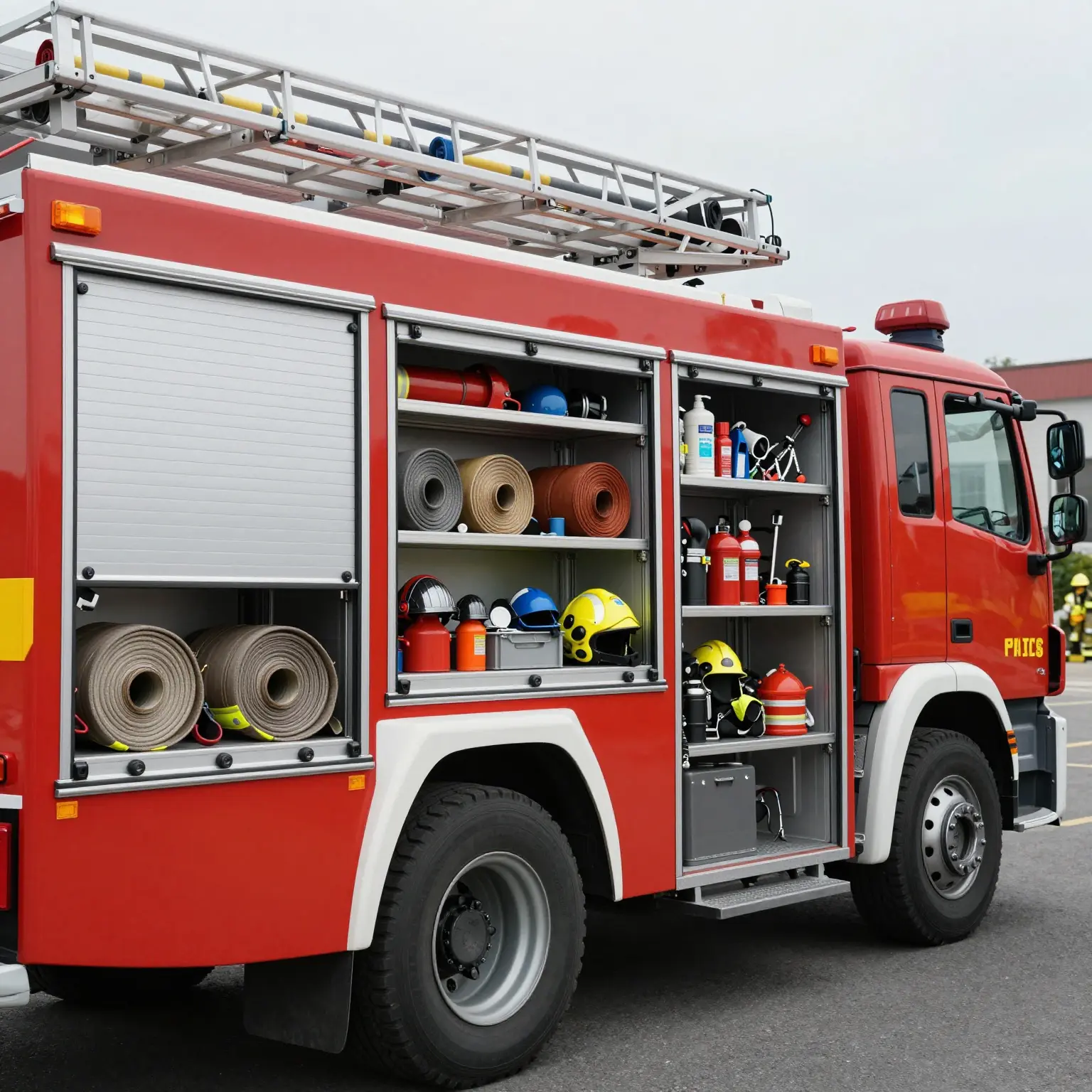
When it comes to fire rescue trucks, having the right equipment is essential for effective emergency response. Below is a detailed list of essential fire rescue truck equipment, designed for business owners considering the needs of their fleet.
Essential Equipment For Fire Rescue Trucks
-
Hoses
Hoses are vital components in firefighting, designed to transport water from the truck to the fire. Various lengths and diameters are crucial to ensure a dependable water supply in times of emergency. Functionally, hoses come in two main types: attack hoses for direct firefighting and supply hoses for connecting to water sources. -
Ladders
Fire service ladders are typically extendable, allowing firefighters to reach high places. They are indispensable for rescuing individuals from multi-storied buildings and for accessing rooftops in certain situations. The most common types include extension ladders, roof ladders, and aerial ladders, each serving unique functions in emergency response. -
Pumps
The heart of a fire truck’s water system, pumps draw water from either the tank or an external source and pressurize it for use through hoses. They vary in capacity and performance, typically categorized by GPM (gallons per minute) rates. Portable pumps are also frequently used for remote firefighting. -
Tools
Many hand tools are found on fire trucks to assist firefighters in overcoming obstacles. These include axes, pike poles, sledgehammers, and cutters for breaking windows, cutting through doors, and scaling obstacles. -
Fire Extinguishers
Portable extinguishers are often included in fire rescue trucks, used for tackling small fires before they escalate. Different types correspond to different classes of fire (e.g., Class A, Class B) and are imperative for initial fire assault. -
Nozzles
Nozzles are essential attachments on hoses that help control the speed, volume, and direction of water flow. They play a significant role in adjusting water pressure and are crucial in efficiently managing fire suppression efforts. -
Rescue Equipment
This includes items such as stretchers, harnesses, and rope systems specifically designed for rescue operations. Tools like the “Jaws of Life” are also part of rescue equipment, aiding in vehicle extrication and providing access to victims trapped in hazardous situations. -
Water Tank
Fire rescue trucks are usually equipped with large water tanks to supply water on-site. The size of the tank can significantly impact operational efficiency, enabling longer firefighting tasks without needing to refill constantly.
Additional Equipment
-
Medical Equipment
Medical gear often complements fire rescue capabilities, including first-aid kits, defibrillators, and basic life support systems, ensuring that responding teams can provide immediate care to victims. -
Communication Gear
Communication devices such as radios ensure seamless coordination among team members during emergency responses. They are critical for maintaining safety and ensuring operational efficiency on scenes. -
Fire Hose Reel
Hose reels are used to store and deploy fire hoses quickly. They provide easy access to hose lines and reduce deployment time during emergencies. -
Traffic Control Equipment
Items like cones or flares help in managing traffic flow around accident sites or fire scenes, ensuring safety for both the emergency responders and civilians. -
Personal Protective Equipment (PPE)
Firefighters must wear appropriate PPE, including helmets, gloves, masks, and turnout gear, to protect against fire and hazardous conditions, making the inclusion of these essentials mandatory on any fire rescue truck.
Conclusion
Understanding the key components of fire rescue truck equipment is crucial for optimizing emergency response. At Fire Trucks Inc., we prioritize these essentials ensuring that safety and efficacy are at the forefront of firefighting missions. For a comprehensive overview, feel free to explore our equipment offerings.
Equipment Types Proportions
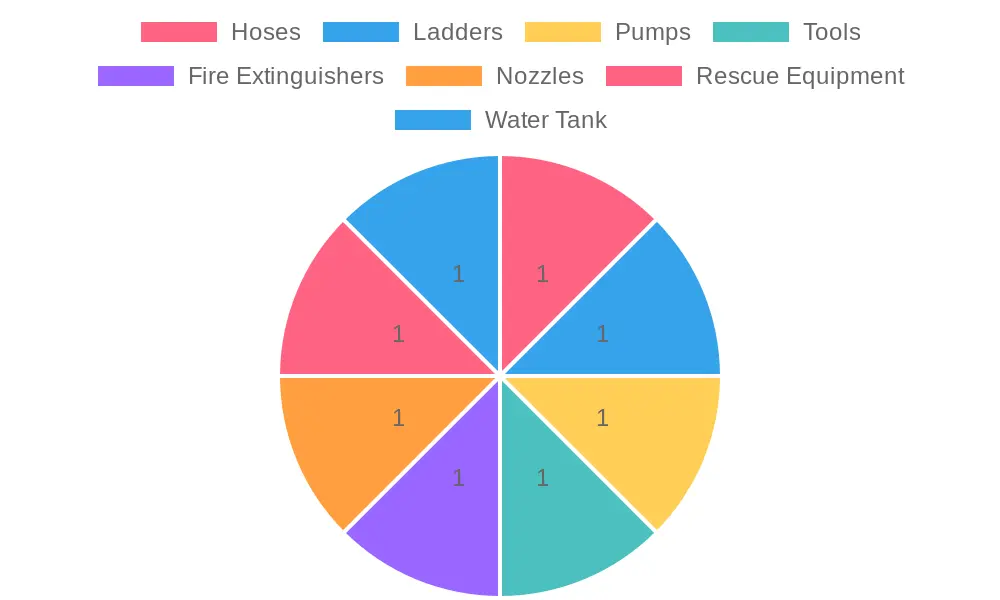
This infographic illustrates the various proportions of fire equipment types typically found aboard a fire rescue truck, emphasizing the importance of each category in effective fire response.
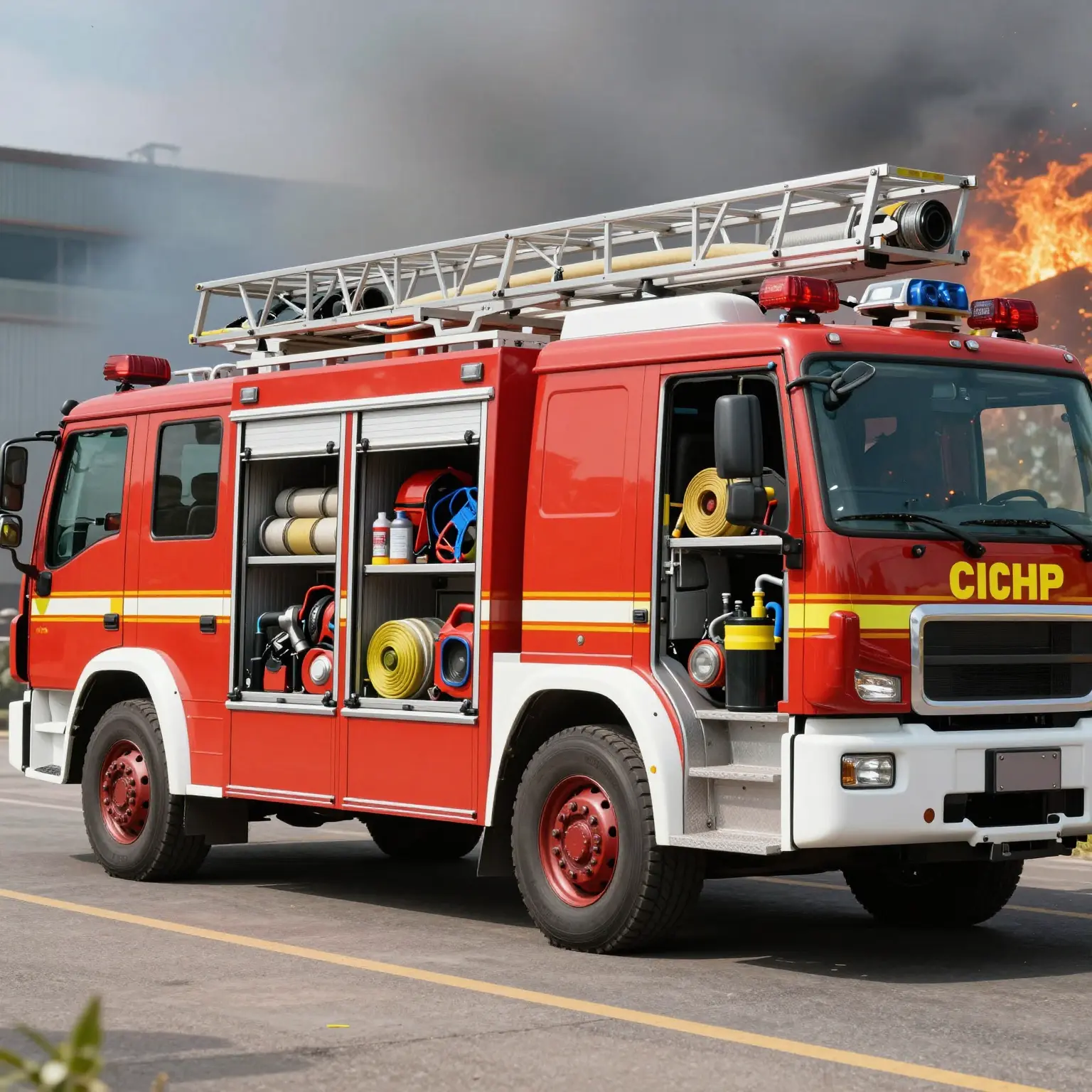
Regular maintenance of fire rescue truck equipment is crucial for ensuring optimum performance and safety during emergency operations. Neglecting this upkeep can lead to equipment malfunction when it is needed the most, potentially putting lives at risk. Below, we explore the importance of maintenance, provide essential tips, and recommended schedules.
Why Maintenance Matters
- Safety Assurance: Routine checks can help identify wear and tear on critical components like hoses, pumps, and emergency lighting systems.
- Performance Reliability: Equipment that is properly maintained is less likely to fail during emergencies. Firefighters rely on their gear and vehicles to function correctly to save lives.
- Cost Savings: Regular maintenance can prolong the lifespan of equipment, decreasing the likelihood of costly repairs or replacements.
Tips for Maintenance
- Establish a Regular Inspection Schedule: Create a calendar for routine inspections. Monthly checks can help catch problems early, keeping equipment in optimal condition.
- Daily: Inspect physical conditions and ensure no visible defects.
- Weekly: Check fluid levels, battery status, and test emergency equipment.
- Monthly: Inspect hoses, pumps, and lights, and conduct thorough functionality tests.
-
Use a Maintenance Checklist: Implementing a structured checklist can streamline the maintenance process. Fire Truck Maintenance Checklist is an excellent resource for determining what needs to be checked regularly.
-
Train Personnel: Ensure everyone involved in equipment care understands the importance of maintenance and knows how to conduct basic checks.
-
Document Everything: Keep records of inspections, repairs, and replacements. This documentation is essential for audits and helps track performance over time.
Recommended Maintenance Schedule
| Maintenance Task | Frequency |
|---|---|
| Visual Inspection | Daily |
| Fluid Level Check | Weekly |
| Comprehensive Safety Inspection | Monthly |
| Pump Performance Test | Quarterly |
| Full Equipment Testing | Annually |
Following a consistent maintenance schedule helps to uphold the integrity of fire rescue truck equipment, allowing first responders to focus on saving lives rather than worrying about equipment failure.
Conclusion
The upkeep of fire rescue truck equipment is not just a task on a checklist; it’s a commitment to safety and reliability. Ensuring all components-from the vehicle to the fire gear upkeep-are in top condition can significantly affect emergency response effectiveness. For further information on maintaining fire rescue trucks, learn more here.
Regular maintenance is a critical investment in your operation’s capability and in the safety of the communities you serve.
User Adoption Trends in Modern Fire Rescue Truck Equipment
In recent years, the fire rescue industry has witnessed significant advancements in truck equipment, driven by a combination of innovative technologies and evolving regulatory demands. Here, we summarize some critical data-driven insights regarding user adoption trends and the factors influencing them.
Increasing Adoption of Electric Vehicles
One of the most notable trends is the growing adoption of electric fire trucks. For instance, in April 2023, the city of Boulder, Colorado, made headlines by acquiring its first electric fire truck. This move demonstrates a shift toward more sustainable firefighting practices and highlights the urgency among municipalities to reduce their carbon footprints while improving operational efficiency. Electric trucks are particularly appealing due to their lower operational costs and reduced environmental impact. Learn more about electric fire trucks.
Demand for Compliance with New Regulations
Across various regions, including the UK, new regulations regarding fire safety have driven demand for advanced fire rescue equipment. In 2023, the UK government implemented stringent safety measures requiring comprehensive fire risk assessments, which in turn necessitate modern firefighting mechanisms. Fire departments are encouraged to upgrade their equipment to meet these regulations, resulting in increased orders for state-of-the-art fire rescue trucks with enhanced safety features. This trend indicates a proactive approach in ensuring community safety through upgraded fire response capabilities. Read about new regulatory trends.
Urban Demand for Multifunctional Vehicles
The urban landscape presents unique challenges requiring rapid-response vehicles tailored for complex emergencies. The demand for multifunctional fire rescue vehicles has surged, influenced by government policies advocating for comprehensive firefighting solutions. In many metropolitan areas, fire departments are recognizing the need for equipment that can address diverse scenarios, ranging from wildfires to structural fires. As a result, investments have been directed towards procuring versatile trucks equipped with advanced technology and machinery.
Summary of Key Adoption Insights
| Trend | Key Insight |
|---|---|
| Electric Fire Trucks | Increased municipal adoption for sustainability. |
| New Regulatory Compliance | Enhanced demand for modern safety features. |
| Urban Multifunctionality | Growing investments in versatile fire rescue vehicles. |
These trends reflect a pivotal shift within the fire rescue equipment sector, underscoring the importance of innovation, regulation, and urban response needs in shaping future purchases. The adoption of modern equipment not only enhances safety but also prepares fire departments for the challenges of tomorrow.
| Vendor | Cost Range | Reliability | Customer Reviews |
|---|---|---|---|
| Zoomlion | Wholesale pricing, varies by equipment | Highly rated for response needs | Over 300 real user reviews, indicating a good reputation for quality. Learn more |
| VIKING Fire & Rescue | Competitive pricing | Selected for durability worldwide | Trusted by firefighters, noted for protection features. Learn more |
| Precision Fire Apparatus | Varies by model | Positive feedback for effectiveness | Gained attention for enhancements in emergency capabilities. |
| Accio | $18,000 to $35,000 | Good for small vehicles | Allows comparison among verified suppliers, user reviews vary. |
Advanced Technologies in Fire Rescue Trucks
As the world evolves, so does the technology we rely on to protect our lives and property. Fire rescue trucks, which serve on the front lines of emergency response, are now integrating advanced technologies that significantly enhance their operational efficiency and effectiveness. For business owners looking to invest in or upgrade their fire rescue fleet, understanding these advancements can lead to better decision-making and enhanced safety for their teams and communities.
GPS Technology: Navigating to Safety
Global Positioning System (GPS) technology has become a cornerstone for modern fire rescue operations. With the ability to provide real-time location data, GPS enables fire crews to navigate the fastest routes in times of emergency. The integration of GPS benefits fire rescue crews in several critical ways:
- Improved Response Times: By utilizing GPS, fire departments can ensure that their vehicles arrive at the scene of an incident without unnecessary delays. This is crucial for time-sensitive emergencies such as fires or medical incidents, where every second counts.
- Enhanced Resource Management: GPS technology supports better coordination of resources by providing accurate location tracking for all emergency personnel, equipment, and assets. This allows commanders to allocate resources more effectively during crises.
- Safety for Firefighters: Through accurate tracking, command centers can monitor the whereabouts of their personnel, keeping them safe even in volatile situations. This minimizes the risks associated with navigating unfamiliar territories.
A recent article from Fire Product Search emphasizes how these technological advancements are not only revolutionizing emergency responses but also saving lives by improving safety protocols.
Drone Capabilities: Eyes in the Sky
The incorporation of drones into fire rescue operations has taken situational awareness to new heights-literally. Drones equipped with high-resolution cameras and thermal imaging are proving invaluable in emergencies, offering:
- Aerial Reconnaissance: Drones can quickly survey large areas, providing firefighters with real-time visuals of a fire scene. This helps the command center devise effective strategies while keeping ground crews informed of changing conditions.
- Search and Rescue Operations: When lives are on the line, drones can locate missing persons more efficiently than ground teams. Drones can cover vast areas rapidly, reducing the duration of rescue missions.
- Damage Assessment: After a fire has been extinguished, drones can help assess damages from above. This data is crucial for insurance purposes and future prevention strategies.
Notably, advancements from companies like Revolute Robotics are developing hybrid robots that transition between ground and aerial responses, making them essential tools in firefighting and rescue operations.
Smart Technologies: The Future of Emergency Response
Smart technology is reshaping fire rescue operations in unprecedented ways. From artificial intelligence (AI) systems to smart communication tools, here are some ways these innovations are enhancing firefighting:
- AI-Driven Route Optimization: Agencies like New York’s fire department are harnessing AI to navigate emergency response vehicles through congested urban environments, significantly improving response times. They utilize advanced algorithms to avoid obstacles and identify the fastest routes to emergencies, dramatically enhancing efficiency.
- Connected Smart Gear: Smart wearable technology is being integrated into firefighter gear, which can monitor vital signs and provide real-time data to command centers. This technology ensures that firefighters are operating within safe parameters and allows command staff to respond quickly if any distress signals arise.
- Integrated Communication Systems: Modern fire rescue operations require seamless communication. Smart technologies are enhancing these systems, enabling firefighters to communicate effectively and share vital information quickly, thus improving coordination during rescue missions.
As noted in Smart Cities Dive, the use of smart technology is essential for enhancing both safety and speed in emergency response scenarios.
Conclusion
The advanced technologies integrated into fire rescue trucks are transforming the landscape of emergency response. From GPS systems to drones and smart technologies, these tools are not only enhancing efficiency and safety but also saving lives. As a business owner in the fire services sector, leveraging these technologies will ensure that your operation remains at the forefront of safety and innovation, ultimately leading to better service for the community you protect.
Importance of Fire Rescue Truck Equipment
“Having the right equipment on our fire rescue trucks is not just a matter of efficiency, it’s about saving lives. Our modern tools and vehicles are designed to meet the extreme challenges we face every day.”
- Fire Chief Scott Susi, commenting on the critical role of fire rescue trucks in emergency situations.
Fire rescue trucks are equipped with advanced tools necessary for effective emergency response. Business owners in related sectors should ensure they remain updated on the latest equipment and technologies to enhance operational efficiency and safety in their operations.
For more in-depth information, check out our detailed fire rescue truck equipment list.
Image of Fire Chief Discussing Equipment
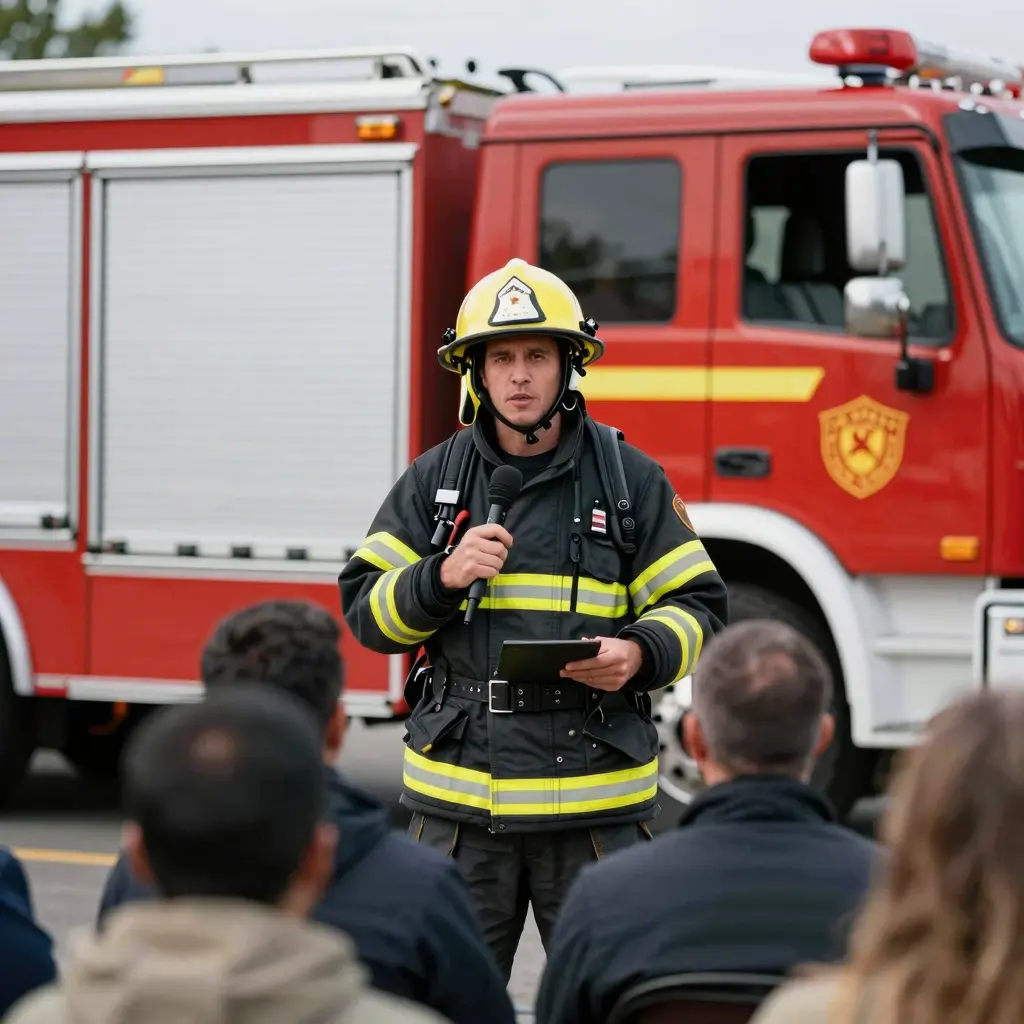
This imagery encapsulates the commitment and dedication of fire departments towards utilizing state-of-the-art equipment for ensuring public safety.
Conclusion: The Importance of Investing in Quality Fire Rescue Truck Equipment
In the world of emergency response, the equipment used by fire rescue teams can mean the difference between life and death. Investing in high-quality fire rescue truck equipment not only ensures the safety of your firefighters but also enhances the efficiency and effectiveness of your operations. As the risks and complexities of emergencies continue to evolve, it is vital that your team has access to the best tools available.
Quality fire rescue truck equipment can include advanced tools such as hydraulic rescue tools, thermal imaging cameras, and efficient water delivery systems. These tools not only help in effective fire suppression but also in swift rescue operations during critical incidents. Investing in reliable equipment thus not only fulfills a duty of care towards your team but also instills confidence in the communities you serve.
Additionally, with technological advancements, staying updated with the latest equipment can yield significant operational benefits. For example, many modern fire trucks come equipped with better maneuverability features and onboard technology that supports data collection and analysis, leading to improved decision-making during emergencies.
Moreover, regular training on this equipment can also significantly improve response times and overall safety. It is crucial to partner with trusted manufacturers who prioritize quality and innovation.
As a business owner in the emergency services industry, consider the long-term investment in your fire rescue truck equipment as a commitment to quality service and public safety. When it comes to choosing the right equipment for your fire department, it’s essential to do thorough research and select suppliers who understand your specific needs.
To ensure you are equipped with the best, contact Zoomlion today for more information about their innovative fire rescue truck solutions. Partnering with a reliable supplier can significantly impact your operational readiness and enhance the service you provide to your community.
For more insights about the best practices and equipment used in fire rescue operations, explore our equipment guide.
Equipment Distribution in Fire Rescue Trucks
Understanding the distribution of various equipment types in fire rescue trucks is crucial for businesses involved in emergency response services. Below is a doughnut chart that visually represents the proportion of different types of equipment typically found on these trucks.
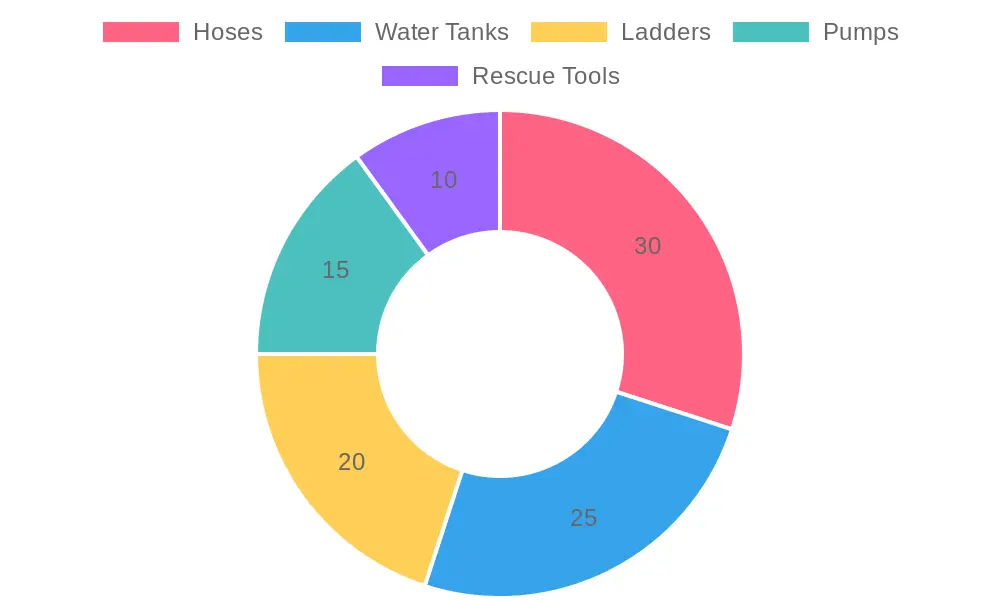
Equipment Distribution Breakdown
| Equipment Type | Description | Proportion | Source |
|---|---|---|---|
| Hoses | Used for water delivery | 30% | Firemap |
| Water Tanks | Storage for firefighting water | 25% | Firemap |
| Ladders | For accessing heights | 20% | Firemap |
| Pumps | Used to pressurize water | 15% | Firemap |
| Rescue Tools | For extrication and rescue | 10% | Firemap |
This chart allows business owners and decision-makers to quickly grasp which equipment is most prevalent and essential in fire rescue operations, assisting them in inventory management and resource allocation.