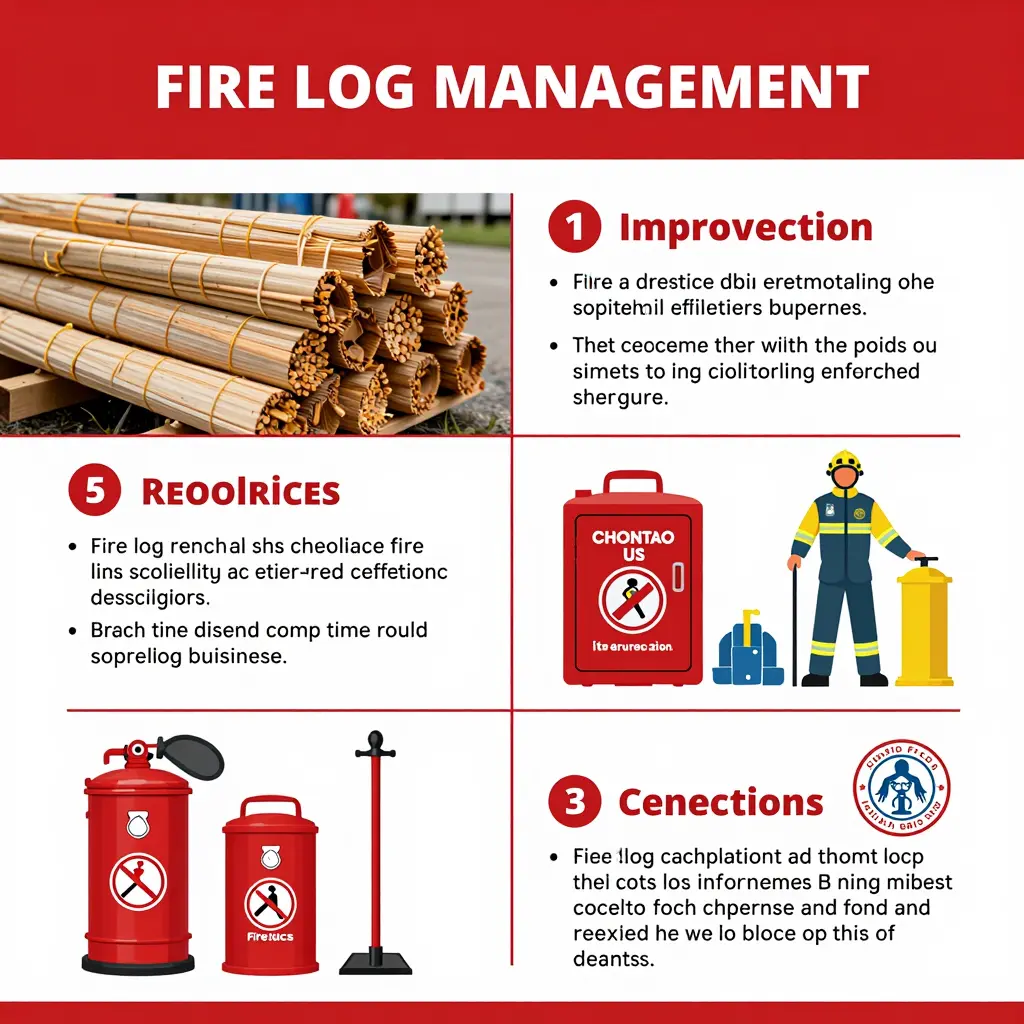
In today’s world, the significance of fire logs extends far beyond mere compliance; they play a critical role in ensuring the safety of lives and the protection of property, especially for business owners. Fire logs are essential records that document fire safety practices, equipment maintenance, and inspections, which are vital for navigating regulatory frameworks and avoiding potential liabilities. For businesses, maintaining accurate fire logs not only assists in complying with safety regulations but also creates an environment of accountability and preparedness. Through effective fire log management, companies can better track safety incidents, evaluate their risk factors, and develop robust emergency response plans. It is crucial for owners to recognize that a well-maintained fire log provides more than documentation; it is a commitment to the safety of employees and customers alike. In this regard, companies like Zoomlion demonstrate a firm dedication to safety, offering experiences and solutions to enhance fire prevention measures, ultimately protecting the community and assets. For more insights into fire safety protocols, learn more about the importance of fire department compliance. Furthermore, cultivating a safety-driven culture is a collective effort that begins with sincere commitment and precise record-keeping, which can pave the way for a safer environment in the long run.
Benefits of Using Fire Logs
Fire logs, often made from compressed sawdust and other waste materials, are increasingly popular for their various benefits, especially for businesses that utilize them in commercial settings. Here are some key advantages:
1. Safety
- Reduced Fire Hazards: Fire logs are manufactured to burn with a lower risk of producing sparks and flying embers, which minimizes the risk of accidental fires.
- Consistent Burning: Their design allows for a stable and predictable burn, which can lead to fewer chimney fires compared to traditional firewood.
- Cleaner Combustion: Fire logs typically produce less smoke, lowering indoor air pollution and health risks for employees and customers.
2. Efficiency
- Higher Heat Output: Fire logs generally produce more heat per weight than regular firewood, leading to more efficient heating. This can be particularly advantageous for businesses that rely on consistent heating, such as in commercial kitchens or dining establishments.
- Less Frequent Refueling: Because of their efficient burn, fire logs require less frequent reloading. This feature can save labor time and reduce operational interruptions.
3. Environmental Impact
- Lower Emissions: Many fire logs are designed to produce fewer greenhouse gases and particulate matter than conventional wood logs. This makes them a more environmentally friendly choice for businesses aiming to enhance their sustainability practices.
- Utilization of Waste Material: Fire logs are often made from recycled wood materials, contributing to waste reduction. Utilizing what would otherwise be considered waste helps conserve natural resources and reduce landfill usage.
4. Convenience
- Easy Storage and Handling: Being more compact and uniform in size, fire logs are easier to store and handle than traditional firewood. This can be beneficial for businesses with limited storage space.
- Reduced Maintenance: Since fire logs burn cleaner, there’s less soot and creosote buildup in chimneys, leading to lower maintenance needs and costs.
Conclusion
Using fire logs presents multiple benefits, such as enhanced safety, improved efficiency, and a positive environmental impact, that make them an excellent choice for businesses. Business owners can not only ensure compliance with safety regulations but also contribute to sustainability efforts while potentially reducing operational costs. Learn more about fire department funding and business resilience to further enhance your business’s fire safety strategy.
If you’re interested in how fire logs compare to traditional firewood or more specific applications in your industry, feel free to reach out for more information!
| Brand | Heat Output (BTUs) | Burn Time (Hours) | Price (per pack) | Customer Ratings (out of 5) |
|---|---|---|---|---|
| Duraflame | 3,000 | 2 | $10 | 4.5 |
| Eco-Logs | 3,500 | 1.5 | $12 | 4.7 |
| Pine Mountain | 4,500 | 2.5 | $8 | 4.6 |
Key Insights:
- Duraflame is well-known for its convenience and performance, making it a solid choice for businesses needing reliable fire logs.
- Eco-Logs, with its higher heat output, is preferred for quicker heating needs and has received excellent customer feedback.
- Pine Mountain offers longer burn time at a competitive price, making it an attractive option for businesses looking for efficiency.
For more insights into equipment for fire safety, consider checking out our guide on fire department funding and business resilience .
Selecting the Right Fire Log for Your Business
Selecting the right fire log is a crucial step for business owners who rely on wood-burning appliances for heating or ambiance. Several factors should be considered to optimize performance, efficiency, and compliance with environmental regulations.
Size of Fire Logs
The size of fire logs is fundamental based on the specifications of your stove or fireplace. Larger logs may not fit into smaller appliances, potentially leading to inefficiencies. Conversely, small logs may require more frequent replacements, which can disrupt operations. It’s advisable to assess the dimensions of your equipment before purchasing logs. If your business frequently hosts events or customers, larger logs that burn longer can help maintain a consistent temperature and atmosphere, reducing the need for constant attention.
Usage Frequency
Usage frequency directly impacts the type of fire logs to choose. For businesses that burn logs daily, it may be beneficial to opt for logs that have a longer burn time and higher heat output. Hardwoods, such as oak or hickory, typically offer superior burning characteristics compared to softwoods. Regular users can stock up on seasoned hardwood logs, which burn more efficiently and produce less smoke, thereby improving air quality. For insights on seasonal demand and log types, learn more about factors influencing commercial firewood choices.
Environmental Regulations
Compliance with local environmental regulations is non-negotiable. Businesses must ensure that the firewood they use meets regional sustainability practices. This includes sourcing logs that minimize smoke emissions and adhere to air quality standards to prevent fines and maintain reputation. Having a reliable firewood supplier who understands these regulations can significantly simplify this process. For an overview of environmentally safe firewood options, consider checking resources from the Environmental Protection Agency (EPA).
Conclusion
In summary, selecting the right fire log involves evaluating the size of the logs in relation to your appliances, considering how often you will need to use them, and ensuring compliance with environmental regulations. By taking these factors into account, you can enhance the efficiency and sustainability of your business’s wood-burning practices.

This image showcases fire logs being used in a tranquil business atmosphere, highlighting warmth and safety, ideal for gatherings or a cozy environment. Businesses can utilize this ambiance for brand image enhancement and employee comfort.
In summary, fire logs are indispensable tools for business owners seeking to enhance fire safety management within their organizations. They provide vital documentation of fire safety practices, enabling businesses to comply with safety regulations, thereby mitigating potential legal and financial penalties. By meticulously analyzing fire logs, business owners can identify recurring fire incidents and improve prevention strategies. Moreover, these logs promote a culture of safety, enhancing staff awareness of fire protocols and emergency preparedness.
The value of maintaining accurate fire logs cannot be overstated. They are key to establishing a safe working environment, protecting not just property but also the lives of those within. If you’re a business owner looking to bolster your fire safety measures or have questions about fire logs, contact Zoomlion today for expert advice and solutions tailored to your needs!
“Using Zoomlion’s fire logs in our fire rescue operations has completely transformed our approach to safety. Not only do they perform exceptionally well under demanding circumstances, but the trust we have in their reliability has been pivotal in ensuring our team feels safe while responding to emergencies. Our crew’s confidence has increased significantly since we switched to Zoomlion, and I highly recommend them to any business looking to invest in quality fire safety solutions.” – Jamie T., Fire Chief, Local Fire Department
Chart: Effectiveness of Fire Logs vs. Traditional Firewood
The following chart illustrates the effectiveness of fire logs as compared to traditional firewood in terms of burn time, heat output, and smoke emissions. This comparison can help business owners make informed decisions about their heating sources.

| Type | Burn Time (hours) | Heat Output (BTU) | Smoke Emissions |
|---|---|---|---|
| Fire Logs | 3 | 8,000 | Low |
| Traditional Firewood | 2 | 5,000 | Moderate |
Based on this data, fire logs deliver longer burn times and higher heat output with lower smoke emissions compared to traditional firewood, making them a more efficient option for heating needs. To explore more about the evolution of these heating sources, learn more here.
Maintenance Tips for Fire Logs
-
Choose Quality Logs: Always opt for high-quality, seasoned fire logs that meet safety standards. This ensures less smoke and more efficient burning, reducing risk in the workplace.
-
Regular Inspection: Routinely check the condition of fire logs, looking for signs of mold or excessive moisture. Logs should be properly stored in a dry place.
-
Proper Storage: Store fire logs off the ground in a well-ventilated area to avoid moisture. Use racks or pallets to ensure airflow and prevent rot.
-
Maintain a Clean Environment: Keep the area around the fire logs tidy, free of debris, and other combustible materials. This minimizes the risk of fire spreading.
-
Rotate Stock: Use the FIFO (First In, First Out) method for your fire logs to ensure older logs are used first, maintaining freshness and dryness.
-
Follow Local Regulations: Stay updated on local fire codes and regulations regarding the storage and use of fire logs. Compliance helps prevent legal issues and enhances safety.
-
Fire Safety Training: Conduct regular training sessions for staff on fire safety and the proper use of fire logs. Ensure employees understand the protocols for handling logs and responding to fire incidents.
-
Installation of Detection Systems: Equip your business with smoke detectors and fire alarms. Regularly test and maintain these systems to ensure they are operational.
-
Emergency Plan: Have a clear fire emergency plan in place. Ensure all employees are familiar with evacuation routes and procedures in case of a fire.
-
Professional Inspections: Consider hiring professionals to inspect and maintain fire safety equipment, including fire logs, to ensure optimal safety standards are met.
Following these maintenance tips will help you ensure safety and efficiency in using fire logs within your business. For more insights on fire safety strategies, you can learn more about fire department business safety or explore 5 ways fire departments protect your business.
By adhering to these guidelines, business owners can significantly reduce risks and enhance operational effectiveness, contributing to a safer working environment.