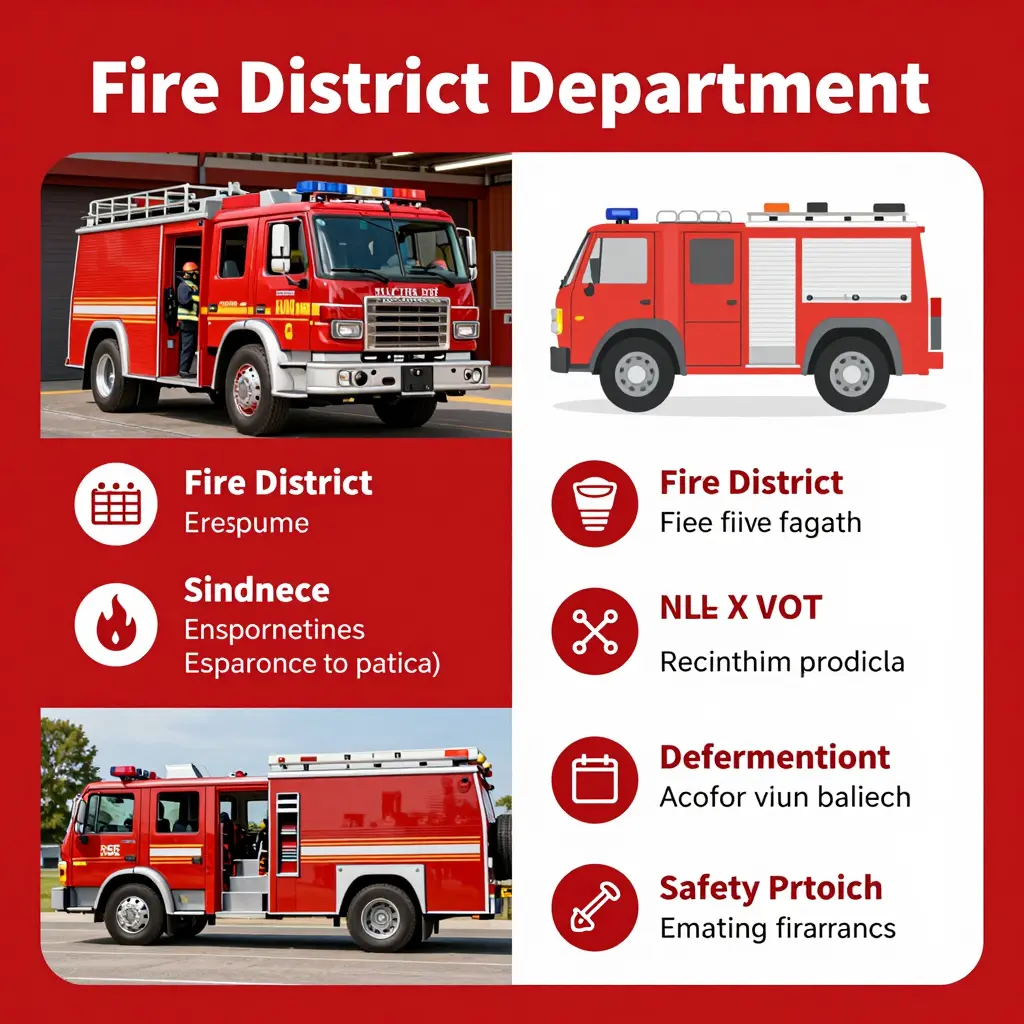
In an era marked by rapid changes and increased demands on public services, fire department consolidation has emerged as a crucial strategy for enhancing efficiency and effectiveness in emergency response. For business owners, this topic carries significant weight; a well-functioning, consolidated fire department can dramatically reduce response times during emergencies, safeguard property, and ensure the safety of employees. As municipalities explore the benefits of uniting resources-such as personnel, equipment, and training-business owners can gain assurance that their investments and workforce are protected. Moreover, the financial advantages of consolidation can lead to better funding for fire services, ultimately reinforcing the resilience of the community as a whole. Understanding the dynamics of fire department consolidation not only helps business owners protect their assets but also positions them to engage actively in discussions about local safety initiatives. For a deeper dive into how funding and community collaboration shape these strategies, learn more about fire department funding.
Benefits of Fire Department Consolidation for Business Owners
Fire department consolidation involves merging multiple fire departments into a single entity, and this approach offers several key benefits, particularly for business owners. The focus here is on cost efficiency and improved response times, which are critical aspects for businesses of all sizes.
1. Cost Efficiency
Consolidation of fire departments can lead to significant cost savings. By sharing administrative services, resources, and equipment, operational costs can be reduced. This means lower taxes and fees for business owners, freeing up resources that can be utilized for growth and investment. Shared staffing and centralized training also contribute to diminished expenses.
2. Improved Response Times
When fire departments consolidate, they can achieve better resource distribution and allocate fire trucks and personnel more effectively across the consolidated area. This enhanced coordination often results in quicker emergency response times, crucial for businesses that may face fire risks. Rapid responses not only mitigate damage but can also save lives.
3. Streamlined Operations
A unified command structure facilitates faster decision-making and coordinated responses to emergencies. This is essential during a crisis, where time is of the essence. With streamlined communication and procedures, business owners can rest assured that their safety and that of their employees is prioritized.
4. Enhanced Training and Resources
Consolidation allows for centralized training programs and resources, ensuring that all firefighters have access to the best possible education and tools. This improvement in training leads to better preparedness for fire emergencies, which is vital for the safety of businesses and communities. Well-trained personnel can execute more effective fire prevention strategies, further safeguarding business assets.
5. Resource Sharing
Merging fire departments enables the sharing of specialized equipment and personnel. For instance, instead of each department investing in costly fire apparatus, they can share high-capacity pumps, ladder trucks, and other vital resources. This optimizes equipment usage and enhances service delivery without the heavy financial burden on individual departments.
In conclusion, fire department consolidation represents a strategic approach that not only benefits emergency services but also significantly supports the interests of business owners. Reduced costs, enhanced safety, improved response times, and better resource management create a solid foundation for thriving businesses. Learn more about fire department funding and business resilience and consider how consolidation might positively impact your local community!
Key Insights on Successful Fire Department Consolidation
1. Cost Efficiency and Resource Optimization
Many fire departments that have successfully consolidated report significant cost savings. Merging departments eliminates redundancy in administrative functions and improves overall efficiency, resulting in operational costs decreasing and better resource allocation for front-line services.
2. Improved Response Times
Consolidated fire departments are often better positioned to respond to emergencies due to increased personnel and optimized equipment distribution, significantly reducing travel times.
3. Enhanced Training and Professional Development
Consolidation allows for shared training programs, elevating skill levels across all personnel, leading to standardization of protocols and collaborative learning opportunities.
4. Community Engagement and Support
Successful consolidations involve robust community engagement efforts, leading to increased trust and lower insurance premiums for the community.
Example Success Stories
- Indianapolis, IN: Improved emergency response times and heightened community safety.
- York County, PA: Better resource utilization and service delivery through consolidation.
Testimonials from Local Business Owners
- “The consolidation has made our community safer, and we feel more secure knowing there’s a consolidated force ready to respond.”
- “Reduced response times have made a tangible difference in safety. As a business owner, knowing there’s efficient fire coverage is crucial.”
Conclusion
Fire department consolidations can lead to vast improvements in efficiency, community safety, and service delivery.
Challenges of Fire Department Consolidation
Fire department consolidation refers to the merging of two or more fire departments into one entity. While this can lead to improved efficiency and resource sharing, it also presents a array of challenges that business owners may need to consider:
1. Response Times and Service Levels
Business owners often fear that consolidation might lead to slower response times during emergencies. When departments merge, resources and manpower may need to be redistributed, potentially impacting how quickly firefighters can reach a business in distress.
2. Resource Allocation
The allocation of resources in a consolidated fire department may not prioritize the unique needs of individual communities or businesses. Owners may worry that their specific risks and needs might not receive adequate attention, leading to inadequate fire protection measures tailored to their operational needs.
3. Increased Costs
While consolidation is often touted for its potential to save money, the upfront costs of merging services can be high. Business owners might be concerned about rising taxes or fees associated with maintaining service levels during and after the transition. It may also require additional funding for training and upgrading equipment.
4. Loss of Local Control
Before consolidation, businesses often have direct input into the local fire department’s operations. With a merged organization, business owners may feel a loss of control over local safety strategies, which may make it difficult to address specific fire hazards unique to their business area.
5. Employee Morale and Expertise
Consolidation may lead to uncertainty regarding job security for firefighters, potentially impacting morale and the level of service provided. Business owners rely on competent professionals who are familiar with their community; a change in personnel can disrupt this familiarity and expertise.
6. Political and Community Resistance
There can be significant pushback from the community or from local firefighters themselves regarding consolidation. Resistance can lead to political challenges that complicate the transition. For business owners, the external perception and political climate can affect their operations and engagement with local services.
Conclusion
While fire department consolidation can offer benefits such as efficiency and improved funding, business owners must weigh these against potential challenges. Engaging in discussions about consolidation efforts and addressing concerns during public forums can help ensure that their voices are heard. Understanding these dynamics can help shape a more balanced view of fire department operations moving forward.
For more insights on fire department operations and their impact on business safety, learn more about funding strategies and fire district versus fire department.
If you have further inquiries or need more specific data, feel free to ask!
By acknowledging and addressing these challenges, business owners can better prepare for the potential impacts of fire department consolidation on their operations and communities.
Cost Comparison Between Separate and Consolidated Fire Departments
When business owners consider the operational costs of fire services, it’s essential to recognize the potential savings available through consolidation. Below is a comparison of the costs of maintaining separate fire departments versus a consolidated fire department:
| Department Type | Average Annual Operating Cost | Administrative Costs | Total Costs | Potential Savings | Savings Percentage |
|---|---|---|---|---|---|
| Separate Departments | $1,500,000 | $300,000 | $1,800,000 | – | – |
| Consolidated Department | $1,200,000 | $210,000 | $1,410,000 | $390,000 | 22% |
Key Takeaways:
- Total Savings: Consolidation can lead to savings of $390,000, which is approximately 22% less than the total operating costs of separate departments.
- Reduction in Administrative Costs: By merging departments, business owners can also benefit from a reduction in administrative expenses, leading to better allocation of resources.
Understanding these financial implications is crucial for business owners considering the value-added services that come with efficient fire department operations. For more insights, you can learn about fire department funding or explore the differences between fire districts and fire departments.

Legal Considerations for Fire Department Consolidation
Fire department consolidation is a significant move that can impact various stakeholders, including business owners. Understanding the legal implications of this process is crucial for businesses, as it can affect their operational, financial, and safety frameworks. Below, we outline the primary legal considerations that business owners should be aware of:
1. Shifts in Legal Liability
When fire departments consolidate, the liability landscape can change. Business owners should be aware that:
- Insurance Policies: The consolidation may influence liability insurance coverage. Businesses might need to review their policies to ensure they are adequately protected if response times change or the scope of services offered by the fire department is modified.
- Public Service Standardization: A unified fire department may alter existing standards of service, which might be legally binding. Businesses may need to adjust their operations based on the new compliance requirements that come from the consolidation.
2. Impact on Response Times
Consolidation usually aims to improve efficiency, but it can lead to varying results:
- Response Time Changes: With a merged department, certain areas may experience decreased or increased emergency response times. Businesses located in regions with slower response times could face higher risks, possibly influencing insurance rates and liability for fire-related incidents.
- Emergency Preparedness Plans: Business owners should reassess their emergency plans in light of potential changes in response times. This includes ensuring that fire safety measures align with the newly established norms.
3. Zoning and Compliance Changes
The consolidation of fire departments can lead to revisions in local laws and compliance measures:
- Zoning Laws: Merging departments may necessitate changes in zoning, particularly if certain buildings or operational practices are deemed unsafe under new fire safety requirements. Business owners must remain informed about these updates to ensure compliance.
- Local Regulations: Consolidations often lead to the harmonization of regulations between merging departments. As a result, businesses may have to adapt to new compliance standards that could impact their daily operations.
4. Economic Considerations
While the goal of consolidation is often to reduce costs, the implications can vary:
- Taxation and Funding: Merging departments may impact funding models. This could lead to adjustments in local taxes for businesses, either through increases or decreases depending on the efficiency of the consolidated department.
- Long-Term Economic Viability: The quality of fire services directly affects local economic conditions. Should service quality decline due to consolidation efforts aimed at cost-saving, the broader economic growth of the area could stagnate, affecting business stability.
5. Consultation and Guidance
Given the complexities surrounding fire department consolidation:
- Seek Expert Advice: Businesses are encouraged to consult with legal professionals who specialize in municipal law to navigate the changes effectively.
- Stay Informed: Engaging with local government officials and attending community meetings can provide insights into how consolidations are being managed and their implications for your business.
In summary, the legal implications surrounding fire department consolidation are multi-faceted, affecting liability, compliance, and economic viability for businesses. By remaining informed and proactive, business owners can better prepare for these changes and ensure their operations remain compliant and secure.
For further reading on fire department regulations, you may find this article on fire district vs. fire department useful. Additionally, understanding how fire department funding relates to business resilience can be explored further here.
This piece provides a comprehensive overview of the legal considerations that business owners should keep in mind regarding fire department consolidation, ensuring they are strategically prepared for any changes that may arise.
Insights on Fire Department Consolidation
Consolidation of fire departments has been a hot topic among fire service leaders, highlighting both potential advantages and the challenges that come along with it. Many fire chiefs emphasize how consolidation can lead to improved efficiency, better response times, and cost savings.
As Fire Chief McAlister noted in a recent CBS San Francisco article:
“Previously, we were even using resources from central Contra Costa that had to surge into Antioch and Pittsburg and then surge into far east. So there is a huge benefit even for central county residents that the far east county can now stand on its own.”
This statement reflects the inherent goal of consolidation: to streamline operations and enhance service delivery across jurisdictions. However, it’s also crucial to recognize that challenges such as funding issues, cultural integration, and resistance from staff can arise. Addressing these challenges requires clear communication strategies to ensure community engagement and support during the transition.
Fire chiefs also highlight the importance of a thorough assessment of community needs to mitigate fears and develop a strategy that benefits all stakeholders involved. In Emergency Management Magazine, fire chiefs discuss these barriers, emphasizing that successful consolidation involves not just merging operations but fostering a collaborative culture within the new entity.
Average Response Times Before and After Consolidation
Fire department consolidation often aims to improve operational efficiency, particularly regarding response times. In this context, we examine the average response times before and after consolidation initiatives.
Data Overview
Here’s a comparison of average response times:
| Stage | Average Response Time (minutes) |
|---|---|
| Pre-consolidation | 8 |
| Post-consolidation | 6 |
The chart below visually represents these findings:

This data shows a significant improvement in average response times, highlighting the effectiveness of consolidation efforts in enhancing service delivery.
Learn more about fire department funding and business resilience to understand the broader implications of such changes.
Conclusion
As demonstrated, the consolidation of fire departments can lead to improved response times, providing better safety and service to communities.
Conclusion
In summary, the consolidation of fire departments presents significant benefits for business owners, including increased efficiency, improved resource allocation, and enhanced service delivery. By merging resources and capabilities, consolidated departments are better equipped to handle emergencies, thereby ensuring quicker response times and reduced risk for local businesses.
Moreover, effective funding and resource management play a critical role in maintaining viable fire services. A well-funded fire department is not just a safeguard against fires; it also serves as a pillar of support for the entire community’s resilience. Studies have shown that communities with strong fire services experience fewer incidents of loss, which translates into greater peace of mind for business owners.
As a business owner, collaborating with consolidated fire departments can improve your operational continuity and safeguard your property. Don’t wait – contact us today to discuss your needs, request a quote, or learn more about how we can support your mission to protect lives and property. For more insights on fire department operations, explore our blog on fire district vs fire department or check out our comprehensive guide on fire department funding for business resilience strategies.
Investing in a solid partnership with your local fire department not only enhances safety and compliance but ultimately contributes to the longevity and success of your business. Reach out today – let’s work together to ensure a safer future for your community!