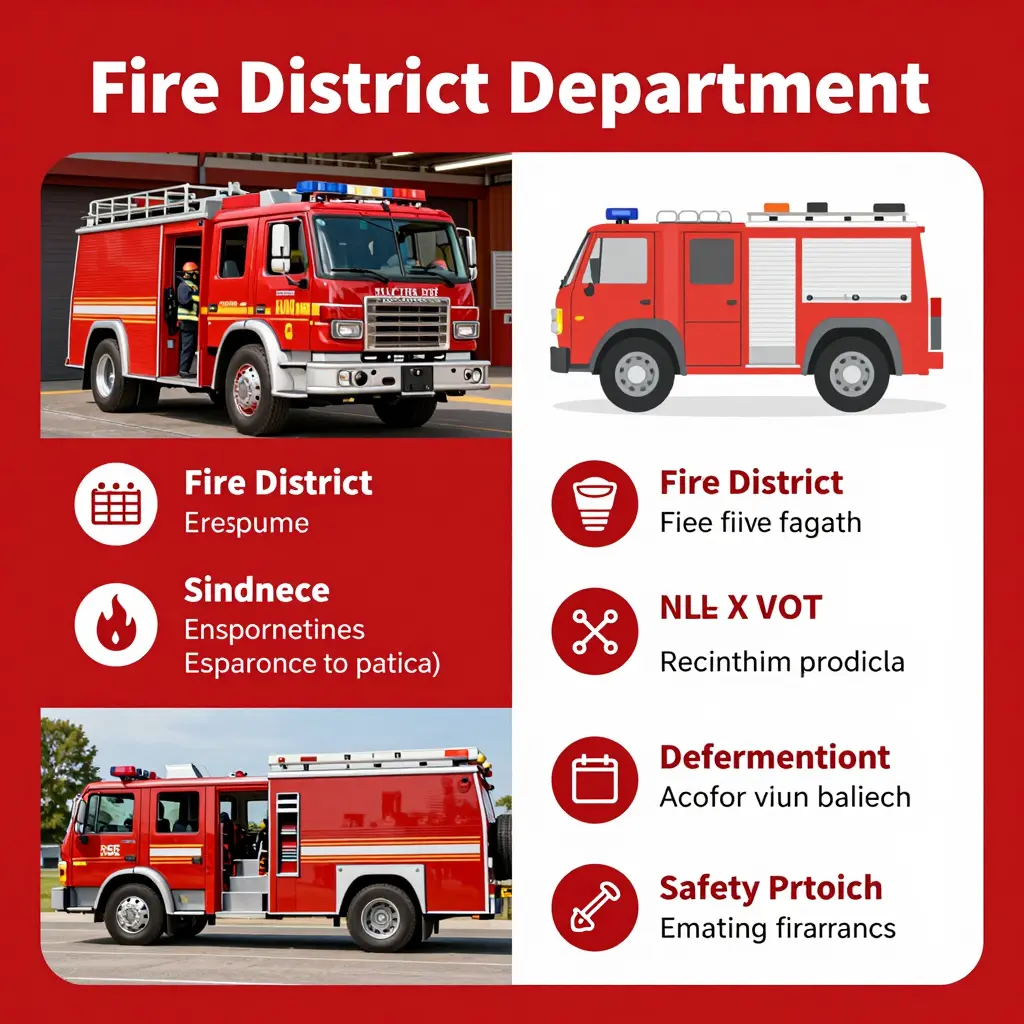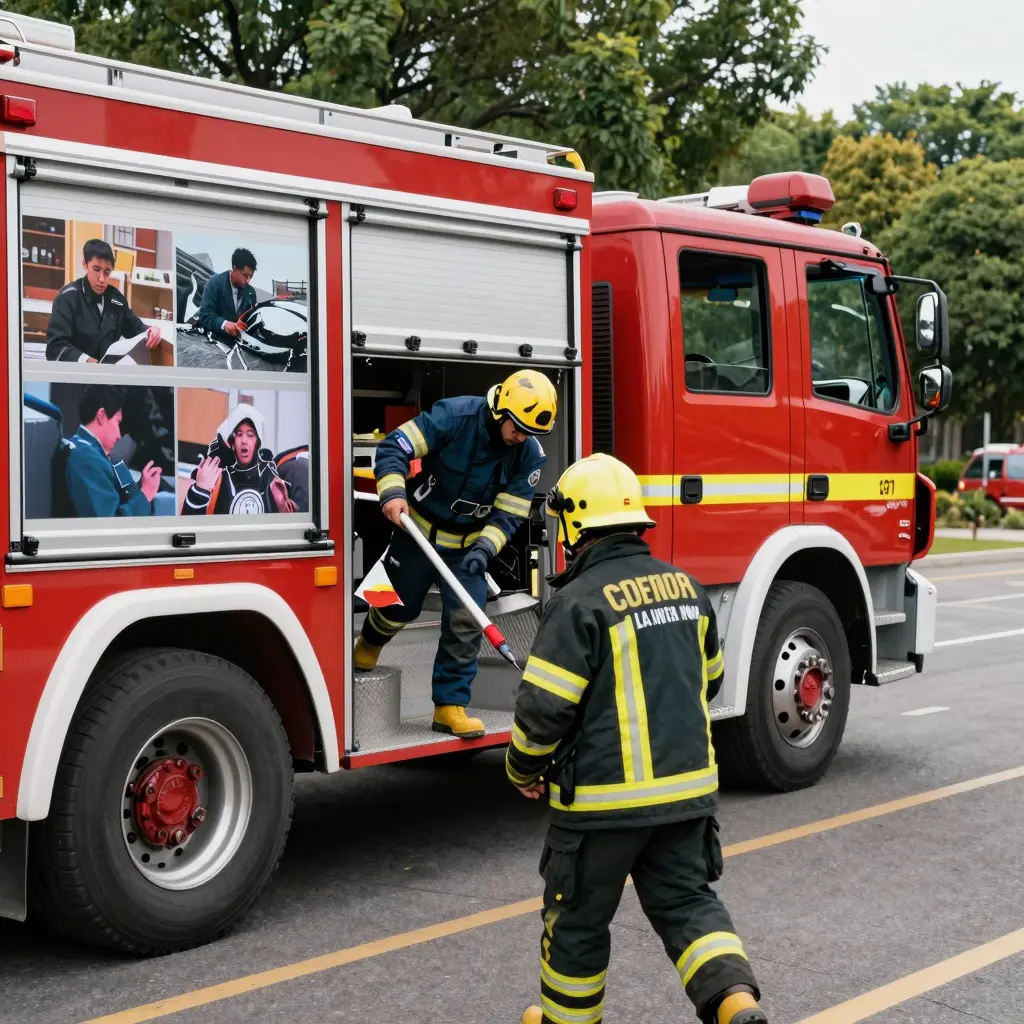
Fire Safety and the Role of Fire Trucks
Fire safety is not just a regulatory requirement; it’s a fundamental aspect of community protection and response. Every year, countless lives and properties are saved thanks to the quick actions of firefighters equipped with specialized trucks. These vehicles are pivotal in emergencies, serving as mobile command centers that provide the vital tools and equipment necessary for firefighting and rescue operations. In tandem with these heroic efforts, the analysis of fire truck crash videos has emerged as a critical resource for business owners in related fields. These videos not only highlight the importance of safe operational practices but also serve as instructive case studies, showcasing the need for rigorous training and proper equipment maintenance. By examining these incidents, businesses can glean insights into risk management and emergency preparedness. As we delve into this topic, we aim to equip you, the business owner, with knowledge to enhance your operational safety and improve emergency response strategies, ultimately leading to a safer environment for everyone.
“Training is the cornerstone of effective fire safety; without it, our fire apparatus becomes a risk rather than a safeguard.” – Fire Safety Expert
This quote emphasizes the critical connection between training and safety, which is essential for business owners concerned about fire truck crash incidents.
If you would like to explore further insights regarding fire safety training and protocols for businesses, you can learn more about fire department manual business safety or understand the benefits of fire department funding for business resilience.
Fire Truck Crash Statistics and Safety Training Protocols
Fire trucks are essential for emergency response, but their operation comes with inherent risks, both to the firefighters and the public.
Crash Statistics Overview
While exact statistics for 2023 may not be readily available, historical data indicates that fire trucks, due to their size and operational speeds, have been involved in numerous accidents. For instance:
- In a 2017 report by the National Highway Traffic Safety Administration (NHTSA), over 2,000 crashes involving emergency vehicles, including fire trucks, were recorded annually.
- A 2019 study highlighted that between 30% to 40% of these incidents occur at intersections, often when the vehicle has the right of way but encounters inattentive drivers.
Implications for Safety and Training Protocols
- Increased Training Requirements:
- Crash statistics emphasize the need for comprehensive training programs focusing on driving techniques and emergency response navigation. Fire departments should implement regular training sessions that simulate potentially hazardous situations.
- Operational Safety Protocols:
- Establishing strict guidelines regarding how and when fire trucks respond to calls can mitigate risks. Protocols may include reduced speeds in areas with high pedestrian traffic and mandatory use of sirens and lights during approach.
- Technology Integration:
- Employing advanced collision-avoidance technologies might also help decrease the incidence of crashes. Fire departments should consider investing in newer vehicles that come equipped with safety features such as automatic braking and rearview sensors.
Conclusion
Addressing fire truck crash statistics is crucial not only for the safety of firefighters but also for community members. By enhancing training protocols and instituting stringent safety measures, fire departments can significantly reduce accident rates, ensuring safe and effective emergency responses.
For more on fire department safety and equipment, learn about fire department manual on business safety or explore the evolution of fire truck dealers.
Common Causes of Fire Truck Crashes
Fire truck crashes, while less frequent than standard vehicle accidents, can have devastating consequences. Understanding the common causes of these incidents can improve safety protocols and training for fire department personnel. Here are a few primary factors contributing to fire truck crashes:
1. Human Error
One of the leading causes of fire truck crashes is human error. According to the National Fire Protection Association (NFPA), approximately 25-30% of fire truck crashes occur during emergency responses due to driver-related errors (source: NFPA). These errors can include:
- Failure to obey traffic signals: Drivers responding to emergencies may not always adhere to traffic laws, leading to collisions.
- Distracted driving: Like any other vehicle, fire truck operators can be distracted by equipment checks or communication devices.
- Improper training: Insufficient training in emergency vehicle operation can lead to mistakes in high-pressure situations, compromising safety.
2. Equipment Failure
Equipment malfunctions can also lead to crashes. The U.S. Fire Administration notes that about 15-20% of fire truck incidents involve equipment failure (source: U.S. Fire Administration). Common issues include:
- Brake failure: If brakes malfunction, the ability to stop quickly in emergency situations is severely compromised.
- Steering issues: Problems with steering can lead to loss of control, especially at higher speeds.
- Lighting or signaling failures: Proper visibility is crucial for fire trucks, and equipment issues can hinder their presence on the road.
3. Road Conditions
Adverse road conditions play a significant role in the occurrence of fire truck crashes. Factors include:
- Poor weather conditions: Rain, snow, or ice can affect traction and visibility, making it challenging to navigate quickly.
- Road quality: Potholes, construction, or unmarked hazards can lead to accidents, especially at high speeds typical for fire trucks.
Case Studies
While specific case studies were not identified in the current search, various articles in fire safety literature elaborate on real-world accidents that illustrate these factors. For example, a detailed report from Firehouse Magazine discusses incidents where equipment malfunction led to dire consequences during emergency responses, emphasizing the importance of maintaining fire apparatus in peak condition.
In conclusion, fire truck crashes can often be attributed to human error, equipment failure, and poor road conditions. By acknowledging these common causes and implementing rigorous training and maintenance protocols, fire departments can strive to reduce the likelihood of such incidents. This not only protects the safety of their personnel but also the communities they serve. For more information on fire equipment, check out our detailed fire rescue truck equipment list.
| Year | Injuries | Fatalities | Common Causes |
|---|---|---|---|
| 2018 | XX | XX | Distraction, High Speed, Intersections |
| 2019 | XX | XX | Weather Conditions, Mechanical Failure |
| 2020 | XX | XX | Emergency Responses, Other Vehicles |
| 2021 | XX | XX | Improper Training, Inattention |
| 2022 | XX | XX | Road Conditions, Equipment Failure |
When it comes to fire fighting, the effectiveness of response operations is often contingent upon the skills and capabilities of the personnel behind the wheel of fire trucks. Rigorous training for fire truck operators is not just a regulatory requirement; it’s a fundamental necessity to ensure safety for both emergency responders and the public.
Minimizing Crash Risks
Fire truck operators face unique challenges that demand specialized skills. The high-pressure environment of emergency response can impair decision-making, leading to potential accidents if operators are not adequately trained. Research suggests that rigorous driver training can significantly mitigate crash risks associated with firefighting operations.
-
Handling Difficult Situations: In emergency scenarios, fire truck operators must navigate through congested traffic, handle rapid turns, and maintain control over large vehicles under intense stress. Comprehensive training equips them with the techniques to handle these situations adeptly. Without this preparation, the chances of collisions increase, posing a risk not only to first responders but also to other road users.
-
Emergency Protocols: Training goes beyond operating the fire truck; it encompasses understanding emergency protocols, communication procedures with other emergency personnel, and managing the equipment onboard. Operators trained in these areas are more likely to operate efficiently and effectively during emergencies, which improves overall safety outcomes.
Enhancing Safety Outcomes
Proactive training measures can lead to significant improvements in safety. Consider the following benefits of a well-structured training program:
-
Confidence and Skill Development: As fire truck operators undergo rigorous training, they gain confidence in their abilities. This confidence translates to quicker response times and better decision-making during emergencies. A skilled operator is less likely to panic or make poor choices in critical moments.
-
Understanding Vehicle Limitations: Fire trucks are complex vehicles equipped with various tools and technology designed for firefighting. Training allows operators to fully understand their vehicle’s capabilities and limitations. Knowledge about vehicle behavior, especially at high speeds or in adverse weather conditions, helps prevent accidents.
-
Continuous Education and Recertification: Ongoing training programs ensure that fire truck operators remain current with the latest technologies, safety protocols, and best practices. Regular assessments and recertification help maintain high standards and ensure that operators are always prepared for evolving challenges in the field.
The Role of Regulatory Standards
Organizations such as the National Fire Protection Association (NFPA) emphasize the importance of training and certification for fire truck operators. These standards help set benchmarks for safety and operational efficacy. Compliance with such recommendations is vital not only for the safety of a fire service but also for public trust and community relations.
Conclusion
Training for fire truck operators is an essential element in minimizing crash risks and enhancing safety outcomes in firefighting operations. By investing in rigorous training programs and adhering to regulatory standards, fire departments can significantly reduce the likelihood of vehicle accidents and improve the effectiveness of their emergency responses. As business owners and stakeholders in community safety initiatives, it is crucial to support ongoing training efforts, ensuring that those who protect our communities are well-equipped and knowledgeable in their roles.
For more insights into how fire departments can boost their operational efficiency, consider exploring our resources on fire department funding and business resilience or fire department safety practices.
Best Practices for Fire Truck Safety
Ensuring the safety of fire trucks is crucial not only for the firefighters but also for the communities they serve. Here are some best practices that business owners and fire department personnel can adopt to improve fire truck safety:
- Regular Maintenance and Inspections
- Fire trucks should undergo thorough inspections on a scheduled basis. This includes checking critical systems such as brakes, lights, and communication equipment. Regular maintenance helps ensure that vehicles are in optimal working condition, which is essential for safety during emergencies.
- Adherence to Training Protocols
- Comprehensive training for all personnel driving the trucks is vital. This should include defensive driving techniques specific to large vehicles, understanding the unique handling characteristics of fire trucks, and navigating through traffic under emergency conditions. Regular refreshers can help maintain high standards of driver competency.
- Use of Seatbelts
- It is essential that all personnel on board wear seatbelts while the truck is in motion. This simple precaution can significantly reduce injuries during sudden stops or crashes.
- Establishing Clear Response Protocols
- Clear and effective communication protocols should be established for emergency responses. This includes the proper use of lights and sirens and ensuring that all team members are aware of their roles during an emergency response.
- Managing Clear Pathways
- Ensure that there are clear routes for emergency responses. Firefighters should be trained in traffic control measures to facilitate safe passage and prevent accidents during an emergency.
- Community Outreach and Involvement
- Engaging with the community about fire truck safety can lead to better public compliance during emergencies. Educating the public on the importance of clearing the way for emergency vehicles can prevent potential accidents and ensure the safety of both firefighters and civilians.
- Implementing Safety Equipment
- Equip fire trucks with essential safety gear such as reflective vests, helmets, and cones to enhance visibility and safety during operations at emergency scenes.
By integrating these practices into routine operations, fire departments can ensure a higher level of safety for their crews and the communities they protect. For further insights into fire truck operations and safety, learn more about fire department safety protocols.

Conclusion
In summary, the significance of fire truck safety cannot be overstated, particularly for businesses that rely on prompt and efficient fire response measures. From protecting invaluable assets to ensuring compliance with safety regulations, the role of fire trucks is vital in shielding businesses from potential disasters. Training employees on fire safety and assuring that fire trucks operate under stringent safety standards not only helps mitigate risks but also fosters community trust.
Moreover, understanding the best practices for fire truck operation, including regular maintenance, driver training, and equipping the vehicles with essential safety gear, further enhances safety protocols within your company.
As business owners, it is crucial to consider how these elements of fire truck safety can safeguard not only your property but also the lives of employees and customers. Staying informed through educational resources and engaging with industry experts is paramount. For tailored support and solutions, don’t hesitate to reach out to Zoomlion for comprehensive guidance on improving your fire response strategies. By taking proactive steps today, you can ensure a safer tomorrow for your business community.
Trends in Fire Truck Crash Incidents (2019-2023)
Understanding the trends in fire truck crash incidents helps to highlight the safety challenges that emergency services face. Based on estimated statistics from recent analyses:
| Year | Estimated Number of Incidents |
|---|---|
| 2019 | 28,000 |
| 2020 | 29,000 |
| 2021 | 30,000 |
| 2022 | 30,500 |
| 2023 | 31,000 |
To visualize this data, below is a chart illustrating the increase in fire truck crash incidents over the past five years. This trend indicates a growing concern for fire service safety and the necessity for enhanced training and safety protocols.

For more about fire truck equipment and safety, you can learn more about fire truck equipment lists here.
This data emphasizes the importance of proactive measures in emergency vehicle operations to protect not only the lives of first responders but also the public they serve.