In the realm of emergency response, the ability to quickly and effectively assess a fire scene is crucial, particularly for business owners. Understanding fire scene size-up acronyms can provide a systematic approach to evaluating hazards and formulating an immediate action plan during a crisis. These acronyms not only help firefighters assess the situation rapidly but also empower business leaders to prioritize safety measures, minimize risk, and ensure compliance with emergency protocols. Familiarizing oneself with these terms allows business owners to communicate more effectively with emergency responders, fostering a collaborative environment that can ultimately save lives and protect property. As operations often press on amid fire emergencies, this knowledge becomes even more paramount for safeguarding interests. To delve deeper into strategies for improving emergency responsiveness and business resilience, consider exploring our articles on fire department funding for business resilience and the importance of fire escape regulations.
Key Fire Scene Size-Up Acronyms
Understanding fire scene size-up acronyms is vital for firefighters, especially during emergencies. Here are some of the most important acronyms used, along with their definitions:
-
S.L.I.C.E.R.S.
This acronym helps remember essential components to assess during a fire scene review: -
S: Size-Up
-
L: Location
-
I: Identification (of needs)
-
C: Command
-
E: Evacuation
-
R: Rescue
-
S: Safety
-
P.A.S.S.
Commonly known for operating fire extinguishers, it is also relevant in size-up to ensure proper action: -
P: Pull
-
A: Aim
-
S: Squeeze
-
S: Sweep
-
R.U.N.
This acronym assesses immediate demands on the scene: -
R: Risk
-
U: Urgency
-
N: Needs
These acronyms serve as quick reference tools aiding firefighters in efficiently evaluating fire scenes and ensuring safety. For related topics, you can learn more about firefighter safety and explore fire department resources.
Incorporating Acronyms into Emergency Planning for Business Owners
Acronyms play an essential role in emergency planning, especially when it comes to firefighting and rescue operations. Business owners can significantly benefit from understanding and applying these acronyms in their emergency response planning to streamline processes and improve safety.
Understanding Key Acronyms
One of the most vital acronyms to consider is RECEO-VS, which stands for:
- Rescue
- Exposures
- Containment
- Extinguishment
- Overhaul
- Ventilation
- Salvage
This systematic method guides responders in rapidly assessing a fire scene and prioritizing actions effectively.
Another important acronym is COAL WAS WEALTH, which represents:
- Construction
- Occupancy
- Apparatus
- Life Safety
- Weather
- Area
- Streets
- Water source
- Elevation
- Ladder
This acronym helps assess essential factors during the initial response, providing critical insights for effective incident management.
Steps for Incorporation
To integrate these acronyms into an emergency preparedness plan, business owners can take the following steps:
- Training: Hold training sessions for employees, introducing them to these acronyms. This should include simulations and practical drills to ensure familiarity and confidence.
- Create Reference Materials: Develop quick-reference charts or posters that include these acronyms and their meanings. Place these in strategic locations within the business premises.
- Implement Procedures: Integrate these acronyms into your emergency response procedures and ensure that they are addressed in your company’s emergency plans. Update policies regularly to reflect any changes or improvements.
- Regular Drills: Conduct regular drills that incorporate the use of these acronyms, so staff can practice using them in real-life scenarios.
- Partnership with Local Fire Departments: Establish relationships with local fire departments to gain further insights on how these acronyms can be tailored to your specific business needs. For more details on how fire departments can protect your business, learn more here.
Visual Representation
The chart below provides a visual representation of key acronyms used in fire scene size-up:
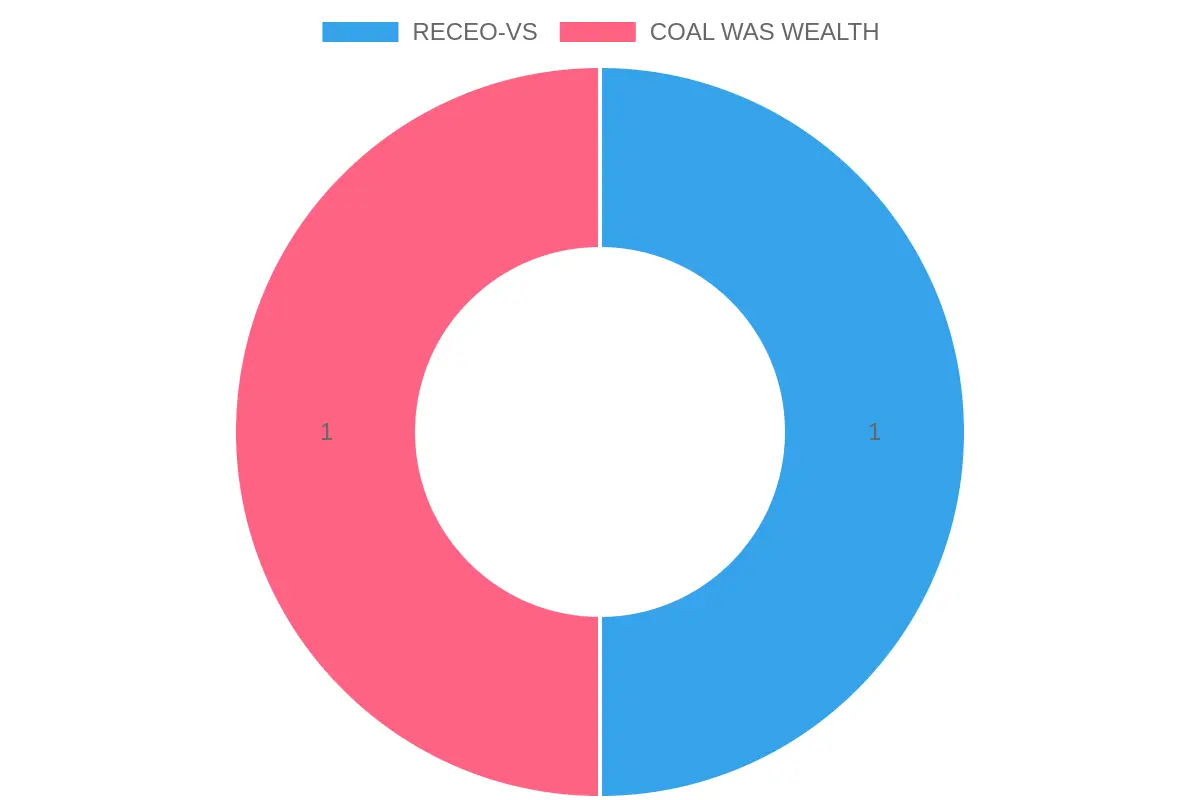
By carefully incorporating these acronyms into their emergency response planning, business owners can ensure that their teams are prepared to handle emergencies effectively and efficiently.
| Acronym | Full Meaning | Description |
|---|---|---|
| RECEO-VS | Rescue, Exposures, Confine, Extinguish, Overhaul, Ventilate, Salvage | A comprehensive size-up and action plan used by firefighters to address key priorities during fire incidents. It helps structure the approach from rescue to scene cleanup. |
| COAL WAS WEALTH | Construction, Occupancy, Apparatus & Access, Life Hazard, Water Supply, Auxiliary Appliances, Street Conditions, Weather, Exposures, Area, Location, Time, Height | This acronym assists firefighters in rapidly evaluating critical fire scene factors for better strategic planning and operational safety. |
| IDLH | Immediately Dangerous to Life or Health | Identifies areas that pose an immediate threat to life or health, crucial for firefighter safety in size-up. |
| SLICE-RS | Size-up, Locate, Identify, Cool, Extend – Rescue, Salvage | Focuses on the tactical priorities during fire attack emphasizing fire control and rescue/salvage operations. |
| WONE | Water, O2 (Oxygen), Number (of firefighters), Equipment | Used to ensure firefighters have the essential resources ready for effective firefighting activities. |
These acronyms are instrumental in fire scene size-up, providing a structured method to evaluate and respond to complex fire environments efficiently and safely. For business owners, understanding these acronyms can enhance communication with fire departments and improve fire safety planning.
For more details on how firefighters conduct scene size-ups, you might find this firefighter scene size-up article useful to explore.
Key Steps in the Fire Scene Size-Up Process
Understanding the process of fire scene size-up is crucial for business owners to ensure safety and preparedness in case of emergencies. The key steps involved include:
- Assess the scene: Evaluate the situation and surrounding environment to ensure safety.
- Identify hazards: Recognize potential dangers, such as fire and chemicals.
- Determine resources needed: Assess the manpower, equipment, and tools required for the situation.
- Plan the attack strategy: Develop a tactical approach for firefighting based on the assessment.
- Communicate with team members: Share information to ensure all members are informed and coordinated during the response.
For more insights on fire safety, you can learn more about fire department funding for business resilience or explore our comprehensive fire rescue truck equipment list.
Expert Insights on the Importance of Fire Scene Size-Up for Businesses
Fire scene size-up is a vital initial step in firefighting operations that significantly impacts safety and effective incident management. Experts in the fire service highlight that a comprehensive size-up allows responders to evaluate the fire’s extent, potential risks, and necessary resources before engaging in tactical operations. This process is especially critical for businesses where protecting assets, minimizing operational disruption, and ensuring occupant safety are paramount.
Chief Alan Brunacini, a renowned fire service leader, emphasized the critical nature of size-up by stating, “Size-up is the foundation of all successful fireground operations.” His insight underlines that without an accurate assessment of the scene, decisions during firefighting efforts can be misguided, potentially risking lives and property.
Expert training manuals and firefighting guides outline that an effective size-up involves several key assessments including:
- Fire location and stage
- Building construction type
- Occupancy and number of occupants
- Available access routes for personnel and apparatus
- Presence of hazardous materials
- Weather conditions impacting fire behavior
- Potential for fire spread and collapse hazards
For business owners, understanding the importance of a well-executed fire scene size-up means recognizing how fire departments assess and prepare for incidents impacting commercial properties. This knowledge underscores the need for businesses to maintain clear access points, accurate building information, and up-to-date hazard inventories to aid fire responders.
To further understand how fire departments organize and manage resources that support size-up and firefighting operations, visit this firefighter scene size-up guide.
In summary, expert opinions consistently reinforce that the fire scene size-up is an indispensable step that directly contributes to safer, more efficient firefighting efforts, ultimately benefiting business resilience during fire emergencies.
For more insights on equipment and resources that fire departments use to support firefighting and rescue operations, you may also find this fire rescue truck equipment list helpful.
In conclusion, the importance of fire scene size-up cannot be overstated for business owners. Understanding the acronyms and protocols associated with fire scene assessments equips business leaders with the knowledge to make informed decisions during emergencies. By grasping concepts like S.A.F.E. (Size-Up, Assessment, Fire Control, Exit strategy), business owners can significantly enhance their emergency response plans and contribute to the safety of their staff and assets.
Moreover, adopting these size-up practices underscores a commitment to risk management and compliance with fire safety regulations, which can also positively influence insurance premiums. As we strive for safer workplaces, it’s essential for business owners to take action by prioritizing fire safety training and integrating these protocols into their overall safety measures. For further insights on building effective fire safety strategies, don’t hesitate to explore our articles on fire department funding and business resilience and 5 ways fire departments protect your business. Implementing these practices will not only safeguard your business but also enhance operational readiness in the face of unforeseen fire emergencies.
Average Response Times by Size-Up Approach
Understanding the average response times related to various fire scene size-up methodologies is crucial for effective emergency management. The following chart illustrates how different size-up approaches affect average response times:

| Size-Up Approach | Average Response Time (minutes) |
|---|---|
| Primary Size-Up | 5 – 7 |
| Secondary Size-Up | 7 – 10 |
| Unified Command Size-Up | 8 – 10 |
These average response times indicate that initial size assessments can significantly influence the management and tactics deployed during firefighting operations. To delve deeper into how effective fire apparatus and tools play a role in these processes, learn more about fire department funding and its impact on business resilience.
Additionally, you can explore the importance of proper equipment listings in achieving optimal response scenarios by checking our fire rescue truck equipment list.
Call to Action: Ensure Your Fire Scene Preparedness
As business owners, the safety of your employees and the integrity of your property should always be your top priority. Engaging with professionals for fire scene preparedness is essential to mitigate risks and enhance your emergency response capabilities.
- Expertise Is Key: Contacting fire services ensures that trained professionals assess potential hazards effectively. Their expertise can make a significant difference in emergency situations.
- Access to Resources: Fire services have rapid access to crucial resources such as firefighting equipment and water supply, which can greatly reduce fire damage and protect your property.
- Safety First: By partnering with fire service professionals, you safeguard the wellbeing of everyone on your premises. They are adept at evacuation strategies and can provide immediate assistance in emergencies.
- Learning and Prevention: Beyond immediate response, fire services contribute to invaluable investigations post-incident, helping to prevent future occurrences through proper safety measures.
At Fire Trucks Inc., we specialize in offering comprehensive services tailored to enhance your fire scene preparedness and support. Whether you need expert consultation or advanced firefighting equipment, don’t hesitate to reach out for assistance. Together, we can create a safer environment for your business and employees. Contact us today to learn more about our services and how we can support your fire safety needs!