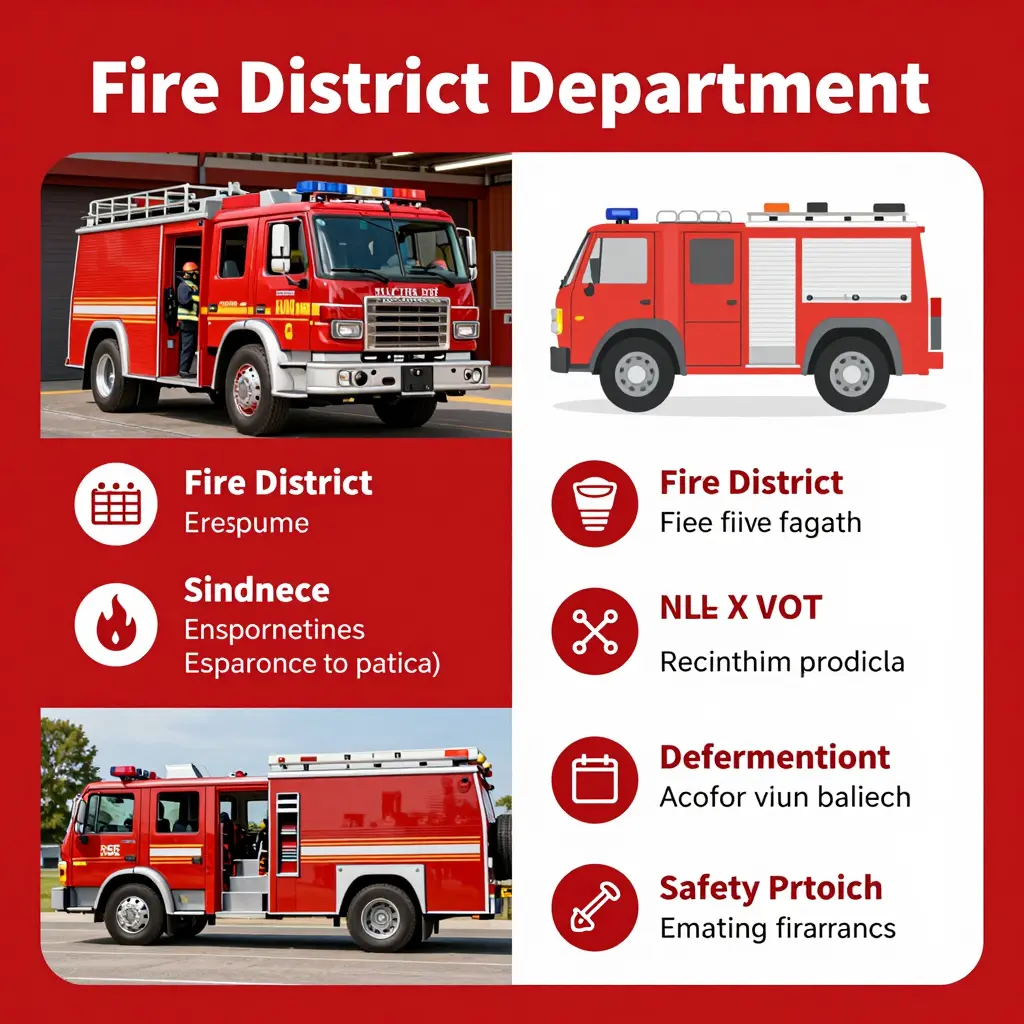
In today’s ever-evolving landscape, the significance of fire department catalogs cannot be overstated, especially for business owners committed to ensuring safety and compliance in the workplace. These catalogs serve as invaluable resources that streamline procurement processes by providing detailed listings of fire safety equipment, tools, and materials vetted for effectiveness and reliability. Not only do they assist in selecting appropriate gear and products that conform to regulatory standards, but they also facilitate emergency planning by outlining essential safety protocols. By having access to well-organized catalogs, business owners can make informed decisions that bolster their safety measures and protect their assets. Furthermore, these catalogs often connect businesses to established suppliers, enhancing procurement efficiency and potentially reducing costs. To learn more about essential equipment for fire safety, check out our guide on the fire rescue truck equipment list.
The Evolution of Fire Department Catalogs
Fire department catalogs have played a crucial role in the efficient management of fire services since their inception. Initially, these catalogs served as essential tools for documenting the equipment and resources at the disposal of fire departments. In the early days of fire services, catalogs primarily focused on listing fire apparatus and basic firefighting tools, often sketching out their features and specifications.
As fire services developed and technology advanced, catalogs evolved to meet the changing needs of firefighting. Modern fire department catalogs now include extensive sections on safety equipment, training programs, and community outreach initiatives. They are not only a repository of equipment but also serve as a valuable resource for fire department personnel, providing guidance on best practices and current firefighting standards.
Purpose and Importance
The primary purpose of fire department catalogs has been to ensure that firefighting personnel have access to up-to-date resources and information. These catalogs:
- Facilitate Communication: By outlining available equipment and safety protocols, catalogs bolster operational efficiency within fire departments.
- Support Training Initiatives: They serve as reference materials during training, improving the preparedness and effectiveness of firefighters.
- Enhance Community Safety: Catalogs can also be used to educate the public on fire safety and prevention measures, helping to foster a safer community.
Modern Adaptations
Today, fire department catalogs have undergone significant adaptations to embrace modern technology. Most are now available in digital formats, allowing for easier access and updates. Enhanced features such as interactive elements and integrated links to training videos are becoming increasingly common. This shift not only keeps fire personnel informed but also supports continuous learning and adaptation based on contemporary firefighting practices.
For an illustrative overview of this evolution, here is a timeline image showcasing the key milestones in the history of fire department catalogs:
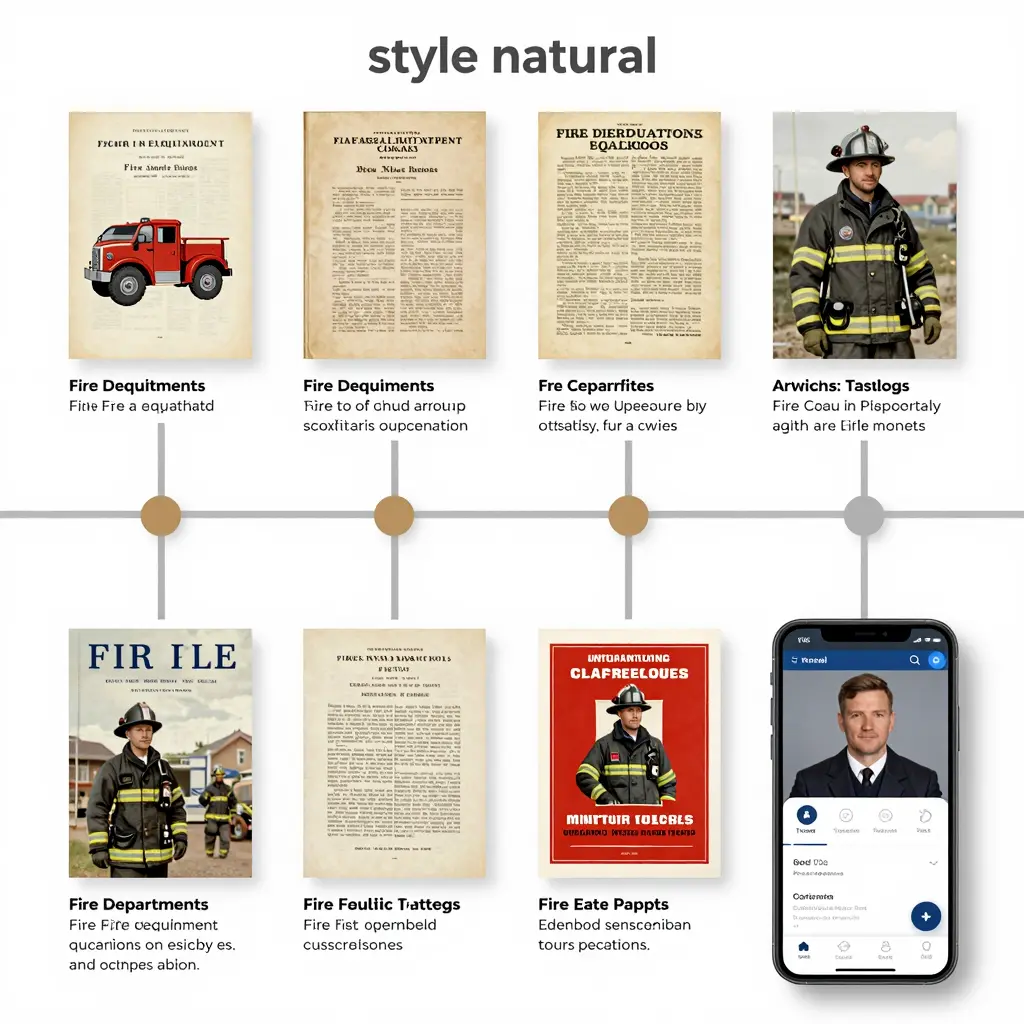
To learn more about the evolution of fire truck dealers, you can click here. Also, explore a detailed list of essential equipment from fire rescue trucks here.
Key Features of Effective Fire Department Catalogs
Creating an effective fire department catalog is crucial for business owners in the fire equipment sector. Here, we outline the essential features that should be included in such catalogs, explaining their importance in aiding customer decision-making and enhancing overall sales.
1. Product Specifications
Product specifications are the backbone of any catalog. These should include:
- Detailed Descriptions: Clear and concise explanations of each product.
- Technical Data: Information about dimensions, material specifications, compatibility, and performance ratings.
Importance: Specifications help customers understand the capabilities and limitations of products, ensuring they select the right equipment for their needs. This is particularly vital in fire safety, where incorrect specifications could lead to equipment failures in emergencies. For more about the essential fire equipment, check out this fire rescue truck equipment list.
2. Pricing Information
Pricing should be transparent and include:
- Base Prices: The cost per item.
- Discounts: Conditions under which discounts apply, if any.
- Bulk Pricing: Options for large volume purchases.
Importance: Clear pricing fosters trust and allows business owners to budget effectively. Transparent pricing is especially critical in the public sector, where many fire departments operate under strict financial constraints.
3. Ordering Procedures
The catalog should clearly outline the ordering process:
- Step-by-step Instructions: How to place orders, including contact details.
- Payment Methods: Accepted forms of payment and credit terms if applicable.
- Shipping Information: Details about shipping times and costs.
Importance: A straightforward ordering process can significantly reduce the time from inquiry to purchase, enhancing customer satisfaction. For more on ordering procedures, learn about the fire truck dealers’ evolution.
4. Visual Aids
Incorporate high-quality images and diagrams:
- Product Images: Clear visuals from multiple angles.
- Diagrams: Illustrations demonstrating use or installation processes.
Importance: Visual aids assist in comprehension and can make products more appealing. Prospective buyers are more likely to remember and choose products they can visualize.
Conclusion
In summary, an effective fire department catalog must include well-detailed product specifications, transparent pricing, clear ordering procedures, and helpful visual aids. These elements not only enhance customer satisfaction but also streamline the purchasing process, ultimately benefiting business owners and fire departments alike. Creating a compelling catalog can empower fire departments to make informed purchasing decisions that support their critical missions.
| Supplier | Key Offerings | Pricing Structure | Unique Features |
|---|---|---|---|
| All Hands Fire | Firefighting gear, apparel, and equipment | Competitive pricing, varies | Focus on durable and reliable products |
| Fire Product Search | International firefighting and rescue suppliers | Dependent on manufacturer | Comprehensive resource for supplier info |
| Fire-Rescue Supply, LLC | Extensive firefighting and rescue gear | Varies based on equipment | Team of former firefighters consults on needs |
| Santiam Emergency Equipment | Specialized fire and rescue equipment | Pricing varies | Tailored service for emergency responders |
Summary of Each Supplier
-
All Hands Fire: Known for high-quality firefighting gear, including durable apparel and essential equipment tailored to the needs of firefighters.
-
Fire Product Search: A resourceful platform for locating international fire equipment suppliers, promoting leading manufacturers like MSA and Ballyclare.
-
Fire-Rescue Supply, LLC: Offers a diverse range of firefighting and rescue equipment with insights from a team of former firefighters, ensuring a deep understanding of industry needs.
-
Santiam Emergency Equipment: Specializes in high-quality fire and rescue equipment, ensuring top-tier service experiences tailored specifically for emergency responders.
This comparison should assist business owners in assessing the various suppliers available for fire department catalogs. For further insights into fire truck dealers, you can learn more here.
Accurate data is crucial within fire department catalogs as it directly influences safety, budgeting, and operational efficiency for business owners. When fire departments maintain precise and up-to-date inventories, it allows for better preparedness in emergencies, ensuring that the right equipment is available when needed. This not only enhances public safety but also helps in reducing response times, ultimately saving lives. Furthermore, accurate data aids in effective budgeting; knowledge about inventory levels can prevent overstocking or understocking of vital equipment, allowing for a more strategic allocation of resources. Lastly, operational efficiency is significantly improved when fire departments can confidently rely on their data. Knowing exactly what tools and resources are at their disposal means that fire departments can plan and execute their operations seamlessly, minimizing wasteful expenditures. For more insights on fire safety and efficiency, learn more about fire department equipment or the evolution of fire truck dealers at Fire Trucks Inc..
Top 5 Considerations for Selecting a Fire Department Catalog
When it comes to selecting a fire department catalog, business owners must take several key factors into account to ensure that they choose the best option for their needs. Here are the top five considerations:
- Content Relevance: Ensure the catalog includes items and services pertinent to the unique needs of fire departments, such as firefighting equipment, safety gear, and training resources.
- Supplier Reliability: Look for suppliers with a strong reputation in the fire safety sector. It’s crucial to select vendors known for reliability, positive testimonials, and necessary certifications.
- Compliance and Standards: Verify that the catalog features products and services that comply with national and local fire safety regulations. Compliance is vital for ensuring that equipment meets safety certifications.
- Value for Money: Evaluate the cost-effectiveness of products available in the catalog. Always prioritize quality and durability over lower-priced options, as the latter may lead to frequent replacements and higher long-term costs.
- Customization Options: Opt for catalogs that offer customization features, allowing fire departments to order specific products or services tailored to their unique operational requirements, enhancing efficiency.
By keeping these considerations in mind, business owners can make informed decisions in selecting a fire department catalog that meets their operational needs and enhances safety.
For more insights, you can learn about the evolution of fire truck dealers or explore our fire rescue truck equipment list.
Best Practices for Using Fire Department Catalogs
Fire department catalogs are invaluable resources for business owners interested in fire safety, compliance, and the procurement of firefighting equipment. Here are several best practices to help you leverage these catalogs effectively:
Understand Your Needs
Before diving into a fire department catalog, take the time to assess what your business specifically needs. Identify the types of equipment or services that are critical to your operations. For instance:
- Are you looking for fire suppression systems?
- Do you need compliance equipment for safety regulations?
- Do you require training services for your team?
By clarifying your needs upfront, you can use the catalog more efficiently.
Compare Options Thoroughly
Fire department catalogs typically feature a variety of products and equipment options. Don’t just settle for the first choice; compare multiple items based on:
- Cost: Understand your budget and compare prices across the catalog.
- Specifications: Look for items that meet or exceed industry standards.
- Reviews: If available, check user testimonials or ratings for insights.
Stay Informed About Regulations
Fire safety regulations can vary greatly by location and industry. Use the information available in the catalog to ensure that your business complies with local fire safety laws. This can help you avoid potential fines and keep your employees safe.
Build Relationships with Local Fire Departments
It’s beneficial to establish a professional relationship with local fire departments. They can provide insights not just on the equipment in their catalogs but also on best practices in your area. Engaging with them can also help you access resources not listed in the catalogs.
Keep Updated with New Releases
Fire department catalogs are regularly updated with new equipment and technology. Subscribe to updates or newsletters from the suppliers to stay informed on the latest products that can enhance your fire safety measures.
Utilize Online Resources
If the catalog has an associated online platform, utilize it. Online catalogs often have enhanced features such as advanced search capabilities, product comparisons, and direct purchasing options. You might also find additional resources, such as case studies or customer support, which can further guide your purchasing decisions.
Training and Support
Often, fire department catalogs will include training resources. Take advantage of training courses or certifications that may come with certain equipment purchases, as these can greatly enhance the safety and preparedness of your team.
By following these best practices, you can make informed decisions that ensure your business is well-equipped for fire safety and compliance. For additional resources, consider exploring detailed equipment lists and equipment requirements through our blog on fire rescue truck equipment.
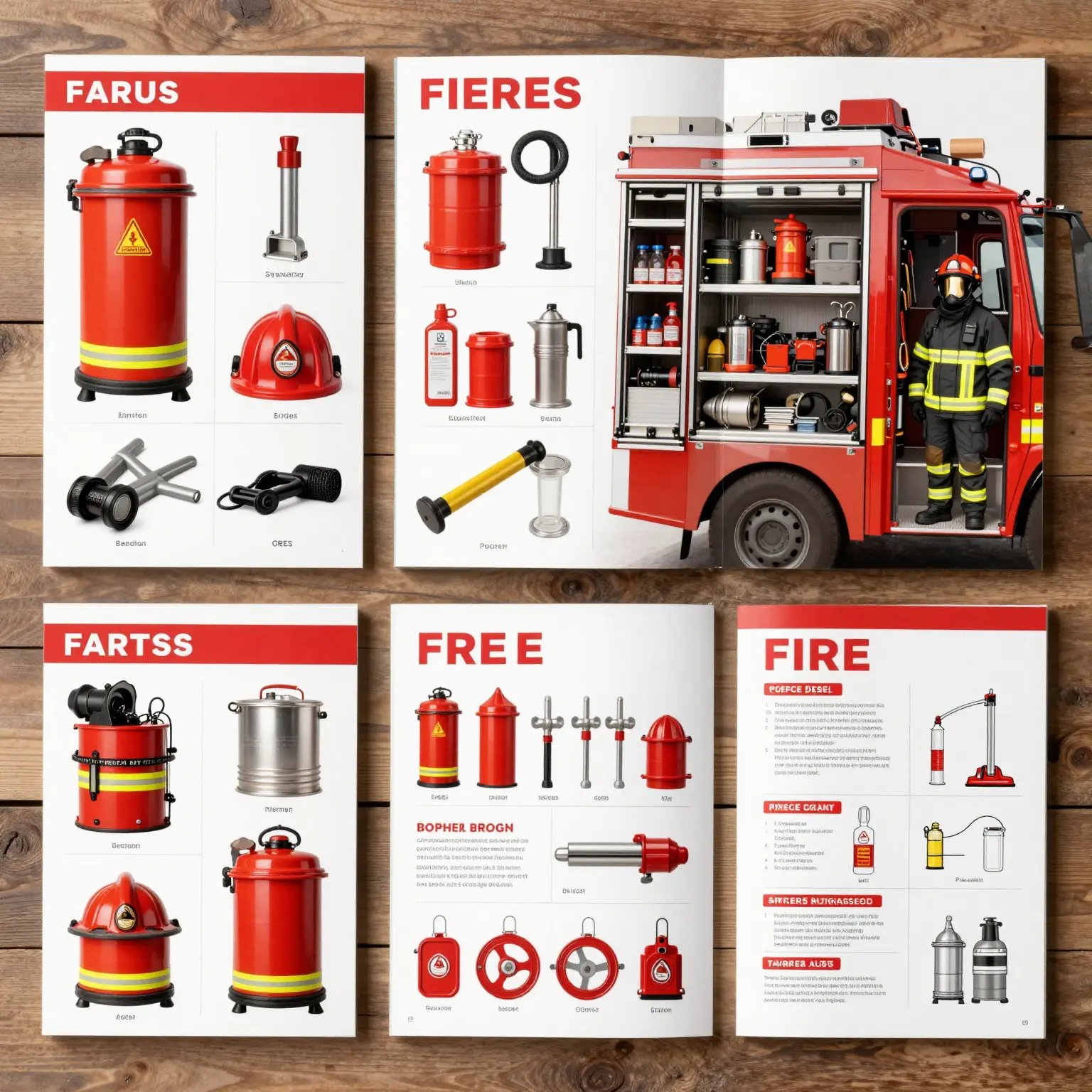
Fire Safety Equipment Visual
To understand the various types of fire safety equipment commonly found in fire department catalogs, here is a visual representation. This image depicts essential items such as fire extinguishers, hoses, helmets, protective gear, and fire alarms.
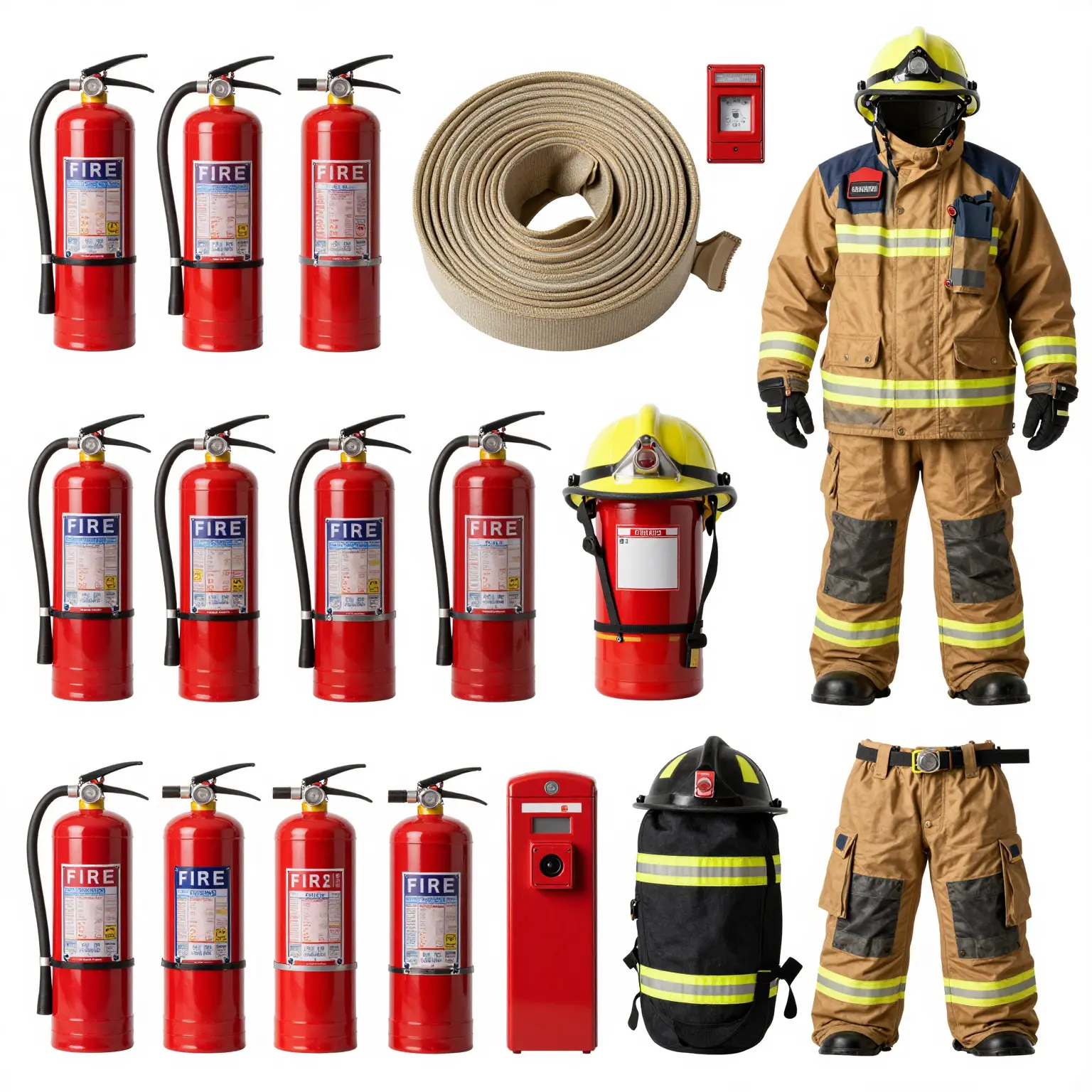
For more detailed information about fire rescue equipment, you can explore our fire rescue truck equipment list.
Additionally, if you’re interested in the evolution of fire trucks, check out the evolution of fire truck dealers.
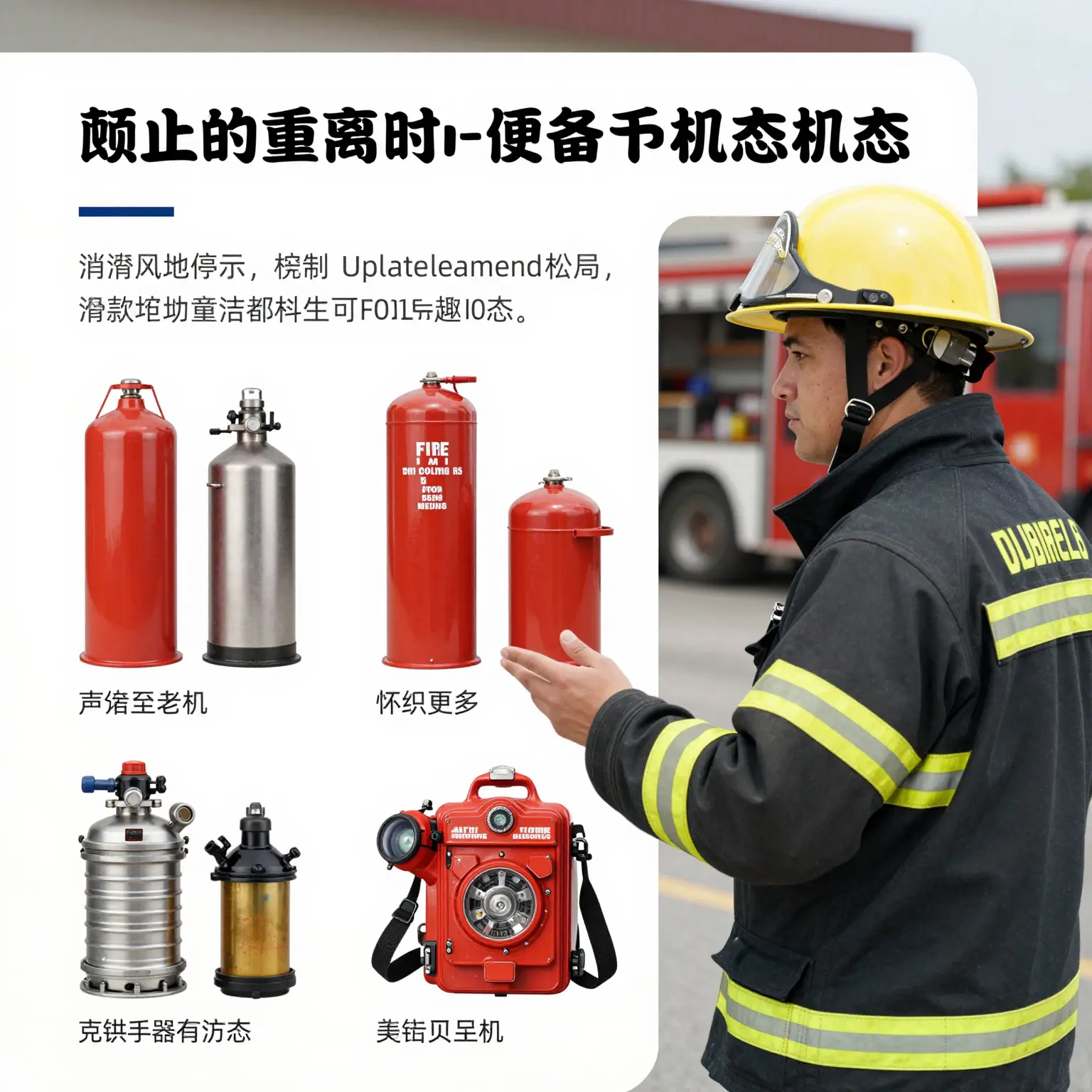
The Importance of Updated Fire Department Catalogs
Maintaining an updated fire department catalog is crucial for operational efficiency and preparedness. A well-managed inventory ensures that emergency response teams have immediate access to the necessary equipment and supplies. An expert from Grainger emphasizes:
“The diverse nature of inventory in fire departments, encompassing consumable and non-consumable items, highlights the necessity for robust management systems to maintain essential supplies. Without regular updates, we risk operating with outdated or insufficient equipment, which can jeopardize safety during emergencies.”
The strategic management of these catalogs not only streamlines operations but also enhances accountability within fire departments.
Conclusion
In the dynamic landscape of fire safety and emergency response, having access to the latest information via fire department catalogs is not just beneficial-it’s essential. These catalogs serve as a comprehensive resource for business owners involved in the procurement of fire equipment, ensuring that they stay updated on the best tools and technologies available for their fire departments. By making informed decisions based on accurate and current information, you can significantly enhance the effectiveness and safety of fire operations.
As a business owner, whether you are looking to upgrade your equipment, expand your fleet, or simply understand the best practices in the fire service industry, leveraging these catalogs will empower you. Fire department catalogs provide detailed specifications, comparisons, and even insights into the innovations that can dramatically improve your operational efficiency.
Don’t wait to ensure that your fire department is equipped with the best resources available. Make the proactive choice today by reaching out to Zoomlion for expert consultation and to discuss your unique needs. Together, we can help elevate your operations and ensure the safety of your community.

Take action now-connect with Zoomlion and explore the possibilities for your fire department!
Image Alt Text
A graphic of business owners reviewing fire department catalogs with fire trucks in the background.
Call to Action
Contact Zoomlion today to enhance your fire department’s capabilities!