In the realm of firefighting, the initial moments at the scene of an emergency are crucial. It is during this time that firefighters must engage in effective firefighter scene size up to assess the situation, prioritize actions, and strategize responses. This critical evaluation not only protects the lives of firefighters but also safeguards the lives of civilians and minimizes damage to property. For business owners, understanding the significance of this process can be particularly enlightening. A swift and accurate assessment by first responders can mean the difference between a fully intact facility and devastating loss. Firefighters trained to recognize hazards and dynamics of the fire also enhance the sense of safety in the community, allowing businesses to operate with confidence. As such, equipping our fire departments with the knowledge and skills necessary for effective scene size up is imperative, not just for public safety but also for business resilience and continuity. Learn more about how fire departments protect your business and the importance of effective equipment suited for emergencies by visiting our resource on essential fire rescue truck equipment.
Key Components of Firefighter Scene Size-Up
Firefighter scene size-up is a critical procedure that ensures the effective management of emergency situations. It involves a systematic assessment of conditions upon arrival at the scene to inform tactical decisions. Here, we break down the essential components that comprise a comprehensive size-up.
1. Size-Up Phases
The process of scene size-up can generally be categorized into three phases:
-
Initial Size-Up: This starts as the firefighter approaches the scene. Critical observations of the environment and visible hazards are made during this phase. Firefighters assess the type of incident and the potential for escalation.
-
Detailed Size-Up: Following the initial assessment, a detailed evaluation is performed. This involves getting closer to the scene (when safe) to observe more specific factors like fire intensity, the structural integrity of buildings, and any occupants in need of assistance.
-
Ongoing Size-Up: As conditions can change rapidly, an ongoing assessment is crucial. Firefighters must continuously monitor for any shifts in the situation, such as fire spread, changes in wind direction, or structural collapse, to adapt their strategies accordingly.
2. Critical Observations
Observations during size-up play a vital role in risk management and response strategy:
-
Smoke and Fire Behavior: The color and volume of smoke provide indications of the fire’s intensity and possible locations. Black smoke often suggests a high level of fuel burning, while white smoke may indicate materials like paper or cloth.
-
Building Construction and Occupancy: Understanding the structure type – whether it’s residential, commercial, or industrial – helps in determining the tactics to deploy. The presence of hazardous materials or flammable substances must also be identified.
-
Victims and Access: Firefighters should assess the scene for any individuals in distress and evaluate safe access points for rescue operations.
3. Resource Assessment
Effective size-up includes determining the resources needed to handle the incident adequately:
-
Personnel Needs: Identifying how many firefighters are required to operate effectively at the scene is crucial. This assessment impacts the initial staffing and determination of any additional resources needed.
-
Equipment and Apparatus: Managing the right tools and equipment, such as hoses and ladders, is vital for an effective response. Certain scenarios may require specialized tools like thermal imaging cameras or hydraulic rescue tools.
-
Mutual Aid Requirements: Determining whether additional staffing or equipment from surrounding fire departments is needed for support is part of resource assessment. It’s essential in managing larger incidents effectively.
Conclusion
Size-up is not just a preliminary action; it is integral to fire scene assessment and risk management. Continuous evaluation allows firefighters to adapt their strategies, which is crucial for ensuring safety during operations. For further insights into how fire department equipment can support these efforts, check out this equipment list and the evolution of fire trucks.
By understanding these key components, business owners can support their local fire departments in ensuring safety and effectiveness in emergency responses.
Firefighter Size-Up Techniques Comparison
| Technique | Description | Pros | Cons |
|---|---|---|---|
| 360-Degree Size Up | Comprehensive assessment of the entire scene before engaging. | – Better situational awareness – Identification of hazards – Safer planning and strategy |
– Time-consuming – May delay immediate action |
| Frontal Approach | Immediate engagement with the fire before assessing the full scene. | – Quick response can prevent fire spread | – Limited situational awareness – Increased risk of danger |
Pros and Cons Overview
-
360-Degree Size Up:
-
Pros:
- Provides a holistic view of the scene.
- Enables identification of escape routes and hazards.
-
Cons:
- Can be more time-consuming, potentially delaying response efforts.
-
Frontal Approach:
-
Pros:
- Quick engagement can be vital in stopping fire spread.
-
Cons:
- Risks involve potentially entering a dangerous situation with incomplete information.
Understanding these techniques is crucial for business owners, especially in planning for safety and emergency response procedures. For more insights on how fire departments can enhance business safety, learn more about fire department safety protocols.
If you’re keen on exploring the historical context and developments of fire truck equipment and functionality, check out the evolution of fire truck dealers.
Importance of Scene Size-Up in Firefighting
Scene size-up is a critical process for firefighters, offering several key benefits:
- Assessment of Dangers: Firefighters use scene size-up to identify hazards present at an emergency site, which helps in strategizing their approach.
- Resource Allocation: Understanding the size and nature of the scene allows firefighting teams to allocate appropriate resources, ensuring effective response and safety.
- Situational Awareness: It enhances the awareness of personnel regarding potential risks, such as structural integrity, toxic smoke levels, and the presence of bystanders.
- Operational Efficiency: A thorough size-up can lead to faster decision-making and deployment of tactics, which can ultimately save lives and reduce property damage.
Expert Insight
While the specific expert quote eludes us, it’s widely accepted in firefighting philosophy that:
“The first few moments on a scene are crucial; a proper size-up can mean the difference between life and death.”
This statement encapsulates the essence of size-up in emergency management.
Conclusion
The process of scene size-up sets the foundation for an effective firefighting strategy and is a fundamental skill taught to all fire service personnel. For business owners interested in safety, understanding these procedures can significantly inform emergency preparedness strategies.
For more insights into how firefighting tools and techniques evolve, you may find our article on the evolution of fire truck dealers particularly useful.
For tailored resources and equipment insights specific to your needs, consider exploring our fire rescue truck equipment list.
If you have any specific facets of firefighting or emergency management you’d like to explore further, just let me know!
Common Challenges in Scene Size-Up for Firefighters
Scene size-up is a critical component of emergency response, particularly for firefighters. It involves assessing the incident scene to determine the most effective actions for managing the situation. However, this process can be fraught with challenges that can significantly impact both the safety of personnel and the efficiency of operations. Here are some of the common challenges faced by firefighters during scene size-up:
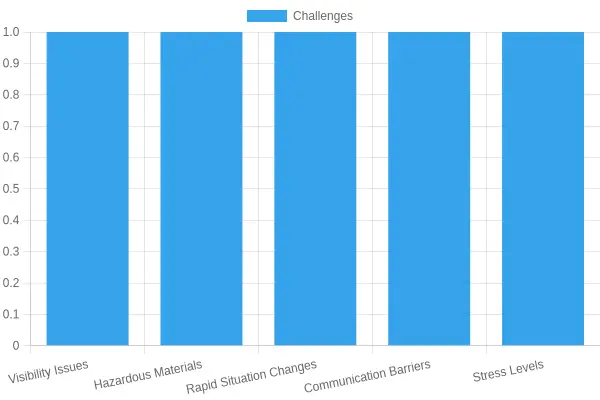
1. Visibility Issues
Visibility may be severely impaired by smoke, darkness, or obstructions. This limitation can hinder a firefighter’s ability to accurately assess the scene and communicate effectively with their team. For example, during a nighttime fire or in dense smoke, firefighters may not see the full extent of the property and potential hazards.
2. Hazardous Materials
Firefighters often encounter known and unknown hazardous materials at the scene. Identifying these materials quickly is essential for ensuring the safety of personnel and minimizing environmental impact. For instance, if a firefighter fails to recognize a hazardous chemical, it can lead not only to personal injury but also potentially escalate the incident.
3. Rapid Situation Changes
Emergencies are inherently dynamic, and conditions can change swiftly. What starts as a manageable fire may escalate into a hazardous situation or a structural collapse. Firefighters need to adapt their strategies on-the-fly based on the evolving circumstances, which requires a high level of situational awareness and quick thinking.
4. Communication Barriers
Effective communication is vital in coordination during an emergency. However, high-stress situations, noise, and the presence of multiple agencies can create obstacles. For instance, a firefighter may not receive critical information from dispatch or other units if communication channels are not clear.
5. Stress Levels
The psychological impact of emergencies can significantly affect a firefighter’s performance. High-stress levels can impair decision-making processes and lead to mistakes that compromise operational effectiveness. These mental strains often manifest during intense scenarios, making swift and accurate decisions more challenging.
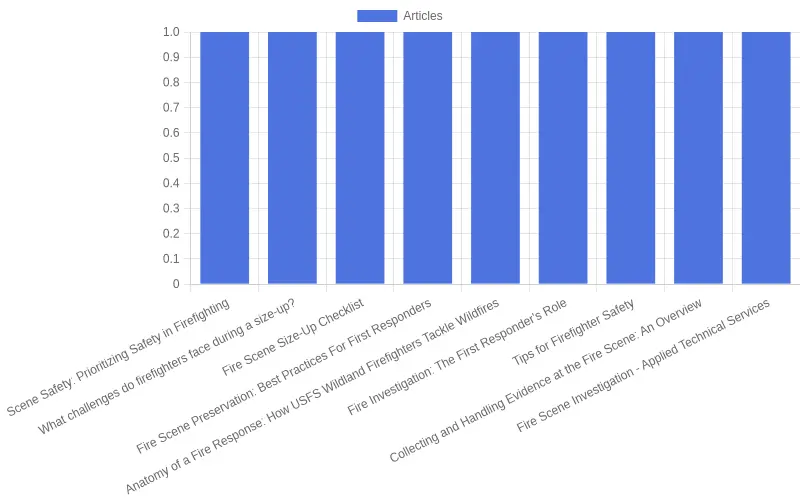
Here is a chart summarizing these challenges:
Impact on Business Operations and Safety
The challenges encountered during scene size-up do not only affect firefighting operations; they can also have profound implications for broader business operations, especially in areas such as risk management and public safety. A delayed or inaccurate size-up can lead to:
- Extended response times that may escalate damages to property.
- Increased risk to firefighting personnel, potentially leading to injuries.
- Potential legal repercussions and liabilities for businesses affected by the incident.
Understanding and addressing these challenges can help improve overall safety protocols and operational effectiveness within fire departments, ultimately protecting both firefighters and the communities they serve.
For more insights on fire department operations and safety, learn more about fire department safety measures. Additionally, visit our blog to explore how fire departments can enhance business resilience through effective policies and practices.
Firefighter Scene Size-Up Process
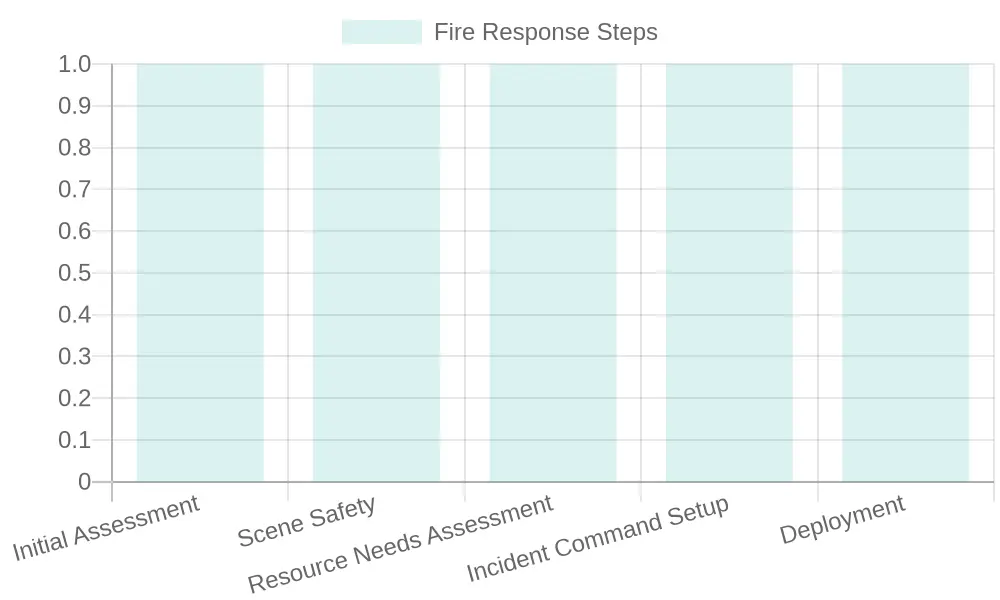
Understanding the firefighter scene size-up process is crucial for effective emergency response. This visual chart below outlines the steps involved in conducting a size-up:
Steps in the Size-Up Process:
| Step | Description |
|---|---|
| Initial Assessment | Identify smoke and fire presence |
| Scene Safety | Evaluate hazards |
| Resource Needs Assessment | Determine required equipment and personnel |
| Incident Command Setup | Establish command structure |
| Deployment | Mobilize units and manage response |
By familiarizing yourself with these steps, business owners can better understand the efficiency of their local fire departments and improve their own emergency preparedness. For more insights, learn about fire department funding and business resilience and how fire departments protect your business.
Practical Tips for Supporting Effective Scene Size-Up During an Emergency
Scene size-up is a critical component of emergency management, and business owners play a vital role in ensuring a safe and effective response during such incidents. Supporting emergency responders through efficient scene size-up strategies can significantly enhance business continuity and safety. Here are practical tips to consider:
1. Develop Comprehensive Emergency Plans
- Create detailed emergency action plans: Outline procedures for various types of emergencies, including fires, natural disasters, and medical emergencies. Ensure these plans detail the roles and responsibilities of employees during an emergency and how to communicate with emergency services.
- Include scene size-up protocols: Integrate scene size-up strategies into your emergency action plans. This can include identifying the location of hazards, specific access points to your facility, and important resources available on-site (e.g., fire extinguishers, first aid kits).
2. Conduct Regular Training and Drills
- Training for staff: Train employees on emergency procedures and how to participate in scene size-up. Training sessions can involve identifying potential hazards and reporting them to emergency responders.
- Regular drills: Conduct emergency drills to familiarize employees with protocols. Simulating real emergencies will allow your team to practice scene size-up techniques and improve response times.
3. Maintain Clear Communication Channels
- Establish a communication plan: This should specify how to contact emergency services and communicate with them upon their arrival. Ensure that there’s a designated individual responsible for communicating critical information to first responders, such as the location of trapped individuals or hazardous materials.
- Utilize technology: Leverage apps or platforms that facilitate instant communication with staff and emergency services in emergencies. This ensures immediate relay of important information which can assist in size-up.
4. Foster a Culture of Safety
- Encourage reporting: Create a workplace culture that encourages employees to report potential hazards or safety concerns. Quick reporting can aid in effective size-up and enhance overall safety.
- Safety committees: Form safety committees within your business that can regularly assess and address safety concerns, ensuring that everyone remains informed and prepared.
5. Collaborate with Local Emergency Services
- Build relationships: Establish connections with local fire departments and emergency services. Invite them for site visits so they can assess potential hazards and familiarize themselves with your business layout.
- Participate in community planning: Engage with community preparedness events to share knowledge about your business and learn from others about effective scene size-up during emergencies. This collaboration can lead to potential improvements in response strategies.
6. Utilize Visual Aids and Signage
- Create clear signage: Use prominent signs directing emergency responders to key facilities, hazardous areas, and access points. This can significantly improve the speed and effectiveness of scene size-up and response.
- Visual maps: Develop easy-to-understand maps of your facility, highlighting critical areas that responders might need to access. Distribute these maps to emergency services as part of your coordination efforts.
Conclusion
By implementing these tips, business owners can support effective scene size-up during emergencies, ensuring the safety of their employees and the continuity of operations. Emphasizing emergency planning and fostering a culture of preparedness not only enhances safety but also builds business resilience. For a comprehensive guide on safety protocols, consider reading this article on business safety manuals. Additionally, maintaining clear strategies aligns your practices with overall safety and emergency management plans.
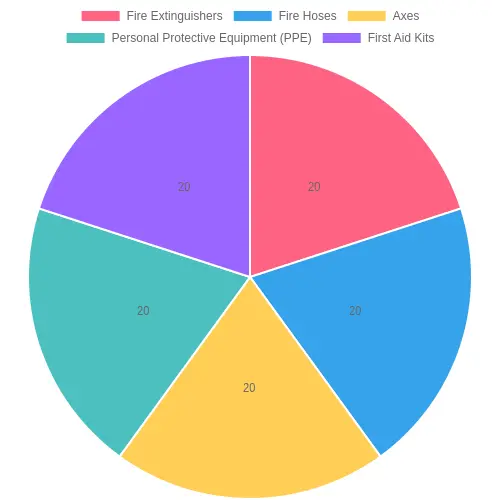
Overview of Essential Equipment:
| Equipment Category | Description | Purpose |
|---|---|---|
| Fire Extinguishers | Portable devices to extinguish fires. | Immediate response to small fires. |
| Fire Hoses | Long hoses connected to water supply for firefighting. | Deliver water to put out fires. |
| Axes | Tools for breaking through obstacles. | Accessing areas in case of emergency. |
| Personal Protective Equipment (PPE) | Gear such as helmets, gloves, and suits. | Protects firefighters from hazards. |
| First Aid Kits | Kits containing medical supplies. | Provides immediate medical assistance. |
These essential tools are significant investments for business owners to ensure safety in their operations. To explore more about essential equipment for firefighting, check out our equipment list.
Conclusion and Call to Action
Scene size-up is a critical component of effective firefighting and emergency management. For business owners, ensuring your emergency response strategies are robust and effective can significantly safeguard your investments and the safety of your personnel. The ability to properly assess and respond to emergencies not only affects the immediate situation but can also define the long-term resilience of your business. In today’s fast-paced world, being prepared is more crucial than ever.
With decades of experience in the field, Zoomlion stands ready to assist you in fortifying your fire safety measures. Our expertise and proven track record in the firefighting industry ensure that you receive not just equipment but a comprehensive approach to emergency management. Whether you’re looking to enhance your current firefighting system or start from scratch, our team can guide you every step of the way.
Don’t leave safety to chance. Connect with us at Zoomlion to discuss how we can help you protect your business effectively. Learn more about the evolution of fire truck dealers or explore our extensive fire-rescue truck equipment list to find out how we can best serve your needs. Remember, a proactive approach to fire safety not only protects your assets but also cultivates a culture of safety within your organization.
Contact us today and ensure that you are prepared for whatever challenges lie ahead.