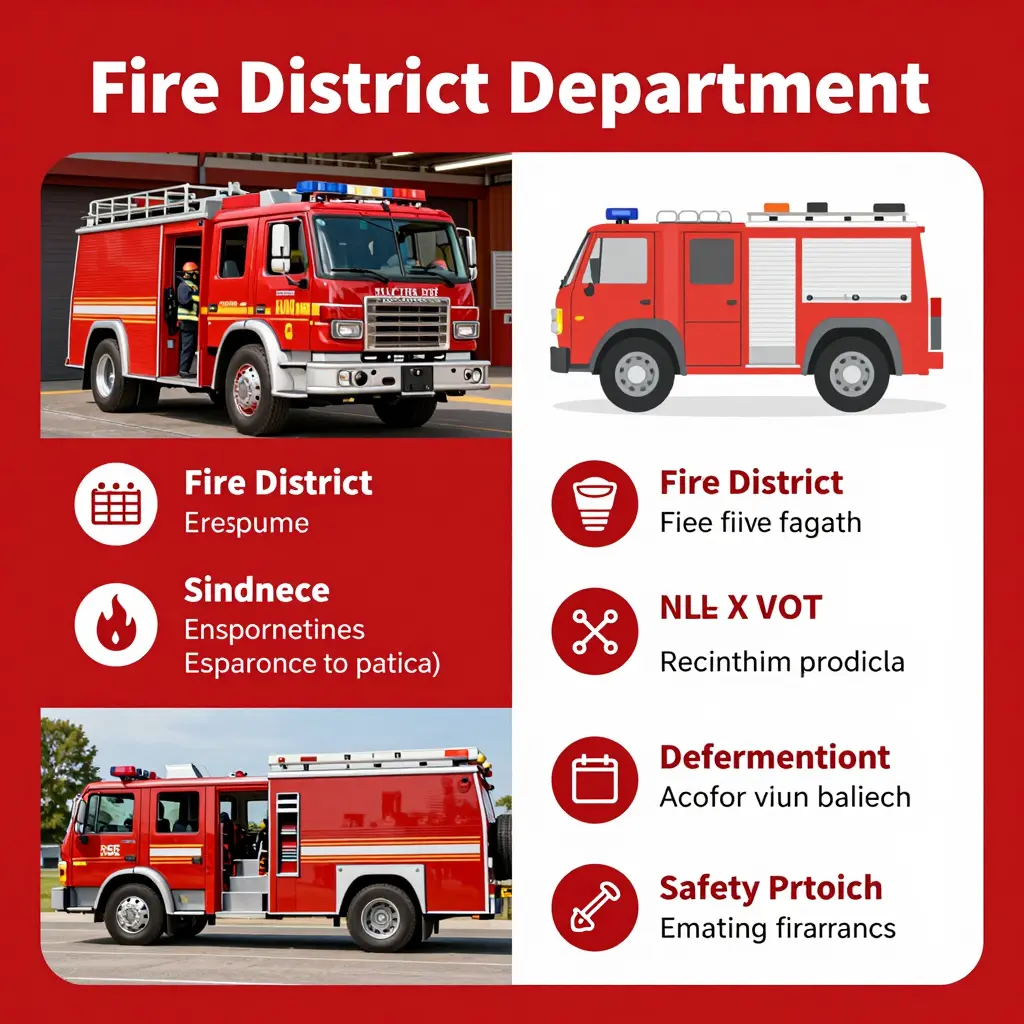
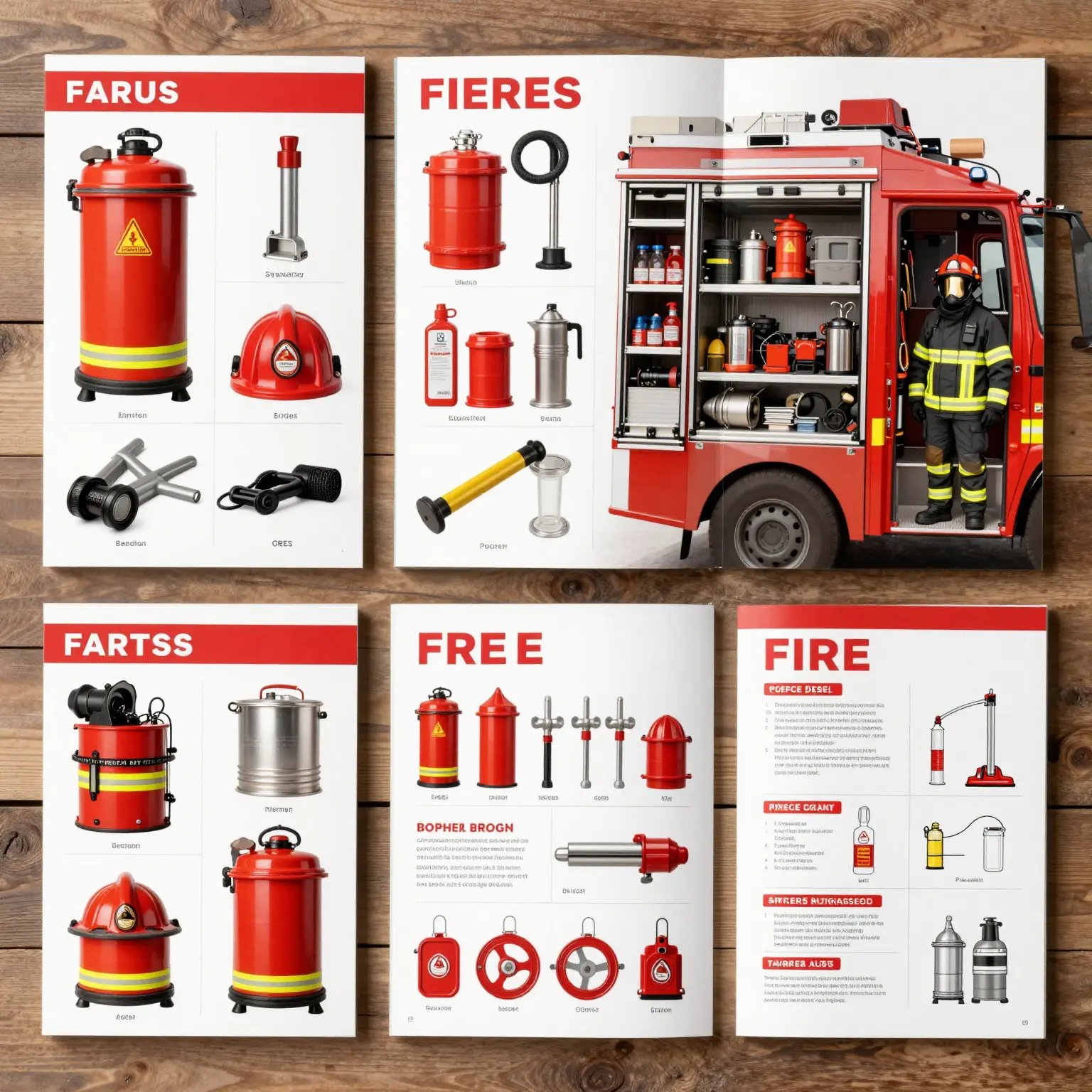
In the realm of business, safety and compliance are paramount, particularly concerning fire protection services. For business owners, having access to accurate fire department listings is not just beneficial-it’s essential. These listings provide crucial information about local fire services, ensuring that businesses can quickly access the right resources during emergencies. Accurate fire service information facilitates swift communication with responders and ensures that compliant safety measures are implemented, ultimately safeguarding lives and property. Additionally, knowing which fire department covers your area allows for better preparedness, enabling businesses to adhere to specific regulations that may vary from one region to another. This proactive approach not only enhances workplace safety but also fortifies business resilience in times of crisis. Recognizing the vital role that these listings play in fire safety is the first step towards creating a safer environment for employees and customers alike. For those seeking to delve deeper into the intricacies of fire department resources and compliance requirements, exploring fire department manuals for business safety can provide essential insights. Furthermore, understanding the distinctions between fire districts and fire departments can help refine your safety strategies.
This critical emphasis on local fire service information not only helps in meeting legal obligations but also contributes to a culture of safety that every responsible business owner strives to cultivate.
Unlocking Growth and Safety: Why Accessible Fire Department Listings Are Essential Tools for Business Owners
Understanding the benefits of readily available fire department listings can help business owners make informed decisions, ensure compliance, and enhance safety protocols.

Types of Fire Services: An Overview for Business Owners
When it comes to fire safety and emergency response, different types of fire services cater to varying needs and contexts. Understanding these can greatly benefit business owners, ensuring they choose the right service for their specific environment and needs.
Municipal Fire Departments
Municipal fire departments are publicly-funded agencies that provide essential fire protection and emergency services within a specific city or town. Key characteristics include:
- Professional Staff: These departments are typically staffed by professional firefighters who are well-trained and certified, offering a wide range of emergency services, including firefighting, medical response, and hazardous material incidents.
- Comprehensive Services: Beyond combating fires, municipal fire services engage in fire prevention, education, and community outreach, making them invaluable partners for businesses.
- Infrastructure and Equipment: Funded by local taxes, municipal departments generally have access to advanced fire apparatus and equipment.
Business owners within municipal boundaries can leverage these services for compliance and safety protocols. Learn more about municipal fire departments.
Volunteer Fire Departments
Volunteer fire departments rely heavily on community members who act as unpaid firefighters. They are especially vital in rural or less populated regions where full-time staffing may not be feasible. Key aspects include:
- Community-Based: Volunteers are typically residents of the area, leading to strong community ties and trust.
- Training and Resources: While volunteers are trained, their training hours may be less than their municipal counterparts, which can affect response times and service availability.
- Cost Efficiency: Since they operate mainly on volunteer labor, these departments can save municipalities significant funding while still providing essential fire services.
For businesses in areas served by volunteer departments, understanding their operational capabilities can be crucial for developing safety plans. Explore more about volunteer fire services.
Industrial Fire Departments
Industrial fire departments are specialized units set up within large industrial facilities, such as chemicals plants, oil refineries, and manufacturing units. Their unique features include:
- Specialized Training: Firefighters in industrial settings receive extensive training tailored to the specific hazards of that environment, including chemical fires and explosion hazards.
- Equipment: These departments utilize specialized firefighting equipment designed for industrial scenarios, often surpassing what municipal fire departments maintain.
- Higher Stakes: Their primary goal is to protect lives and property while minimizing risk to the environment, making them essential in high-risk industries.
For business owners, having an industrial fire department means they can rely on experts equipped to handle unique challenges. Understanding this can help in emergency preparedness and compliance efforts.
In summary, each type of fire service plays an integral role in maintaining safety in their respective environments. For businesses, engaging with these services can enhance their safety protocols and ensure compliance with local regulations. With proper knowledge, business owners can maintain not only regulatory compliance but also foster a safe environment for employees and customers.
Fire Department Response Times: Urban vs. Rural
| Department Name | Location | Response Time | Type of Service |
|---|---|---|---|
| City Fire Department | Urban: City A | 4-6 minutes | Urban Fire Protection |
| Suburban Fire Service | Urban: City B | 5-7 minutes | Urban Fire Protection |
| Rural Volunteer Fire Dept | Rural: County C | 10-15 minutes | Rural Fire Protection |
| Rural Fire Brigade | Rural: County D | 12-20 minutes | Rural Fire Protection |
Overview
- Urban Response Times: Typically range from 4 to 6 minutes. Fire stations are generally positioned closer to areas of high population density, which allows for swift responses.
- Rural Response Times: More variable, ranging from 10 to 20 minutes due to wider geographic areas and fewer local resources.
Both categories of fire departments are continuously seeking to improve their response capabilities, particularly rural departments, which often receive funding through various grants aimed at enhancing their services.
For business owners and stakeholders, understanding these response times can help in assessing fire safety measures and preparedness strategies within different communities.
In cases where more specific data from 2023 is needed, local fire department reports or safety organizations are good resources to check for annual reviews that might include more detailed statistics.
For more discussions on the operational aspects of fire departments, you can learn more about fire department funding and business resilience or explore the differences between fire districts and departments.
Having current fire department listings is not just about having access to contact numbers; it is an essential aspect of safety that can mean the difference between life and death during emergencies. In critical situations, the speed of communication is paramount. When businesses maintain up-to-date fire department listings, they can ensure a swift response in emergencies.
In many cases, every second counts. For instance, research shows that a timely response by a fire department decreases the risk of fatalities significantly. While specific statistics on the direct correlation between listing updates and survival rates are sparse, it is widely accepted that a quick response is critical in emergency scenarios. For instance, the National Fire Protection Association highlights that in a house fire, the likelihood of survival diminishes as time elapses beyond three minutes. Thus, ensuring that emergency contacts are swiftly accessible can drastically improve response times.
In a case study in a mid-sized town, a business owner reported that their fire department was able to respond within five minutes due to an emergency alert sent through their current listing system. In this particular incident, a small kitchen fire was extinguished before it could spread, thus preventing potential injuries to employees and excessive property damage. This demonstrates that timely access to verified contact details can directly influence the outcome of an emergency.
Furthermore, comprehensive fire department listings can facilitate better communication strategies. Businesses can establish strong partnerships with local fire departments, ensuring they are prepared for emergencies through regular drills and safety inspections. This proactive measure not only enhances their safety protocols but also fosters a community-level awareness about fire hazards.
Consider the Fire Department Funding and Business Resilience initiative by Fire Trucks Inc. which emphasizes the importance of strengthening local fire services through proper funding and updated resources.
Ultimately, maintaining a current list of fire department contacts allows businesses to meet their safety obligations while also safeguarding their employees and assets. Such measures reinforce the community’s overall resilience against fire hazards, leading to fewer incidents and more effective emergency responses.
Conclusion
In conclusion, current fire department listings are vital for quick communication, potentially saving lives during emergencies. A committed approach to staying updated not only aids in emergency preparedness but also builds a safer environment for everyone involved.
Importance of Fire Safety in Businesses
Fire incidents can have severe consequences for businesses, affecting not only their physical assets but also impacting employee safety, continuity of operations, and financial health. Here are significant points underscoring the importance of fire safety:
-
Annual Incidents: The National Fire Protection Association (NFPA) reports that in the United States, fire departments responded to an estimated 1.3 million fires in 2021, with a substantial percentage affecting businesses. While specific 2022 and 2023 data were unavailable, trends indicate that commercial properties are frequently at risk due to the presence of flammable materials, equipment malfunctions, and neglected safety protocols.
-
Economic Impact: Fires can lead to considerable economic losses. In 2021 alone, fire departments reported property losses of approximately $15.1 billion from these incidents. This financial burden includes damage repairs, lost inventory, and business interruption, showcasing the need for effective fire prevention strategies.
-
Critical Training: Regular fire drills and safety training can cut down on the risk of fire-related incidents. Proper training ensures that employees know emergency exit pathways and how to use extinguishing equipment should a fire occur.
-
Updated Fire Department Listings: Having access to updated listings of local fire departments and their resources can provide businesses with essential contacts in case of an emergency. Furthermore, knowing the capabilities and response times of local fire services can help businesses better prepare for potential incidents.
-
Legal and Insurance Requirements: Many local regulations dictate specific fire safety protocols for businesses. Compliance with these regulations not only fulfills legal obligations but also keeps insurance costs manageable. Non-compliance can lead to severe financial penalties and increased liability.
For business owners, understanding fire safety’s critical dimensions and ensuring compliance with local regulations is paramount. To delve deeper into fire safety and emergency planning, consider reading more about fire department roles and developing safety manuals.
Given these factors, businesses must prioritize fire safety measures to protect their assets, employees, and overall operational viability.

This bar graph visually illustrates the effectiveness of fire safety training in reducing fire incidents within businesses. As shown:
- Before Training: 100 incidents
- After Training: 45 incidents
This represents a reduction of over 50% in fire incidents following participation in safety training programs. Such training not only educates employees but also fosters a culture of safety
For more details on fire department operations, check out the Fire Department Manual on Business Safety and learn how safety training can enhance your business’s resilience.
In summary, maintaining updated fire department listings is not just about compliance; it is essential for the safety and efficiency of your business operations. An accurate fire department listing ensures that emergency responders can quickly locate and communicate with your business during crises, reducing response times and potentially saving lives. Additionally, it aids in adhering to safety regulations and minimizes liability concerns. With changing regulatory environments and the dynamic nature of emergency services, business owners must take this responsibility seriously and actively manage their listings.
As a business owner, the urgency to keep this information current cannot be overstated. An outdated listing can lead to severe consequences during emergencies, impacting both your employees and the community. Therefore, I urge you to take action now: for more information on maintaining up-to-date fire department listings and ensuring your business is prepared for any emergency, contact us at Fire Trucks Inc..
“Engaging with your local fire department is essential for business safety. Their insights can guide you in meeting compliance requirements and implementing effective fire prevention strategies.” This quote underscores the importance of maintaining a relationship with fire departments and could serve to emphasize the credibility and safety of having an official listing.