In today’s fast-paced business environment, fire safety is paramount. The importance of implementing strong fire safety measures cannot be overstated, as fires pose significant risks to employees, customers, and property. A well-structured fire safety plan protects not only physical assets but also buttresses a company’s reputation and financial standing. Both the National Fire Protection Association and the Occupational Safety and Health Administration underscore the necessity of rigorous fire safety protocols, which encompass risk assessments, training, and the installation of firefighting equipment.
Amid this landscape, fire truck worksheets emerge as vital tools, enhancing emergency preparedness and ensuring that businesses are equipped to tackle incidents with confidence and competence. These worksheets help organizations understand the specifics of their firefighting apparatuses, assess equipment readiness, and establish systematic responses during emergencies.
At the forefront of supplying top-tier firefighting equipment is Zoomlion, a renowned name committed to addressing the needs of businesses through innovative solutions and high-performance firefighting technology. Their dedication reflects in their range of products, including advanced fire trucks equipped with the latest firefighting capabilities. By choosing reliable partners like Zoomlion, businesses can significantly improve their fire response efficiency, ultimately safeguarding their operations and creating a more secure environment for all stakeholders. In line with this, implementing fire truck worksheets not only prepares staff for handling emergencies but also fosters a culture of safety that resonates throughout the organization. As we delve deeper into this topic, we will highlight best practices, critical components of fire truck worksheets, and how they can transform your emergency preparedness plans.
The Benefits of Fire Truck Worksheets for Businesses
Fire truck worksheets provide essential tools for businesses, especially those in industries that require stringent emergency response planning. Understanding the benefits associated with these worksheets can enhance safety, compliance, and operational efficiency for businesses. Here’s a closer look at the key advantages of using fire truck worksheets:
Improved Emergency Response Planning
-
Structured Approach: Fire truck worksheets allow businesses to adopt a structured approach to emergency response planning. By breaking down the response process into manageable tasks, businesses can ensure that all necessary steps are documented and easily accessible. This structure helps employees know exactly what actions to take in the event of a fire or emergency.
-
Clear Communication: With fire truck worksheets, companies can communicate their emergency plans clearly to all employees. This includes instructions on evacuations, reporting fires, and contacting emergency services. Clear communication helps prevent panic and confusion during actual emergencies, enabling a swift response.
-
Regular Updates: These worksheets can be updated regularly to reflect any changes in the workplace, such as new equipment, layout changes, or updated emergency contacts. This ensures that the response plan is always current and effective.
Enhanced Safety Measures
-
Risk Assessment: Fire truck worksheets can include sections dedicated to conducting risk assessments. Businesses can identify potential hazards within their premises and outline measures to mitigate these risks. Being proactive about fire hazards can significantly reduce the chances of a fire occurring.
-
Training and Drills: By utilizing fire truck worksheets, businesses can incorporate training and drill schedules into their safety plans. Regular fire drills ensure that employees are familiar with evacuation routes and fire safety measures. This preparedness builds confidence among staff and enhances overall safety in the workplace.
-
Effective Resource Allocation: With detailed fire truck worksheets, businesses can ensure that all necessary equipment, such as fire extinguishers and alarms, is properly maintained and easily accessible. This includes checking expiration dates and conducting routine maintenance, which contribute to a safer environment.
Compliance with Regulations
-
Meeting Legal Requirements: Many jurisdictions require businesses to maintain certain fire safety standards. By using fire truck worksheets, companies can ensure they are complying with local fire codes and safety regulations. Documentation of safety procedures and equipment checks can serve as valuable evidence during inspections.
-
Insurance Compliance: Insurance companies often have specific requirements related to fire safety. Having comprehensive fire truck worksheets can help businesses qualify for lower insurance premiums while ensuring they meet the conditions of their policy. Insurance auditors often look for well-documented safety protocols, and a fire truck worksheet can provide that evidence.
-
Emergency Preparedness Audits: Regular audits of the fire response plan using worksheets help ensure that all aspects of emergency preparedness are covered. This practice not only maintains compliance but also prepares the business for unforeseen fire-related incidents, protecting both personnel and assets.
Conclusion
Fire truck worksheets are invaluable tools that provide numerous benefits for businesses. They improve emergency response planning, enhance safety measures, and ensure compliance with regulations. For business owners looking to bolster their fire safety protocols, implementing structured fire truck worksheets is a proactive step toward ensuring a safer workplace environment.
For more insights about the safety implementations in your business, learn about fire department compliance regulations to further enhance your emergency planning and safety readiness.
Essential Features in a Fire Truck Worksheet
- Equipment Inventory
- A detailed list of all equipment on the fire truck, including hoses, ladders, tools, and medical supplies. This inventory should be updated regularly to reflect any changes in equipment.
- Maintenance Logs
- A section to record the maintenance history of the fire truck. This should include routine inspections, repairs, and any technical issues encountered during operations. Regular maintenance is essential for ensuring safety and reliability.
- Training Schedules
- An outline of training sessions for firefighters that involve the use of fire truck equipment. This may include drills, safety practices, and operational procedures to ensure all team members are adequately trained.
- Response Time Logs
- A recording of response times for each call attended. This data can help improve efficiency and identify patterns over time.
- Incident Reports
- A section where firefighters can detail incidents attended, including observations and outcomes. This information can be useful for future reference and improving strategies.
- Fuel Logs
- A log to document fuel usage, including the amount of fuel added, fuel type, and dates. Monitoring fuel usage helps manage costs and vehicle efficiency.
- Inspection Checklists
- Pre- and post-ride inspection checklists to ensure all equipment is operational and safe before deployment. This may include checking battery levels, water tanks, and operational gear.
- Contact Information
- Emergency contact list for personnel on duty, local support agencies, and mechanics for quick assistance when needed.
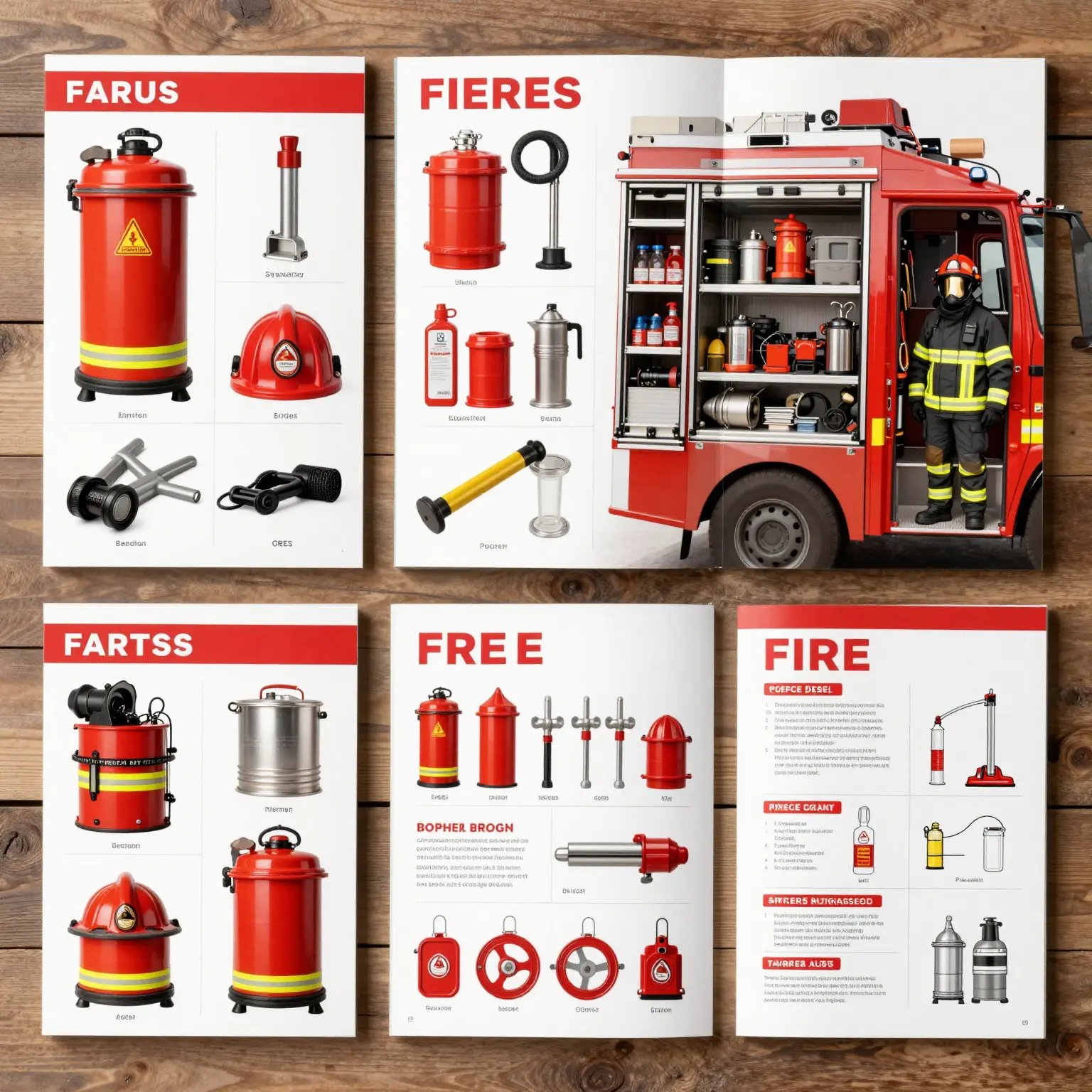
A fire truck worksheet serves multiple purposes, including tracking equipment readiness, documenting training, and ensuring that vehicles are well-maintained. For more on equipment and specifications, check out our fire rescue truck equipment list.
By following these features, fire departments can enhance accountability and maintain high operational standards.

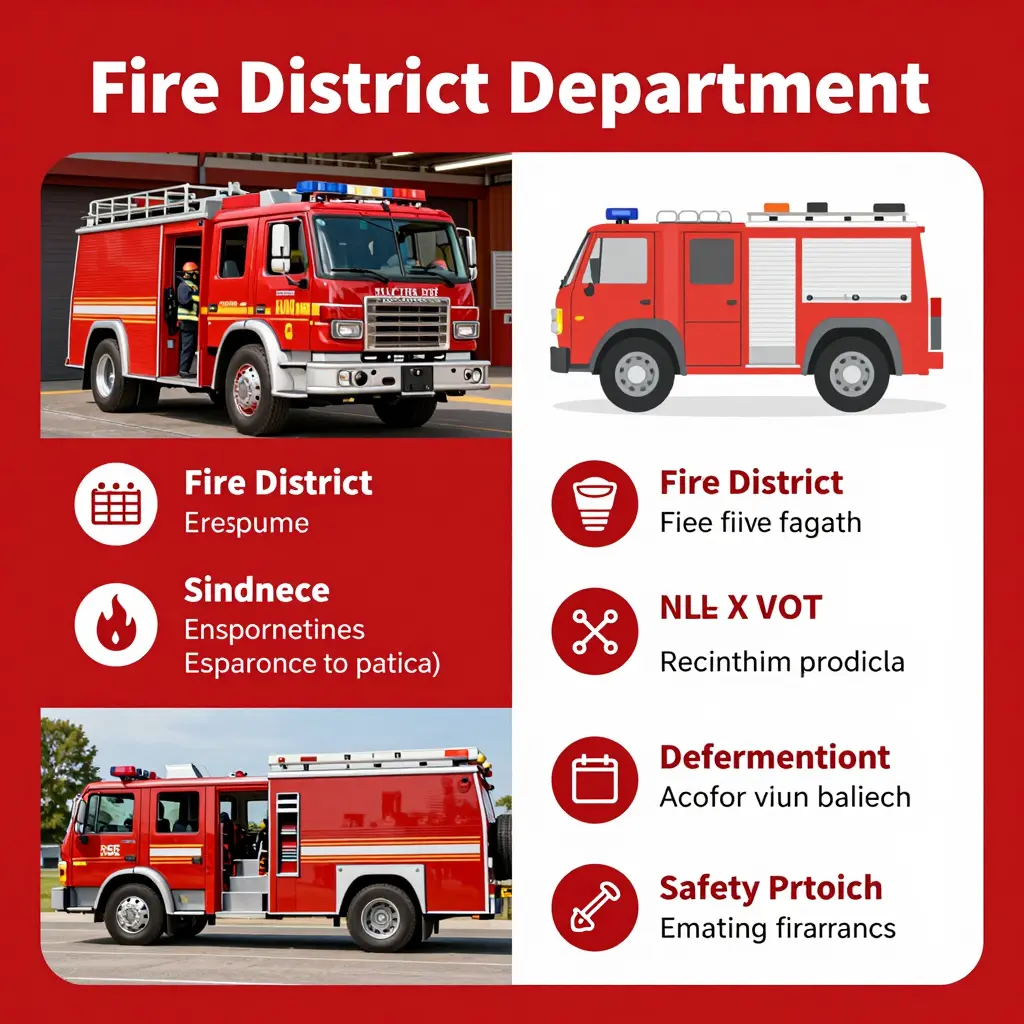
The image captures the essence of a fire truck in action, showcasing its crucial role during emergencies. Additional resources on the evolution of fire truck dealers and fire rescue truck equipment can provide further insights.
How Business Owners Can Create Custom Fire Truck Worksheets: A Step-by-Step Guide
Creating custom fire truck worksheets tailored to your business needs can greatly enhance your operations, whether you manage a fire department, a fire equipment dealer, or a related service provider. Custom worksheets enable efficient tracking, reporting, and management of fire trucks and related assets, helping to optimize maintenance, inventory, and safety compliance.
Step 1: Define the Purpose and Scope of Your Worksheet
Begin by identifying what you need the worksheet to accomplish. Common purposes include:
- Tracking maintenance schedules and repairs
- Inventory of fire truck equipment and parts
- Deployment and usage logging
- Compliance and inspection records
Understanding the exact function will help you design a focused and practical worksheet.
Step 2: Identify Key Data Points Relevant to Your Business
Based on your purpose, list the essential data fields. Typical fields for fire truck worksheets might include:
- Fire truck identification (ID numbers, vehicle type)
- Manufacturer and model details
- Maintenance dates and work performed
- Equipment and supplies inventory
- Inspection checklists and results
- Location and deployment status
Make sure to tailor these fields according to your specific business context and what matters most for your workflow.
Step 3: Choose the Right Tool for Creating the Worksheet
Decide on the platform to build your worksheet. Options include:
- Spreadsheet software (Excel, Google Sheets) for flexibility and ease of use
- Database systems for larger or more complex data management
- Specialized software or templates for fire department management
Ensure the tool you select is accessible to your team and fits your technical capabilities.
Step 4: Design a Clear and User-Friendly Layout
Your worksheet should be easy to navigate and update. Tips include:
- Use clear headings and consistent formatting
- Include dropdown menus for standard inputs to reduce errors
- Apply conditional formatting to highlight critical data, such as upcoming maintenance deadlines
- Freeze header rows for easy reference when scrolling
Step 5: Build Formulas and Automation Features
If using spreadsheets, leverage formulas to automate calculations, such as:
- Days until next service based on last maintenance date
- Sum totals of equipment or parts
- Conditional alerts for overdue inspections
Automation reduces manual errors and saves valuable time.
Step 6: Test Your Worksheet with Real Data
Before full deployment, test your worksheet with actual or sample data to:
- Ensure all fields capture the correct information
- Validate formulas and conditional formatting
- Gather feedback from users on ease of use and any missing elements
Step 7: Train Your Team and Implement Usage Protocols
Provide your staff with clear instructions and training on how to use the worksheet effectively. Establish:
- Protocols for data entry and updates
- Responsibility assignments for worksheet maintenance
- Periodic reviews to incorporate improvements
Step 8: Maintain and Update Your Worksheet Regularly
As your business evolves, so should your worksheets. Regularly review:
- Data accuracy and completeness
- Updating fields to reflect new equipment or regulatory requirements
- Enhancing usability based on team feedback
Additional Tips for Practicality and Usability
- Keep it simple: Avoid overly complicated designs that discourage consistent use
- Backup your data frequently to prevent loss
- Use templates from reliable sources as a starting point and customize them
For businesses interested in detailed equipment tracking, reviewing a fire rescue truck equipment list can provide invaluable insight into what items should be included. Additionally, visiting the fire department manual business safety resource helps ensure your worksheet accounts for compliance and safety standards.
By following these steps, business owners can craft practical and user-friendly fire truck worksheets that improve asset management, compliance, and operational efficiency tailored to their unique business model.
| Worksheet Type | Features | Advantages | Use Cases |
|---|---|---|---|
| Coloring Worksheets | Images of fire trucks and firefighters for coloring | Develops fine motor skills; engages children’s creativity | Used in preschools and kindergartens for themes |
| Matching Worksheets | Activities matching fire-related vocabulary to images | Promotes language skills and vocabulary development | Suitable for language learning in early education |
| Counting Worksheets | Activities counting fire-related items (e.g., hoses, helmets) | Enhances math skills and number recognition | Ideal for math lessons and interactive learning |
| Fire Safety Education | Worksheets including tips and rules for fire safety | Educates children about emergency services and safety | Used in safety programs and community outreach |
Understanding Fire Safety Compliance Among Businesses
Understanding fire safety compliance is crucial for business owners. Maintaining fire safety standards protects employees and mitigates risks associated with fire incidents. Here, we delve into several statistics and studies that emphasize the importance of fire safety compliance in businesses.
Importance of Fire Safety Compliance
- Legal and Financial Ramifications: Failure to comply with fire safety regulations can result in severe penalties. Businesses face risks including heavy fines, increased insurance premiums, and potential lawsuits, particularly in the event of a fire causing injury or damage.
- Risk Mitigation: Compliance with fire safety measures significantly reduces the likelihood of fire incidents. According to the U.S. Fire Administration, more than 3,000 civilians die in fires each year, highlighting the dire consequences associated with inadequate fire safety measures.
- Regulatory Landscape Changes: Recent studies indicate that evolving regulations compel businesses to upgrade their fire safety solutions. For instance, initiatives in various regions are pushing for stricter compliance based on industry trends and historical analysis of fire incidents.
Key Statistics:
- Economic Impact: Fire-related damages to commercial properties amount to billions of dollars annually. The recovery costs often exceed the original investment in safety equipment and compliance.
- Employee Safety: A significant number of small business owners underestimate the risk of fire, leading to inadequate safety training. The National Fire Protection Association (NFPA) states that around 70% of businesses without proper fire safety training close within a year following a major fire incident.
- Fire Incidents: Data from the U.S. Fire Administration shows that in recent years, non-residential properties account for approximately 30% of all fire incidents in the U.S., underscoring the necessity of adhering to safety standards.
Research Highlights
Further details can be observed in various sources, including the following:
- Fire Safety Equipment Market Size, Share & Forecast 2033: Highlights how evolving regulations compel businesses to enhance their fire safety measures to avoid penalties.
- Statistics – U.S. Fire Administration: Provides data sets focusing on trends in fire incidents and their impact, crucial for business owners looking to comply with fire safety laws.
- Annual Security and Fire Safety Report | Public Safety at Columbia University: Offers insights on fire safety practices, detailing incidents and compliance measures on campuses.
In conclusion, the statistics emphasize the necessity of comprehensive fire safety compliance for businesses. Investing in fire safety is not only a legal obligation but a moral imperative to safeguard lives and property. Creating and utilizing effective fire truck worksheets can streamline compliance efforts, ultimately enhancing workplace safety.
Conclusion
In conclusion, fire truck worksheets play a pivotal role in not only ensuring the operational efficiency of fire departments but also in enhancing community safety. These worksheets streamline essential tasks such as equipment checks, maintenance schedules, and staff trainings, ensuring that each fire apparatus is in optimal condition. By employing structured worksheets, fire departments can effectively manage their resources, which ultimately leads to faster response times and improved service delivery during emergencies.
Moreover, as technology in firefighting continues to evolve, fire truck worksheets also adapt, integrating new features that cater to the modern-day needs of fire services. Whether you are a seasoned fire department or a new volunteer service, incorporating these worksheets into your operations is not just a best practice; it is essential for maintaining the highest standards of safety and efficiency.
For business owners and fire service managers looking to enhance their fire safety measures, learning more about the evolution of fire truck dealers or understanding a comprehensive fire rescue truck equipment list can significantly assist in decision-making processes. These resources are invaluable in helping you make informed choices for your fire service, ensuring that you meet community needs effectively.
In circumstances where assistance is required, we encourage you to reach out to Zoomlion for further support. By connecting with knowledgeable professionals, you can gain insights that will not only enhance your fire department’s operations but also ensure that your team is equipped with the tools necessary for success. Don’t hesitate to contact us today to discover how we can assist you in maximizing the potential of your fire safety efforts and ensuring the protection of your community.
The Importance of Fire Safety Preparedness
In today’s fast-paced environment, business owners must prioritize fire safety. The following quote encapsulates the essence of emergency preparedness:
“Preparedness saves lives. It’s not about if a fire will happen, but when. Having a clear plan and training is essential for protecting lives and property.” – Fire Safety Expert
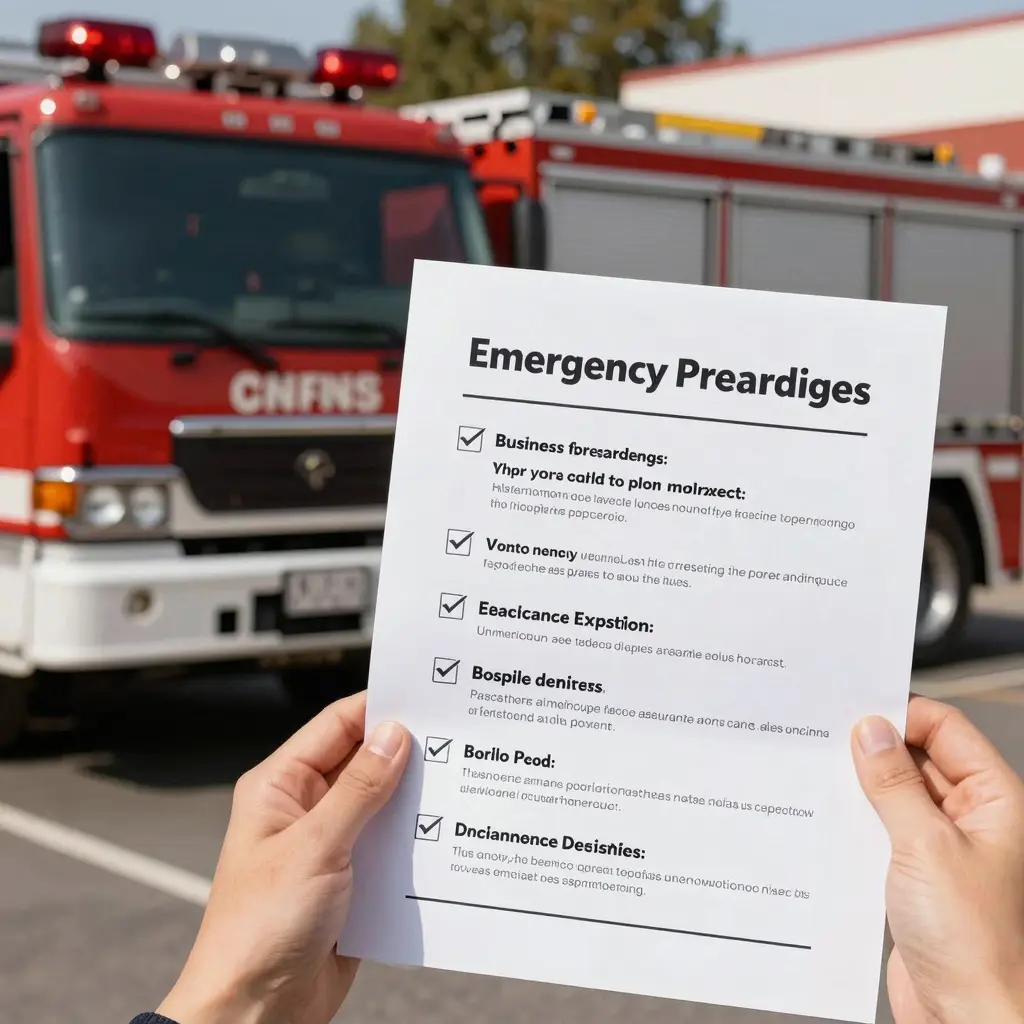
Understanding the critical nature of emergency planning can significantly aid in reducing risks associated with fire incidents. Businesses should implement fire truck worksheets as part of their safety protocols. These tools help ensure that everyone knows the evacuation routes, emergency contacts, and equipment available.
For a deeper dive into effective safety measures, check out our articles on the fire department’s manual for business safety and five ways fire departments protect your business.
The Impact of Fire Safety Worksheets on Emergency Response Outcomes
Utilizing fire safety worksheets can significantly improve emergency response effectiveness. Here’s a summary of potential impacts:
- Improved Response Times: Fire safety worksheets facilitate learning that may help teams respond faster during crises.
- Effectiveness of Safety Measures: Worksheets reinforce the understanding and retention of critical safety protocols.
- Safety Measures Remembered: Engaging in worksheets aids memorization of important safety actions, reducing confusion.
- Reduction in Panic Levels: Training through these worksheets can lessen panic, thus improving decision-making during emergencies.
Chart: Safety Measures Report
This chart illustrates the theoretical metrics regarding the influence of fire safety worksheets on emergency response outcomes.

For more insights, learn more about fire truck dealers and explore fire district regulations.