Introduction to Fire Force Company 1 Captains
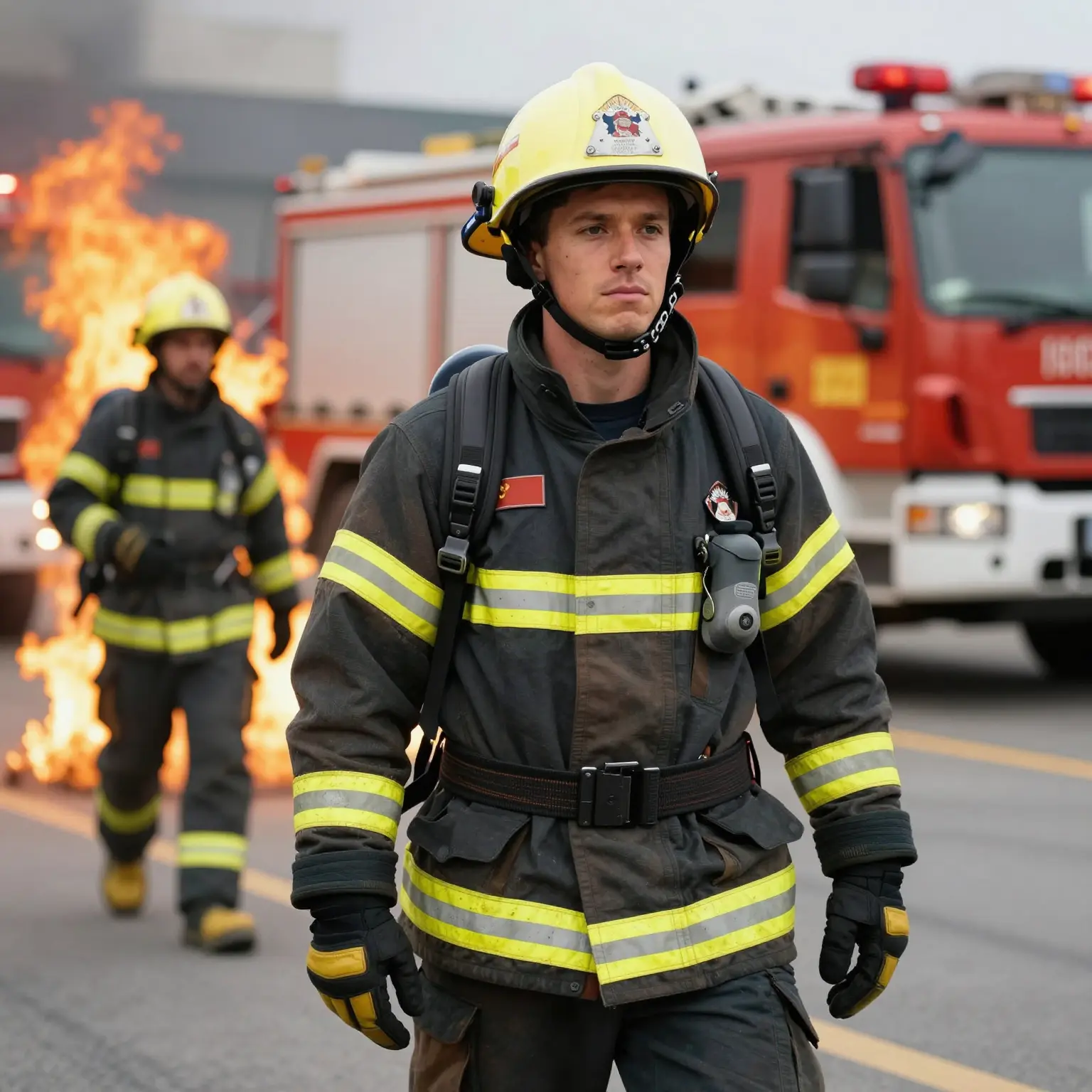
In the ever-evolving realm of firefighting, Fire Force Company 1 stands as a beacon of resilience and leadership. As the first line of defense in emergency situations, this esteemed unit not only plays a critical role in extinguishing blazes but also sets the standard for excellence in firefighting leadership. The Fire Force Company 1 Captain embodies this leadership, overseeing courageous firefighters who battle the raging flames and protect lives and property. For business owners, understanding the dynamics of such a leadership structure is integral to fostering a safer community and enhancing overall company management strategies.
Captains in Fire Force Company 1 are not just tactical leaders; they are also crucial in developing comprehensive safety and risk management protocols that can directly benefit local businesses. With their expertise, they help implement best practices in fire safety, ensuring that establishments adhere to regulatory requirements while also maximizing their preparedness against unforeseen emergencies. Learn more about fire department safety practices and how these can bolster your business’s resilience. Thus, exploring the role of a Fire Force Company 1 Captain provides insights that are essential for fostering a cooperative relationship between emergency services and the business community, ensuring that all stakeholders are well-equipped to respond effectively to the challenges that may arise during fire emergencies.
Overview of the Captain’s Role in Fire Force Company 1
Key Responsibilities of a Captain
In Fire Force Company 1, the captain plays a pivotal role that encompasses various responsibilities crucial to the success and safety of firefighting operations. Here are the key roles:
-
Leadership: The captain leads the firefighting crew, providing guidance and direction during emergencies. This involves making crucial tactical decisions and fostering a cohesive team environment.
-
Training and Development: The captain is responsible for the ongoing training and skill enhancement of firefighters. This ensures that each team member is adequately prepared to handle diverse firefighting scenarios.
-
Incident Command: During firefighting events, the captain assumes command, coordinating the team’s actions and managing available resources effectively.
-
Safety Management: A captain must prioritize the safety of crew members and the public by enforcing safety protocols and conducting thorough risk assessments.
-
Communication: The captain acts as a vital communication link between the firefighting team and higher management or other emergency services. Clear communication is essential for operational success and responding to emergencies effectively.
Importance to Business Owners
For business owners, understanding the dynamics of leadership within firefighting teams, such as that experienced in Fire Force Company 1, is invaluable. Here’s why:
- Team Cohesion: A strong leader drives teamwork and collaboration among crew members, which is critical in high-pressure situations common in firefighting. Business owners can learn from this to foster team spirit in their companies.
- Decision-Making Efficiency: In firefighting, rapid and effective decision-making can save lives. Business leaders should adopt similar approaches to cultivate quick thinking and adaptability in their teams, especially during crises.
- Training Investments: Just as fire service captains focus on continuous training, business owners should invest in employee development to enhance skills and ensure preparedness for challenges. Leadership in training ensures employees are properly equipped to make informed decisions.
- Crisis Management: Understanding incident command dynamics helps business owners develop systems for managing crises effectively, mirroring strategies from firefighting that can be applied in corporate environments.
By recognizing these leadership dynamics, business owners can better understand how to create resilient organizations that can navigate challenges effectively, much like the highly trained teams within firefighting companies. For more insights into how fire departments can contribute to business resilience, check out this article.
Effective leadership within firefighting units is vital, particularly for a Fire Force Company 1 Captain. A captain not only safeguards their team but also ensures operational success during emergencies. Here are some essential leadership qualities that define a proficient captain:
Decision-Making
Firstly, decision-making stands as one of the most critical qualities for a captain. In high-pressure situations, such as emergencies or fires, the captain must quickly evaluate the circumstances, weigh options, and make informed choices that could mean the difference between life and death. This often involves assessing risks, potential outcomes, and available resources swiftly. Effective captains rely on their training and experience but must also trust their instincts and judgment. Situational awareness is paramount; understanding the dynamics of the scene allows for timely and appropriate responses.
Communication Skills
Another vital trait of a Fire Force Company 1 Captain is exemplary communication skills. A captain must convey information clearly and concisely to ensure that all team members understand their roles and responsibilities during an incident. This includes both verbal communication on the scene and written communication for reporting and debriefing afterward. Moreover, an effective captain should foster an environment that encourages open dialogue, where team members feel comfortable sharing their observations and concerns. This collaborative communication can enhance team cohesion and ultimately lead to improved operational effectiveness.
Team Management
Successful management of the firefighting team is essential for a captain. This involves not only organizing and delegating tasks but also motivating and supporting crew members. A strong captain recognizes individual team members’ strengths and weaknesses, leveraging them appropriately to maximize overall performance. This includes providing mentorship and fostering professional growth, ensuring that all team members feel valued and invested in their roles. Building trust within the team can significantly enhance morale, leading to a more harmonious and efficient work environment.
Emotional Intelligence
Moreover, emotional intelligence is crucial for a captain. The ability to empathize with team members and understand their emotional states can help in managing stress and anxiety during critical situations. A captain who exhibits emotional intelligence can better support their team, making them feel secure and respected, which can elevate overall morale and resilience under pressure.
In conclusion, a Fire Force Company 1 Captain embodies a combination of decision-making prowess, effective communication, strong team management, and emotional intelligence. These qualities are indispensable for leading a firefighting unit to success, ensuring not only the safety and efficiency of operations but also fostering a supportive team environment. For additional insights on how leadership affects firefighting units, you can learn more about fire department funding and business resilience.
The collective strength and qualities of a captain lead to enhanced performance and safety in challenging circumstances. Being aware of these traits can greatly assist those in leadership positions within the firefighting arena, ensuring that they lead with confidence and competence.
By continually developing these leadership skills, a captain can navigate the complexities of their role, enhancing their team’s functionality and resilience in the face of crisis.
The Impact of Strong Leadership in Firefighting Teams
Leadership in firefighting is critical not just for operational success but for team cohesion and community safety. Studies have repeatedly shown that strong leadership correlates significantly with effective firefighting operations, employee satisfaction, and community trust. Here are some insights into the statistics and findings that highlight the effectiveness of robust leadership in the fire service, which could be invaluable for business owners.
Key Statistics and Insights:
-
Team Dynamics and Leadership Styles: Research from FireRescue1 emphasizes that democratic and transformational leadership styles promote teamwork and personal growth among firefighters. This approach allows team members to think independently and collaborate more effectively. Effective leaders who exhibit these styles are linked to higher morale and reduced turnover rates in departments. Read more about leadership styles.
-
Toxic Leadership Awareness: Studies conducted by the U.S. Fire Administration indicate that while firefighters are often aware of toxic leadership, effective team dynamics are essential for nurturing resilience in the community. Recognizing and avoiding toxic leadership is just as crucial as promoting positive leadership styles explore more on identifying toxic leadership.
-
Retention Rates as a Measure of Effectiveness: Ethical leadership and accountability are associated with high trust within the team. According to Firefighter Nation, tracking retention rates can serve as a performance indicator reflecting satisfaction with leadership and as a measure of procedural effectiveness in the department. The finding suggests that departments with transparent and trustworthy leadership not only retain employees but also perform better in emergency situations. Learn more about trust and accountability.
-
Community Resilience: Leadership effectiveness has wider implications too. A well-led fire department can significantly impact community safety outcomes and emergency preparedness. Studies suggest that leaders who prioritize training and development contribute positively to the overall trust between the fire service and the communities they serve.
In conclusion, robust leadership in firefighting is not merely about commanding teams; it involves enabling individuals, fostering trust, and enhancing community relationships. Business owners can apply these lessons by implementing strong leadership principles within their organizations-a strategy that can enhance operational efficiency and employee satisfaction while building solid community relationships.
| Rank | Responsibilities and Roles |
|---|---|
| Captain | – Leads the team of firefighters and acts as incident commander during emergencies. |
| – Ensures adherence to safety protocols and oversees operational effectiveness. | |
| – Manages training programs and developments for junior personnel. | |
| – Coordinates communication with upper management and delivers strategic planning for fire responses. | |
| – Provides mentorship to subordinate ranks and evaluates their performance. | |
| Lieutenant | – Assists the captain in command, oversees day-to-day operations. |
| – Directly manages firefighters during emergency responses. | |
| – Responsible for training and assessing crew performance. | |
| – Communicates operational updates and strategies to the captain. | |
| Firefighter | – Executes firefighting and rescue operations under the direction of officers. |
| – Participates in daily training activities and maintenance of equipment. | |
| – Operates fire apparatus and attends to emergency calls. | |
| – Reports information and status updates to their lieutenant or captain. |
Training and Development Paths for a Captain in Fire Force Company 1
Introduction
Training and development are pivotal for any leadership role, especially in high-stakes environments like firefighting. A captain in a fire force company is expected to not only lead their team effectively but also possess a thorough understanding of various firefighting techniques, incident management, and overarching safety protocols. This section outlines the essential training paths for captains, along with the significance of ongoing training in enhancing team performance.
Training and Development Paths
- Fire Academy Training
- Captains typically start their professional journey at a fire academy, where they receive foundational knowledge in firefighting tactics, equipment operation, and emergency response skills.
- Leadership and Management Training
- As future leaders, captains must undergo specialized management training which includes courses on leadership styles, team dynamics, conflict resolution, and decision-making in high-pressure circumstances. These skills are crucial in ensuring efficient team management.
- Incident Command Certification
- Captains must complete incident command courses (such as the National Incident Management Assistance Team (IMAT) courses) that prepare them to manage emergency incidents, ensuring safety and effectiveness on the scene.
- Specialized Drill Programs
- Participating in specialized drills focusing on various scenarios (e.g., high-rise rescue, hazardous materials incidents, and wildfire management) enables captains to refine their tactical skills and sharpen their situational awareness.
- Mentorship Programs
- Engaging in mentorship programs allows captains to gain insights from experienced leaders and share best practices. This informal training is invaluable for personal and professional growth.
- Ongoing Skills Refresher Courses
- Continuous education cannot be overlooked. Captains should regularly attend refresher courses and advanced training to stay updated with evolving firefighting technologies and techniques.
The Impact of Ongoing Training on Team Performance
Ongoing training plays a crucial role in enhancing team performance across fire departments. According to the National Fire Protection Association (NFPA), continuous training ensures firefighters remain competent and proficient with up-to-date techniques, vital equipment, and operational protocols, thereby reinforcing safety and efficiency in emergencies. Here are some key impacts documented:
-
Improved Cohesion and Communication
-
Regular training fosters teamwork and trust among team members. Firefighters become more familiar with each other’s actions and roles, leading to better coordination and communication during emergencies.
-
Enhanced Decision-Making Skills
-
Continuous training equips team members with the skills necessary to make swift and informed decisions during critical situations, reducing operational errors.
-
High Morale and Readiness
-
Training not only sharpens technical skills but also boosts morale. Teams that participate in regular drills report higher levels of confidence and preparedness, which are essential for maintaining smooth operations during crises.
-
Accident and Injury Reduction
-
Ongoing development ultimately contributes to fewer accidents and injuries. Fire departments that prioritize training see a significant decline in operational errors and an increase in successful rescue outcomes.
The benefits of investing in ongoing training are clear. Not only does it enhance the skills of the captain and the entire fire department team, but it also translates into improved service to the community and a strong foundation for a resilient firefighting organization.
For more insights into how continuous training can aid your firefighting team, learn more about the importance of training in fire departments.
In conclusion, training and development paths for captains in Fire Force Company 1 are vital not only for personal growth but also for improving team effectiveness and performance. As business owners or public safety officials, investing in ongoing training should be a priority to foster a knowledgeable and efficient firefighting team.
Infographics About Firefighter Training
Firefighter training is a rigorous process essential for ensuring the safety and effectiveness of fire service personnel. Here are some valuable insights from notable infographics and training resources that particularly focus on the training process relevant for the captain position in firefighting:
- Training Overview
- Firefighters typically undergo at least 600 hours of training to achieve Firefighter I and II certifications. This foundation includes both theoretical instruction and practical field exercises.
- Captains must be well-versed in training protocols to lead and mentor their team effectively.
- Key Training Topics
- According to Lexipol, essential topics include:
- Fire behavior and building construction
- Rescue operations and casualty management
- Incident command systems
- Hazardous materials operations
- Health and safety regulations
- These topics are crucial for captains to develop strategies that enhance team performance and safety on the field.
- Educational Resources
- Platforms such as the Fire Equipment Manufacturing Association provide free downloadable infographics that are educational and user-friendly. These resources facilitate knowledge sharing among departments and enhance training sessions.
- Furthermore, Public Safety Group offers various materials tailored for ongoing firefighter education, helping captains stay updated with contemporary training standards and safety practices.
Captains play a pivotal role in implementing and overseeing these training processes, ensuring that their team is prepared for the challenges of firefighting. Ongoing education and adherence to safety protocols are essential for operational effectiveness and the protection of both firefighters and the communities they serve.
Motivational Quotes About Leadership in Firefighting
Here are some powerful quotes related to leadership in firefighting that resonate with the spirit and challenges of your team:
-
“The best way to find yourself is to lose yourself in the service of others.” – Mahatma Gandhi
-
This quote reflects the essence of firefighting leadership, focusing on service to the community.
-
“Courage is not the absence of fear, but the triumph over it.” – Nelson Mandela
-
A reminder that true leadership involves facing fear and guiding others through it.
-
“If your actions inspire others to dream more, learn more, do more and become more, you are a leader.” – John Quincy Adams
-
This illustrates the transformative power of a leader in any field, including firefighting.
Inspirational Quotes for Business Owners
Being a business owner requires strong leadership. Here are some quotes that can inspire you:
-
“The art of leadership is saying no, not saying yes. It is very easy to say yes.” – Tony Blair
This quote emphasizes the importance of decisiveness in leadership, especially in business. -
“A leader is one who knows the way, goes the way, and shows the way.” – John C. Maxwell
Maxwell’s quote highlights the role of a leader in guiding their team and setting a strong example. -
“To handle yourself, use your head; to handle others, use your heart.” – Eleanor Roosevelt
This quote speaks to the importance of emotional intelligence in leadership, which is crucial for business owners. -
“The function of leadership is to produce more leaders, not more followers.” – Ralph Nader
This highlights the goal of a good leader: to empower their team and cultivate future leaders.
These quotes not only motivate but also remind leaders in firefighting and business of their vital role in inspiring and guiding others.
For more insights into strengthening your leadership in firefighting, you can learn more about funding and resilience related to your industry.
Conclusion
The role of a competent captain in Fire Force Company 1 cannot be overstated, as it directly influences the overall performance and safety of the organization. A captain serves not only as a tactical leader during emergencies but also as a driving force behind the continuous improvement of safety protocols and team morale. Their ability to make prompt, informed decisions can mean the difference between life and death during critical incidents.
Leadership in a safety-oriented organization, particularly in the fire service, establishes a culture of safety that permeates the entire team. Effective captains prioritize training and development, ensuring their crew is well-versed in safety protocols and emergency response procedures. By fostering a proactive approach to safety, they encourage open communication, allowing team members to voice concerns or suggestions, which further enhances the organization’s risk management efforts.
Moreover, mentoring is an essential aspect of strong leadership. Experienced captains provide guidance and wisdom to new firefighters, instilling best practices and reinforcing the importance of safety. This mentorship not only increases the efficiency of operations but also builds a cohesive team that is better prepared to handle the challenges they may face.
For business owners managing safety-oriented organizations, the lessons drawn from the leadership practices in Fire Force Company 1 highlight the vital need for strong leaders. A competent captain can elevate an organization’s performance and ensure the safety of its team and the public. Investing in effective leadership development within any business context is crucial, not only for compliance with safety regulations but also for cultivating a resilient and responsive workforce. Learn more about business safety to understand how strong leadership can transform your operations and safety standards.
Contact Zoomlion for Expert Fire Support
In the world of business, ensuring safety and compliance should always be a top priority. Fire incidents can lead to severe consequences, not just in terms of financial loss but also in terms of lives at stake. That’s where having the right fire support system in place becomes crucial.
By contacting Zoomlion, you can gain access to expert fire support tailored to your specific business needs. Zoomlion offers a range of advanced firefighting equipment and support services that can help protect your employees and assets effectively.
Why Choose Zoomlion?
- Rapid Emergency Response: Speed is critical in emergencies. Zoomlion ensures your business has the resources it needs to tackle fire incidents quickly.
- Compliance and Safety: With increasing regulations around fire safety, having a reliable partner like Zoomlion can help you stay compliant and avoid costly penalties.
- Loss Prevention: By collaborating with Zoomlion, you can significantly reduce the risk of extensive damage, ensuring your business can recover faster and maintain operations.
Don’t wait for a fire emergency to address your safety needs. Contact Zoomlion today for quotes and to learn how their fire support services can be integrated into your business strategy. Ensure your peace of mind, knowing you have robust fire protection in place!