
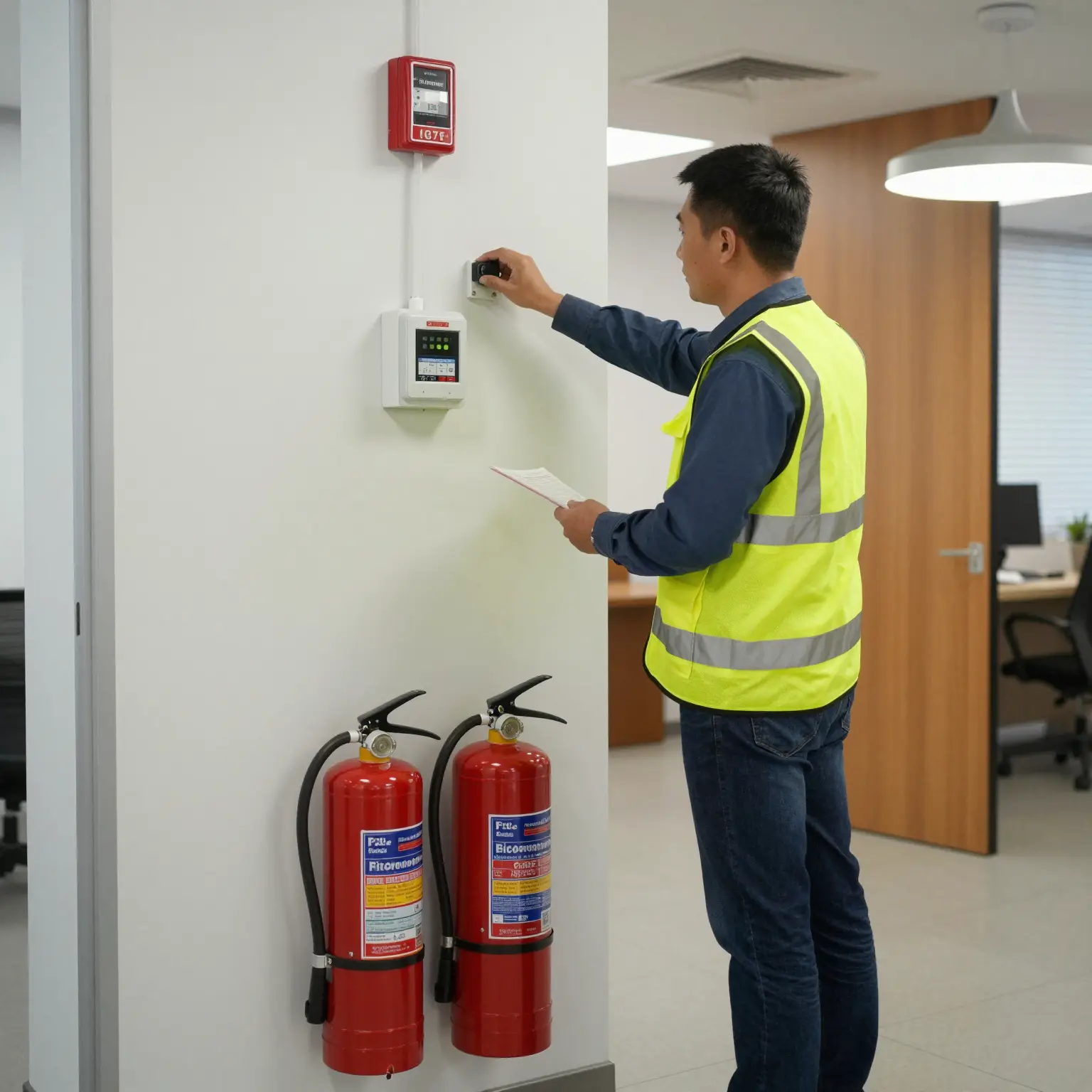
The Crucial Role of Fire Maintenance for Business Owners
For business owners, the importance of fire maintenance cannot be overstated. Fire maintenance refers to the systematic practices encompassing prevention, inspection, testing, and servicing of fire protection systems, ensuring their optimal functionality when they are needed most. This includes everything from fire alarms and sprinkler systems to fire extinguishers and emergency exit signage. In an uncertain world where fires can devastate a business in minutes, proactive fire maintenance serves as both a shield and a lifeline, safeguarding not just property but more importantly, lives.
A meticulous approach to fire maintenance enables businesses to comply with fire safety regulations, which can vary significantly across regions. Non-compliance can lead to severe penalties, potential loss of business licenses, and legal repercussions. Business owners must understand the critical role that regulatory compliance plays in their operational viability and public image. Engaging qualified fire maintenance services ensures that systems are not just installed but routinely tested and updated, creating a compliant and safe environment.
Additionally, proper fire maintenance fosters a culture of safety within the workplace, elevating the awareness of fire hazards among employees and developing a collective responsibility towards fire safety. Regular drills and training sessions can greatly reduce panic and confusion in the event of an emergency, making your employees less likely to become casualties in a chaotic situation. By embedding these practices into the company culture, business owners reinforce their commitment to their staff’s well-being, further strengthening workplace morale and trust.
Furthermore, neglecting fire maintenance can lead to significant financial losses, not just from property damage but also from halted operations and tarnished reputation. Statistics show that businesses that experience severe fire damage are less likely to recover, with over 30% never reopening. To learn about how fire departments contribute to your business’s safety, read more here.
In conclusion, fire maintenance is a fundamental aspect of risk management for business owners. It encompasses both preventative measures and regulatory compliance, reinforcing business integrity while prioritizing the safety of assets and lives alike. It’s not merely a legal requirement; it’s a commitment to uphold the standards of safety that your employees and customers expect and deserve. As you look towards securing your business against the unforeseen, consider investing in quality fire maintenance solutions today – it’s a decision that could save lives and facilitate business continuity.
Key Fire Maintenance Services Offered by Our Company
Fire maintenance is critical for ensuring the safety of your business. Regular and effective services can help prevent fire-related incidents and maintain compliance with safety regulations. Below is a concise list of key fire maintenance services offered by our company:
- Fire Alarm Systems: Installation and maintenance of systems that detect smoke and heat to alert occupants.
- Fire Sprinkler Systems: Design and installation of automated systems to suppress flames during a fire.
- Fire Extinguisher Services: Providing portable fire extinguishers, including sales, servicing, and inspections.
- Emergency Lighting Systems: Installation and upkeep of lighting that aids in safe evacuations during emergencies.
- Fire Safety Training: Training programs for employees on fire protocols, including usage of fire equipment.
- Inspection and Compliance Services: Regular checks of fire safety equipment to ensure adherence to local laws and regulations.
- Emergency Planning and Risk Assessments: Development of fire safety plans and identifying potential hazards.
Regular fire maintenance services not only protect your business assets but also ensure the safety of your employees and customers. Learn more about fire safety and how effective planning can reduce risks.

As a business owner, understanding and complying with fire safety regulations is not just a legal requirement; it is crucial for ensuring the safety of your employees, customers, and property. Regulations related to fire maintenance can vary significantly across local, state, and federal levels. Here’s a detailed look into the legal requirements that govern fire maintenance, inspections, and compliance in your business operations.
Federal Regulations
At the federal level, the two primary bodies governing fire safety are the Occupational Safety and Health Administration (OSHA) and the National Fire Protection Association (NFPA):
-
OSHA: OSHA’s regulations are designed to ensure workplace safety and health. This includes standards for fire safety, which mandate that employees receive training on fire hazards, potential emergencies, and proper evacuation procedures. Specific OSHA regulations, such as 29 CFR 1910.38 (Emergency Action Plans) and 29 CFR 1910.157 (Portable Fire Extinguishers), outline requirements for fire safety equipment and training.
-
NFPA: The NFPA develops and publishes codes and standards to mitigate fire risks. Some of the most relevant codes include:
-
NFPA 101 (Life Safety Code): Establishes minimum criteria for the design, construction, operation, and maintenance of buildings to ensure safety.
-
NFPA 25 (Standard for the Inspection, Testing, and Maintenance of Water-Based Fire Protection Systems): Requires regular inspections and maintenance of systems such as sprinklers and standpipes to ensure they function correctly in the event of a fire.
Understanding these codes is essential for compliance and can mitigate legal risks associated with fire incidents.
State Regulations
Every state has its own set of regulations, often enforced by the state fire marshal or fire department. These regulations may include:
- Fire inspections: Many states require regular inspections of commercial buildings to ensure all fire safety codes and regulations are being met.
- Licensing: Some states mandate specific licensing for fire alarm installers and service providers, ensuring that personnel are trained and certified in fire safety protocols.
- Adoption of NFPA codes: States often adopt NFPA codes, though they may have specific amendments or additional regulations based on local needs and hazards.
For instance, in California, businesses are required to comply with the California Fire Code, which outlines additional provisions beyond NFPA standards.
Local Regulations
Local jurisdictions (cities or counties) may establish fire codes that are stricter than state or federal regulations. Local fire departments typically enforce these rules and conduct inspections. Key local requirements may include:
- Fire drills: Many localities require periodic fire drills to ensure staff knows the evacuation procedure.
- Equipment compliance: Local laws may specify the types and placements of fire extinguishers, alarm systems, and emergency lighting.
- Building codes: Fire safety compliance may be intertwined with local building codes, which dictate safety features, exits, and access for emergency responders.
Compliance and Inspection Protocols
Regular inspections are essential for compliance with all levels of fire safety regulations. Business owners are generally responsible for:
- Conducting regular fire safety inspections: This involves checking fire extinguishers, fire alarms, sprinkler systems, and emergency exits periodically.
- Maintaining inspection logs: Businesses must maintain thorough documentation of all inspections, tests, and maintenance performed on fire safety equipment as proof of compliance.
- Training employees: Compliance includes ensuring that employees are trained to handle fire emergencies, including using fire safety equipment and following evacuation protocols.
Neglecting these responsibilities can result in significant penalties, including fines, increased insurance rates, or even business closure until compliance is achieved.
Conclusion
For business owners, understanding and complying with fire maintenance regulations is critical not just for legal adherence, but for the safety of everyone in the establishment. It is advisable to consult with local fire departments or certified fire maintenance companies to ensure that your business meets all relevant fire safety requirements. Organizations like the National Fire Protection Association (NFPA) and OSHA are excellent resources for up-to-date guidelines and standards.
Keeping abreast of fire safety regulations can help prevent tragedies and potentially save lives, making it an indispensable aspect of your business operations.
Fire Maintenance Service Packages Comparison
Choosing the right fire maintenance service package is crucial for business owners to ensure safety and compliance. Here is a comparison of typical features found in fire maintenance service packages, effective pricing strategies, and service frequencies:
| Package Name | Features | Pricing | Frequency of Service |
|---|---|---|---|
| Basic Protection | – Annual inspections – Basic fire extinguisher checks |
$200/year | Annually |
| Standard Coverage | – Everything in Basic – Monthly checks – Minor repairs included |
$800/year | Monthly |
| Comprehensive Plan | – Everything in Standard – 24/7 support – Full fire safety audit |
$1,500/year | Bi-Monthly |
Key Considerations:
- Feature Set: Assess what features meet your business needs and compliance with safety regulations.
- Pricing: Evaluate the long-term value against your budget; cheaper isn’t always better.
- Service Frequency: Understand how often your systems will be checked to maintain safety and prioritize operational reliability.
By comparing service packages effectively, you can determine the best fit for your business’s fire safety needs. For further reading on fire service strategies, you can learn more about specific fire department services.
The Importance of Regular Fire Maintenance for Businesses
Maintaining effective fire safety systems is essential for any business. Regular fire maintenance not only ensures compliance with legal regulations but also substantially reduces fire-related risks, ultimately saving costs in both the short and long term. Below, we delve into several key benefits of implementing a robust fire maintenance schedule backed by substantial evidence and insights.
Reducing Fire Incidents and Associated Costs
Based on data from the National Fire Protection Association (NFPA), fires cause extensive property damage, injuries, and fatalities on a national scale. In recent years, thousands of commercial fires have been reported, leading to financial loss and disruption of services. For instance, industries experiencing frequent fire incidents often see a direct correlation between inadequate fire maintenance and the likelihood of fire outbreaks.
-
Financial Impact: The costs associated with fire incidents, which include emergency responses, recovery, and potential business closures, can run into millions annually. Investing in routine maintenance can mitigate these risks, ensuring business continuity and protection against fire hazards.
-
Compliance and Legal Safety: Regular inspections and maintenance of fire systems like alarms and sprinklers ensure compliance with local regulations and national safety standards. Failure to comply can lead to hefty fines and increased scrutiny from insurance companies.
Enhancing Safety and Protecting Lives
Regular fire maintenance is vital for enhancing safety protocols within any business setting. Ensuring that fire alarms, extinguishers, and sprinkler systems are in optimal working condition can drastically lower the risks to employees and customers.
- Statistics on Fire Safety: The NFPA highlights that effective fire prevention measures lead to a decrease in fire-related injuries and fatalities. With maintenance, businesses can not only comply with safety laws but also foster a safe working environment that protects their assets and employees.
Insurance Benefits
Inadequate fire safety measures can lead to increased insurance premiums or denial of coverage altogether. By demonstrating a commitment to regular fire maintenance, businesses can realize several benefits:
-
Lower Premiums: Insurers often provide discounts to businesses that maintain up-to-date fire preventive measures. Regular maintenance can be viewed favorably, potentially leading to significant savings on insurance costs. Reports suggest that businesses investing in fire safety may see as much as a 5-10% reduction in their premiums.
-
Fewer Claims: With fewer incidents of fire due to proper maintenance, businesses will face fewer claims on their insurance, further solidifying their relationship with insurers.
Conclusion
In conclusion, regular fire maintenance is not just about legal compliance but is a proactive approach to minimizing risks, protecting lives, and safeguarding financial investments. By adopting routine checks of fire safety systems, businesses can significantly enhance their safety profile and enjoy reductions in insurance premiums. For more information on fire maintenance and effective safety protocols, check out our guide on the financial benefits of fire department funding and business resilience.
Considering the prominent role of fire safety in business operations, investing in a reliable fire maintenance company can mean the difference between safety and catastrophe. Therefore, business owners should prioritize regular maintenance schedules as a part of their operational strategy.
Fire Incident Statistics: A Decadal Overview
Fire incidents have shown a variety of trends over the past decade. This chart visually emphasizes the critical need for proper fire maintenance and proactive measures in protecting businesses from potential fire hazards.
Total Incidents Over the Last Decade
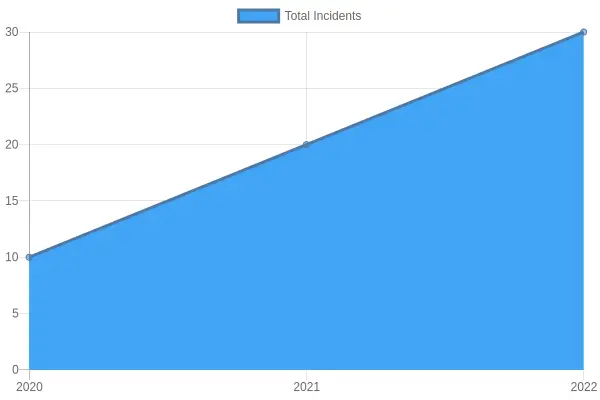
The data illustrates the importance of understanding fire trends and the necessity for business owners to prioritize fire safety measures. With increasing incidents, the value of investment in fire safety becomes clear. Business owners are encouraged to educate themselves about effective fire maintenance strategies and to consult professional fire maintenance companies for comprehensive solutions.
For further insights into the evolution of fire trucks and their importance in modern fire safety, please learn more about fire truck dealers. Additionally, understanding fire rescue truck equipment can enhance your preparedness strategy; explore fire rescue truck equipment lists here.
Conclusion
Effective fire maintenance is not just essential; it is a critical investment for businesses of all sizes. This article has explored the vital components of fire safety, highlighting the importance of regular inspections, adherence to legal regulations, and the protective role fire maintenance plays in safeguarding your business assets and employees. With statistics revealing that property damages from office and store fires amount to approximately $932 million annually, the imperative for businesses to engage in proactive fire safety measures has never been clearer.
Consider the fact that only 19% of office fires occur on weekends but disproportionately account for 31% of the total annual property damage costs. This underlines the reality that fire hazards can emerge at any time, necessitating constant vigilance and professional management.
Moreover, by investing in fire maintenance, businesses not only comply with legal and insurance requirements but also significantly reduce the risks of liabilities, ensuring that they can continue operations without disruptions. As a business owner, protecting your employees and customers should always be a top priority. Fire maintenance provides that security, helping you to create a safe environment for everyone involved.
At Zoomlion, we specialize in comprehensive fire maintenance services tailored to the unique needs of your business. Our team understands the nuances of fire safety regulations and the importance of reliable fire protection systems. If you’re ready to prioritize safety and ensure that your fire systems are up to date and functioning optimally, contact Zoomlion today. Let us help you safeguard your business and contribute to a safer community.
To highlight the importance of fire maintenance in protecting businesses, here’s a relevant quote from an industry expert on the significance of fire safety:
“Regular fire safety maintenance is essential, as it directly impacts the lives of employees and customers. Ensuring that fire suppression systems and alarms are always in good working order can significantly reduce the likelihood of fire-related incidents.” – Fire Safety Expert
This quote underscores the critical role that ongoing fire maintenance plays in business safety and operational integrity.
Additionally, for more insights into the importance of fire departments and related topics, you may want to learn more about how fire departments protect your business or explore the financial benefits of fire department consolidation.
Frequently Asked Questions about Fire Maintenance
1. Why is fire maintenance necessary for my business?
Fire maintenance is crucial for protecting your property, employees, and customers from the devastating effects of fire. Regular maintenance ensures that fire safety equipment, such as alarms and extinguishers, functions properly when needed. Compliance with fire codes and regulations also protects your business from potential legal liabilities and fines.
2. How often should fire maintenance be performed?
The frequency of fire maintenance tasks depends on several factors, including local regulations, type of equipment, and the nature of your business. Generally, the following guidelines apply:
- Annual inspections: Most fire safety equipment should be inspected at least once a year.
- Monthly checks: Fire alarms and extinguishers should undergo monthly checks for functionality.
- After any incident: Equipment should be assessed immediately following any fire-related incident.
For businesses in high-risk industries (e.g., manufacturing, hospitality), more frequent maintenance may be advisable.
3. What are the costs associated with fire maintenance?
Costs for fire maintenance can vary widely based on several factors:
- Type of service: Basic inspections can start around $100-$200, while comprehensive maintenance for integrated systems may range from $500 to $2000+ annually.
- Size and complexity of the property: Larger facilities will naturally incur higher costs due to the volume of equipment needing maintenance.
- Local rates: Fire maintenance costs can vary significantly based on geographical location and the specific service provider.
Many fire safety service providers also offer maintenance contracts that may help reduce overall investment costs, typically costing between $300 to $1500 annually depending on the level of service.
4. What should I check during a fire maintenance inspection?
During a fire maintenance inspection, you should verify that:
- Fire alarms are functioning correctly and tested.
- Fire extinguishers are easily accessible and charged.
- Emergency lighting is operational.
- Smoke detectors are tested and batteries replaced if they are not hardwired.
- Exit routes are clear and emergency exit lights are working.
5. What happens if I neglect fire maintenance?
Neglecting fire maintenance can have severe consequences:
- Increased risk of fire incidents: Unmaintained equipment may fail in emergencies, putting lives at risk.
- Legal repercussions: Businesses can face fines for non-compliance with fire safety regulations.
- Higher insurance costs: Insurance companies may raise premiums or deny claims resulting from lax maintenance practices.
6. How can I find a reliable fire maintenance company?
To find a reliable fire maintenance company, consider:
- Experience and reputation: Look for companies with a solid history in the industry and positive reviews.
- Certifications: Ensure the company is certified and licensed to provide fire safety services in your jurisdiction.
- Insurance: Verify that the provider carries appropriate liability insurance and offers guarantees for their services.
For detailed insights and further assistance on fire safety gear for your business, learn more about fire-related equipment.
Maintaining fire safety is a critical investment in the longevity and safety of your business. Regular fire maintenance not only protects your premises but also instills confidence among employees and clients alike.